Organization: Dept. of ENT, Kanyakumari Govt. Medical College
Title: From Communities to Classrooms: Integrated Childhood Hearing Care Initiative – Kanyakumari
Al title (for format and translation – not permanent:
From communities to classrooms: Integrated Childhood Hearing Care Initiative – Kanyakumari
Description:
World Hearing Day 2026
World Hearing Day 2026 will be observed by the Department of Otorhinolaryngology (ENT), Kanyakumari Government Medical College Hospital, in alignment with the global theme “From communities to classrooms: hearing care for all children.” The event aims to strengthen childhood hearing care by integrating prevention, early identification, and referral services into existing school and community health platforms.
Childhood hearing loss remains a significant public health concern, with a large proportion being preventable or amenable to early intervention. Schools and community settings provide effective entry points for reaching children, parents, teachers, and frontline health workers. This initiative focuses on translating WHO advocacy into measurable action at the district level.
The core activity of the event will be school- and Anganwadi-based ear and hearing screening for children aged 3–19 years. Screening will be conducted using otoscopy and basic hearing screening tools by trained ENT and audiology teams. Children identified with suspected ear disease or hearing loss will be referred through established pathways to Kanyakumari Government Medical College Hospital for further evaluation and treatment.
To support prevention and early identification, awareness and advocacy sessions will be conducted for parents, teachers, and school health personnel. These sessions will use WHO educational and promotional materials, adapted to the local language and context, and will focus on recognizing early signs of hearing loss, preventing ear infections, safe listening practices, and the importance of timely care.
Capacity-building activities will be organized for frontline health workers, including VHN, SHN, Anganwadi workers, school health nurses, and members of the School Health Programme (RBSK). Training will emphasize early identification, basic ear care, counselling, and referral mechanisms, thereby strengthening the continuum of care from the community to tertiary services.
World Hearing Day 2026 will also be marked by an institutional advocacy event on or around 3 March 2026, with participation from health authorities, education sector representatives, and public health officials. Traditional and social media outreach will be used to amplify key messages and promote public awareness.
The Department of ENT, Kanyakumari Government Medical College Hospital, is an established cochlear implantation centre for children with congenital hearing loss, having completed 85 pediatric cochlear implant surgeries under the Chief Minister’s Comprehensive Health Insurance Scheme (CMCHIS). This enables a comprehensive pathway from community-based screening to definitive intervention, ensuring equitable access to hearing care for underserved children.
All activities will be conducted in collaboration with national and state health programmes, including the National Programme for Prevention and Control of Deafness (NPPCD), School Health Programme (RBSK), Integrated Child Development Services (ICDS), and the National Health Mission (NHM). Measurable outcomes, including the number of children screened, referrals made, and awareness activities conducted, will be documented and reported using WHO tracer indicators.
Through this integrated, scalable approach, the event seeks to advance hearing care for all children in the region, improve early detection and intervention, and contribute to sustainable school- and community-based hearing care systems in line with WHO priorities.
Primary site: SEAR- India
Region: SEAR
General Photos
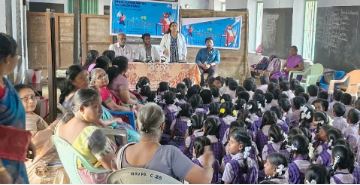
WHD awareness & screening at outreach programme @ school
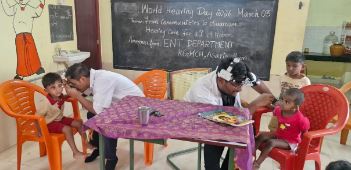
outreach camp at an anganwadi centre
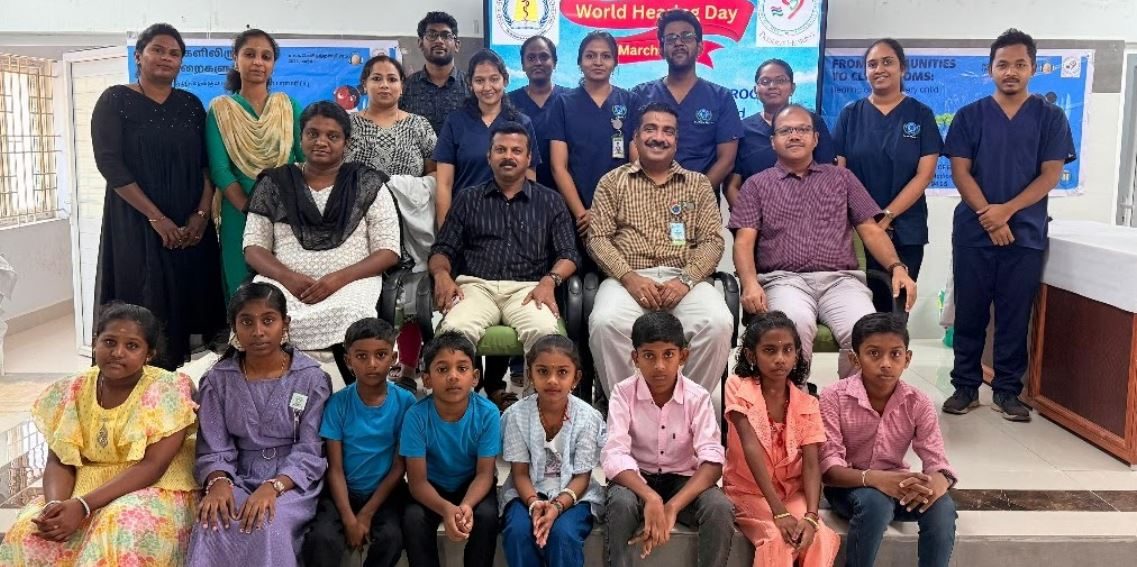
Team ENT with Post CI kids
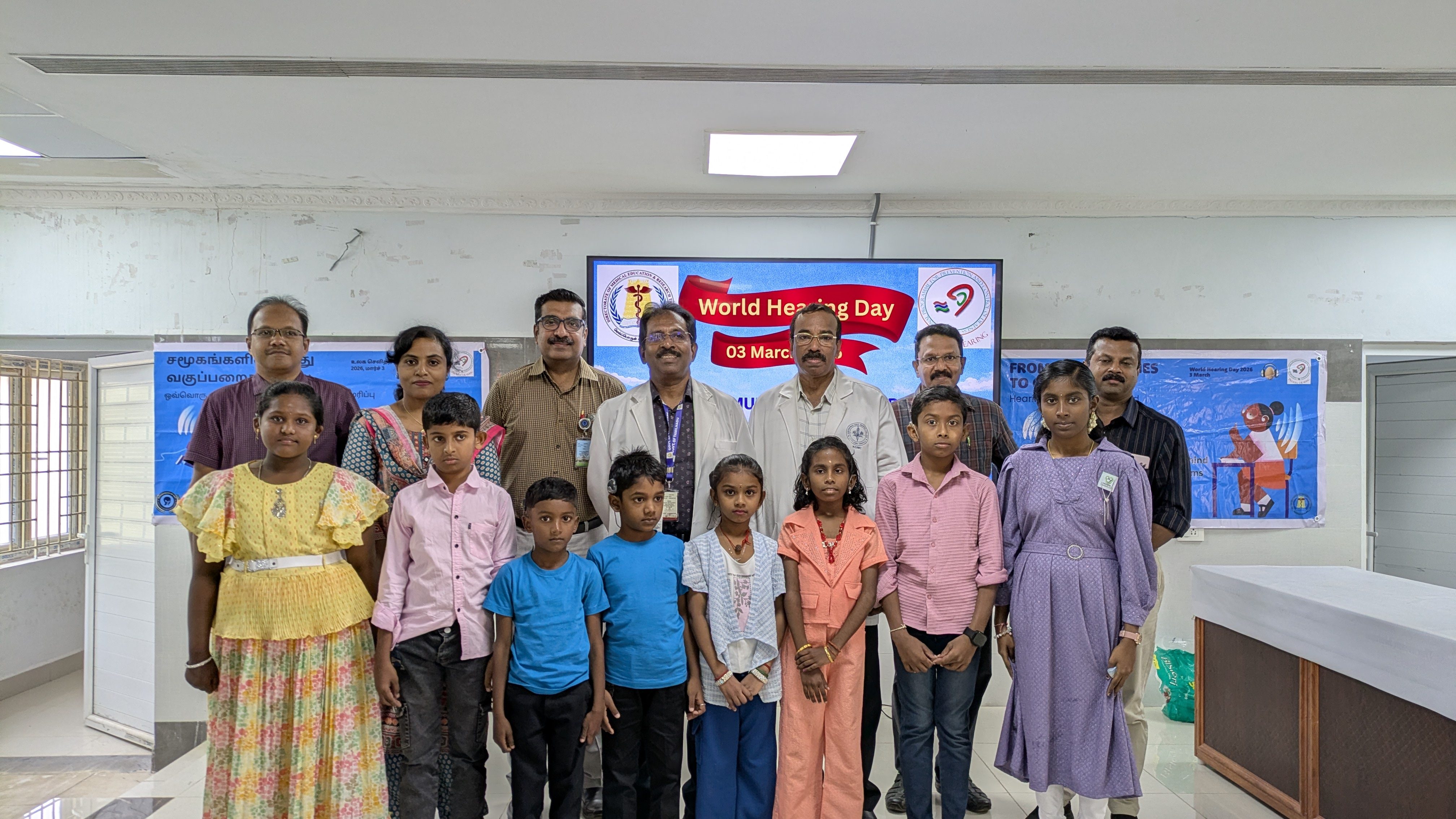
Administrators with CI kids on WHD 2026
Types of Engagement:
Live event: Yes
Screening: Yes
Traditional media: Yes
Social media: Yes
Special needs populations: persons with disabilities (including hearing loss), children and adolescents, rural or remote population, Children with congenital or early-onset hearing loss from socio-economically disadvantaged families, including beneficiaries under public health insurance schemes.
Met with individual policymaker: Yes
Participation of policy makers: Yes
Participation of influencers: Yes
WHO technical tool used: Yes
WHO educational and social media used: No