Organization: MAICO Diagnostics GmbH
Title: Live Webinar: How to Improve Ear Diagnosis in Children
Al title (for format and translation – not permanent:
Live webinar: How to improve ear diagnosis in children
Description:
Live Webinar: How to Improve Ear Diagnosis in Children
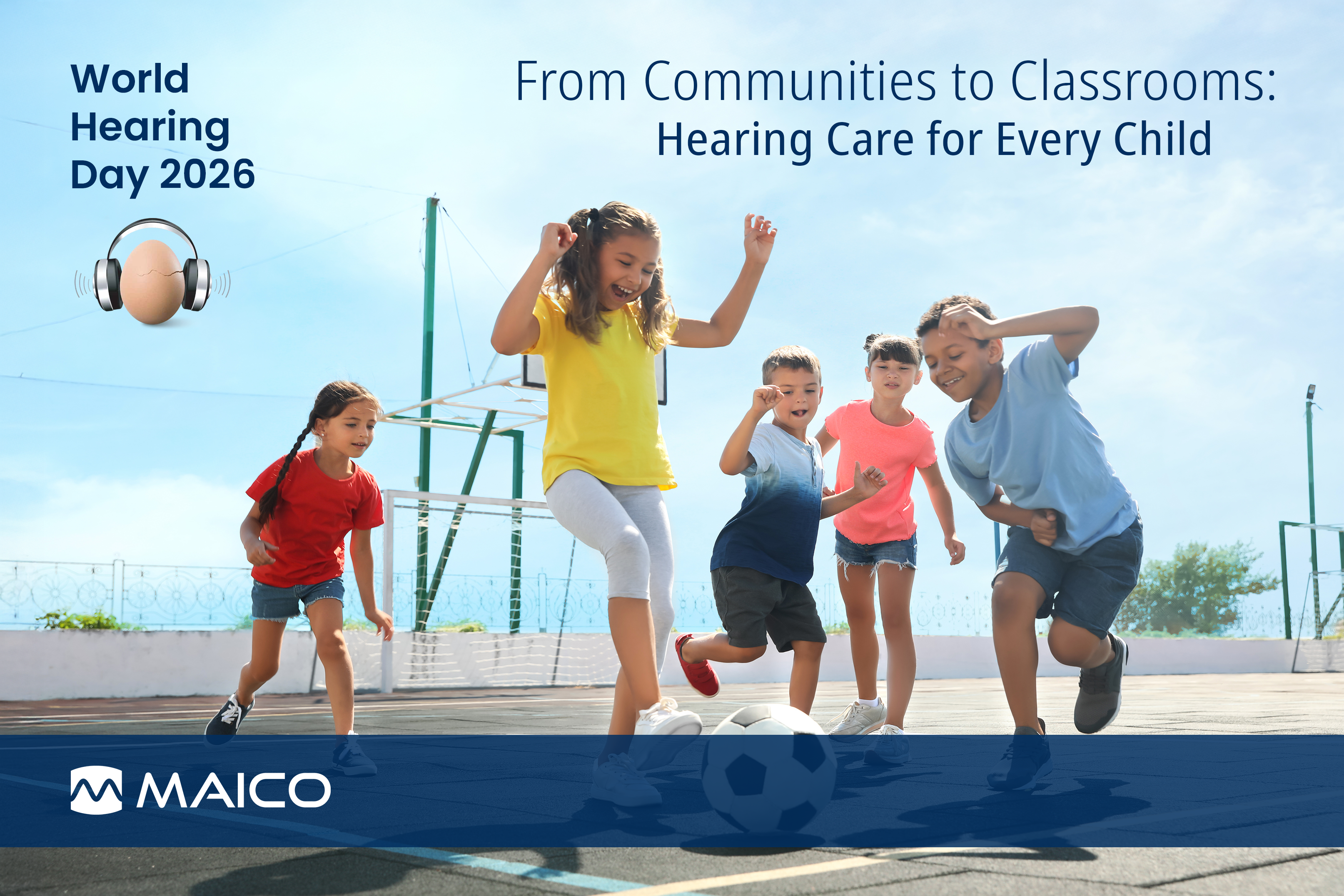
In recognition of World Hearing Day, MAICO Diagnostics and Diatecs are pleased to present an online webinar focused on improving pediatric ear diagnosis and care.
The webinar provides practical, evidence-based insights into the role of tympanometry in pediatric practice, supporting accurate middle ear assessment and confident clinical decision-making. It highlights how a one-minute tympanogram can confirm middle ear status in children with otalgia or fever, helping to reduce the misdiagnosis of acute otitis media.
The session also addresses the importance of identifying persistent otitis media with effusion (OME), a condition associated with an average 28 dB hearing loss and an increased risk of speech and language delays. Accurate middle ear assessment is essential for healthy child development. In addition, the webinar explores how tympanometry supports evidence-based treatment decisions, promotes responsible antibiotic use, and adds practical value in U.S. pediatric practices, including reimbursement considerations.
Speakers
Dr. Jeffery LaCour, ENT Physician and Founder of Compassio Medical Education, will discuss how objective middle ear measurements support confident diagnosis and optimized treatment decisions.
Dr. Gabrielle Merchant, Au.D., Ph.D., Director of the TAPP Laboratory at Boys Town National Research Hospital, will present evidence-based findings on the clinical and developmental impact of misdiagnosis and untreated hearing loss in children.
Primary site: AMR – United States of America
Region: AMR
Secondary sites:Switzerland, Japan, Turkey, France, Germany, Argentina, Nigeria.
General Photos

Types of Engagement:
Live event: Yes
Screening: Yes
Traditional media: Yes
Social media: Yes
Special needs populations: children and adolescents
Met with individual policymaker: No
Participation of policy makers: Yes
Participation of influencers: Yes
WHO technical tool used: No
WHO educational and social media used: