Organization: Pakistan Institute of Rehabilitation Sciences
Title: Little Ears – Need Care – Everywhere !
Al title (for format and translation – not permanent:
Little ears – need care – everywhere!
Description:
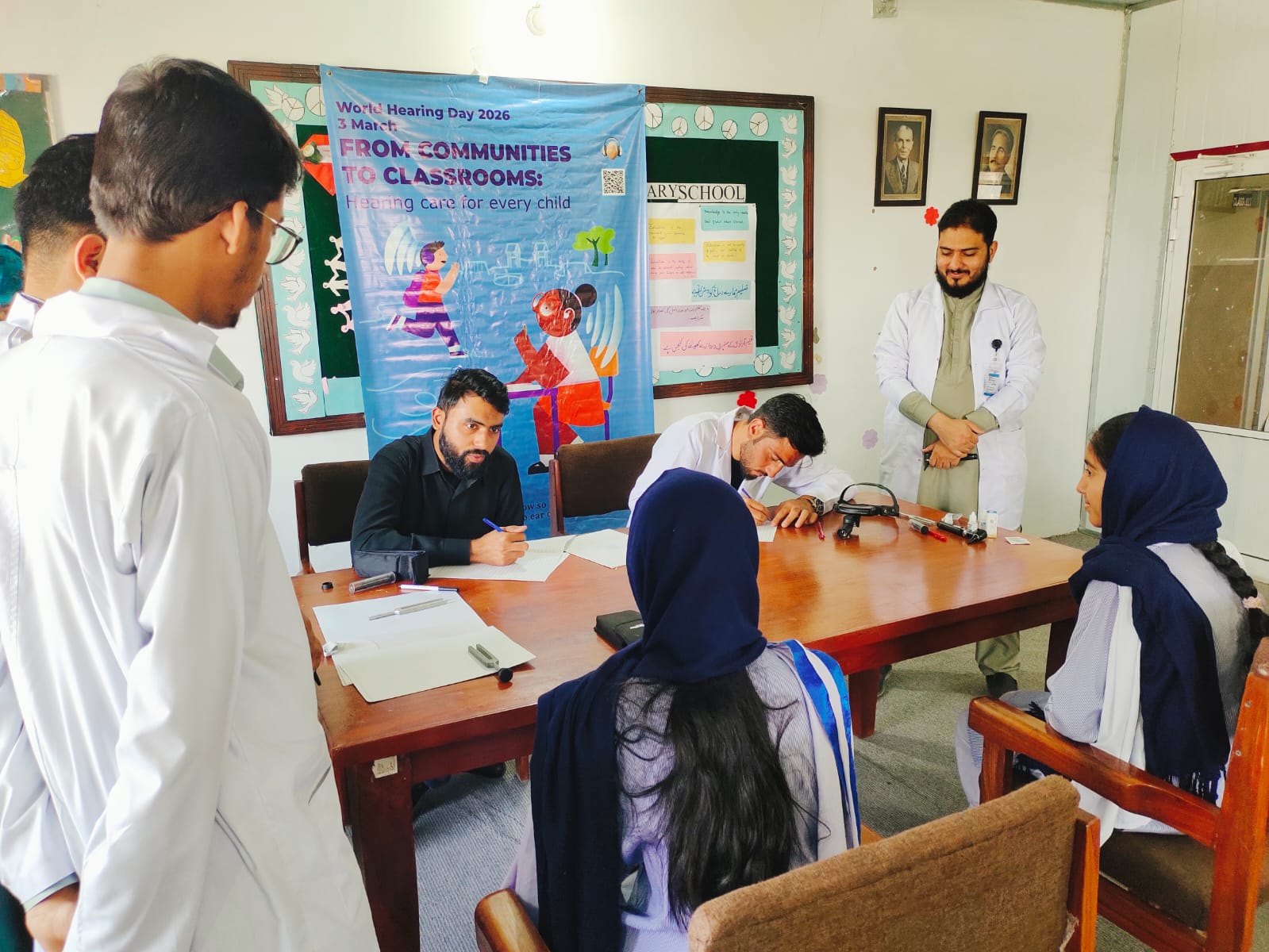
An open house activity is planned in a local, peri-urban secondary school with 220-230 students, age 4-18 years, 15 teaching and non teaching staff. This activity will start with a brief 20-30 minutes ear and hearing health education session with school children, their parents and community members. Qualified audiologist and public health specialist will educate them about the importance of hearing, early detection and timely medical advice.
This will be followed by drawing competition for children, story telling session where they can share their own or others story related to hearing health, deafness, sign language etc. Children will play around, role play, or just enjoy the sun along with their parents, teachers and others.
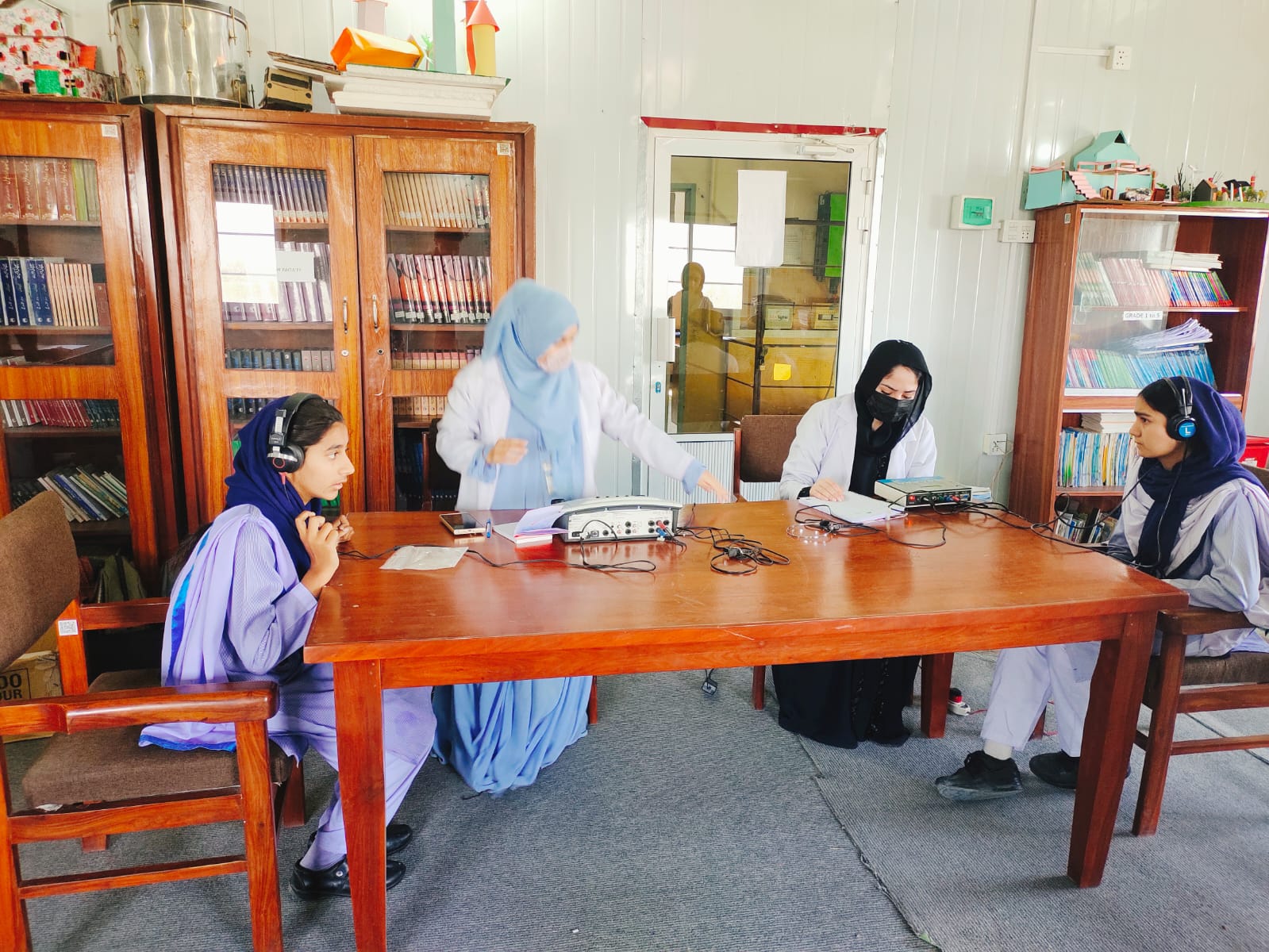
The next activity will be hearing screening. All participants will undergo screening, by qualified audiologists and volunteers from BS Audiology programme PIRS. Those needing further investigations or ENT consultation will be referred to PIRS/hospital for medical advice.
Participants will be encourage to discuss their hearing related problems, clarify myths and misconception and harmful practices.
Local district administration representatives, local political leadership and community participation will be ensured by prior engagements and meetings.
Primary site: EMR – Pakistan
Region: EMR
Impactful Story:
During a screening activity with about 20 public transport drivers last year, almost all drivers confessed heavy and unnecessary loud honking to make way for their vehicles. After screening and learning about their hearing health and the adverse effects of noise on their hearing, they pledged to avoid making noise with honking. This will not only protect their hearing but other as well.
General Photos
First ever hearing screening in a girls school.
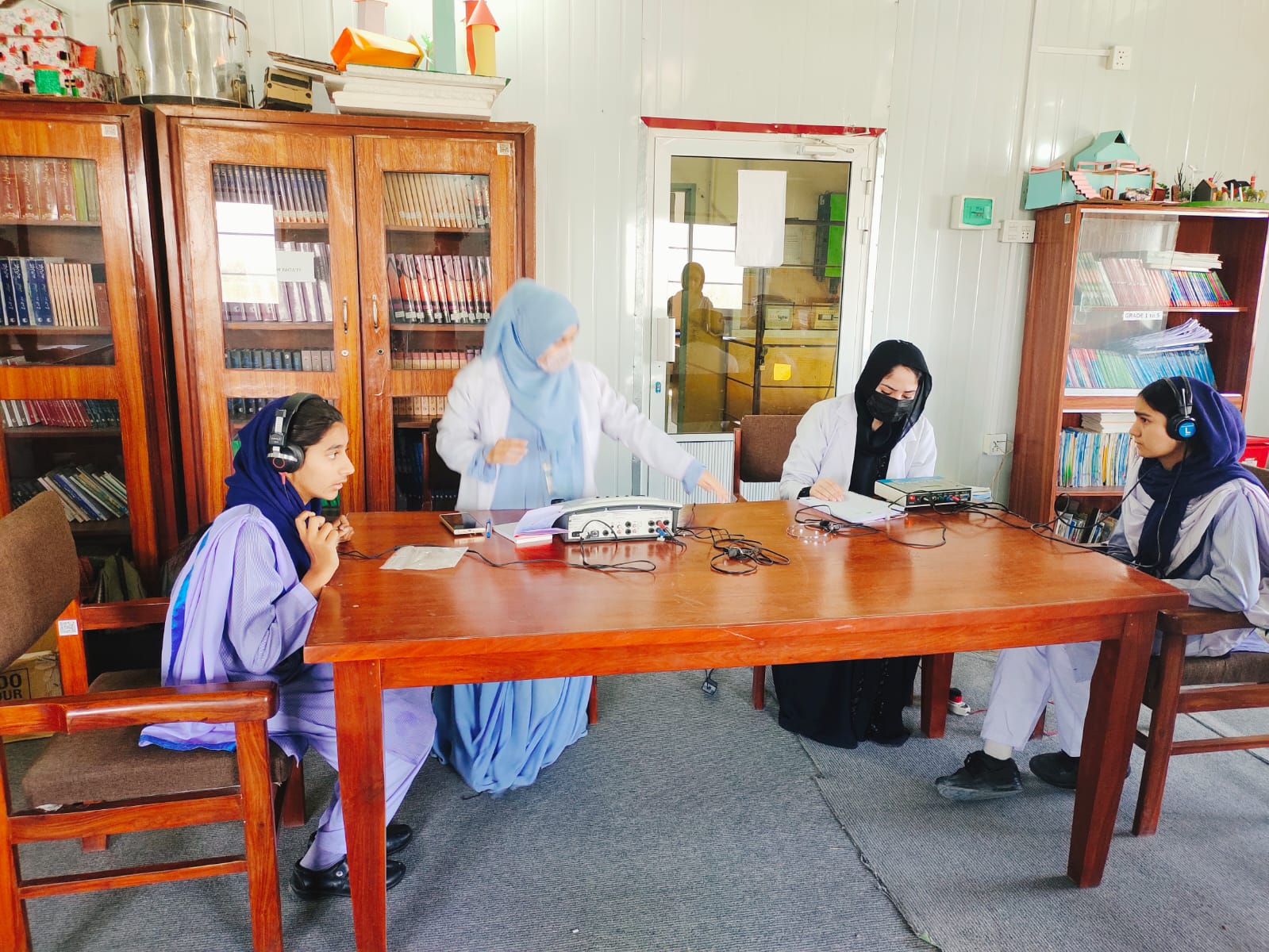
Female trainee audiologists screening girls in a school

Little Ears – Need Care – Everywhere
Types of Engagement:
Live event: Yes
Screening: Yes
Traditional media: Yes
Social media: Yes
Special needs populations: children and adolescents, rural or remote population
Met with individual policymaker: Yes
Participation of policy makers: Yes
Participation of influencers: Yes
WHO technical tool used: Yes
WHO educational and social media used: No