Organization: Universidade de Sorocaba
Title: From Communities to Classrooms: University Initiative for School Mobilization in Hearing Health
Al title (for format and translation – not permanent:
From communities to classrooms: University initiative for school mobilization in hearing health
Description:
In line with the theme of World Hearing Day 2026 — “From communities to classrooms: hearing care for all children” — the Speech-Language Pathology course at the University of Sorocaba (Uniso), in Brazil, carried out a university extension initiative on March 3rd and 4th in partnership with a municipal school in Sorocaba (SP), which serves students from the 1st to the 9th grade of elementary school.
The action involved approximately 1,000 children, previously organized by schedules and classes, always accompanied by their respective teachers, which allowed for a structured flow appropriate to the different age groups. The proposal was to develop educational, interactive and accessible activities, focusing on the promotion of hearing health, prevention of hearing loss and awareness about the safe use of sound devices.
The program was structured in a circuit format, with different educational stations. Initially, the students participated in an immersive experience using a giant inflatable ear, which they could walk inside and playfully understand the structures and functioning of the auditory system. During this experience, Speech Therapy students, under faculty supervision, provided explanations adapted to children’s language, promoting meaningful learning.
Following this, the students went through playful stations, including educational games about hearing, painting activities for younger students, and awareness-raising activities about the risks of exposure to loud sounds. Among these activities, the “Foneca,” an educational mannequin that measures the sound intensity of the volume used in cell phones and headphones, was also used, allowing for practical demonstrations of safe listening levels.
As part of the pedagogical proposal, a supervised experience was conducted using cell phones and headphones, with the aim of demonstrating sound intensity levels, simulating listening situations in different environments, and providing guidance on safe volume and appropriate usage time, bringing the content closer to the students’ reality.
Complementing the student activities, discussion groups were held with teachers, addressing topics such as hearing loss prevention, risks of exposure to recreational noise, identification of warning signs, and strategies to support and include students with hearing loss in the school environment. Informational leaflets based on materials from the World Health Organization were also provided to parents and guardians, distributed along with students’ school supplies, thus extending the reach of the initiative to the family context.
The activity was attended by the Municipal Secretary of Education and his team, reinforcing the institutional commitment to promoting health in the school environment and the integration between education and health.
In addition to the direct impact on the school community, the initiative also contributed to the academic training of Speech-Language Pathology students by providing practical experiences in health education, scientific communication, and community engagement.
This action highlights the importance of the partnership between the university and the public education system in promoting hearing health from childhood, in alignment with the WHO’s global guidelines.
Related media:
Uniso: https://unisonoticias.uniso.br/index.php/2026/03/20/curso-de-fono-desenvolve-pesquisa-sobre-zumbido-no-ouvido/
City Hall/Instagram: https://www.instagram.com/p/DVhMwFFjfJW/?igsh=MTkzejdnb2tqa3Y2cA==
Primary site: AMR – Brazil
Region: AMR
General Photos
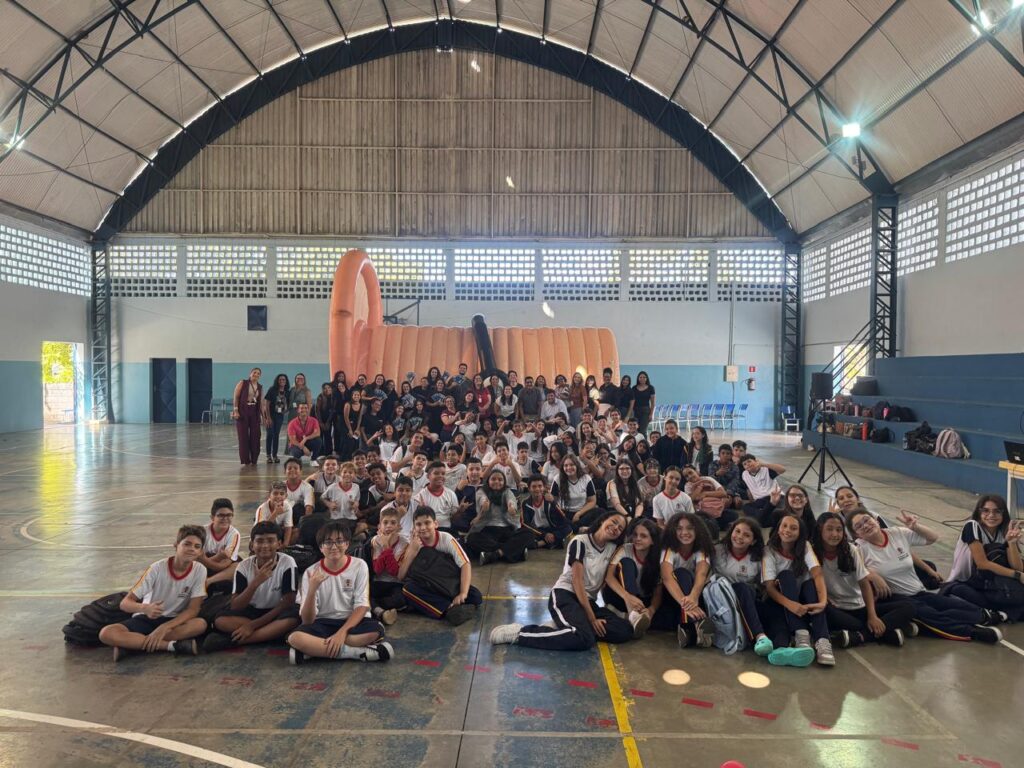
Together, promoting hearing health from childhood.
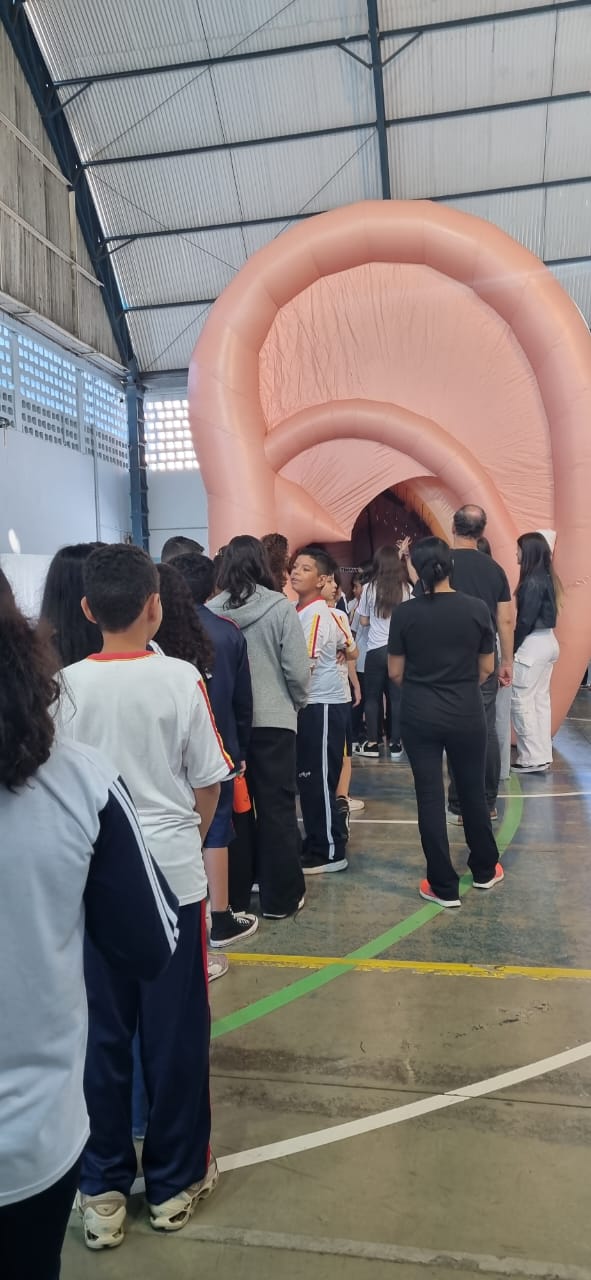
A journey through the giant ear
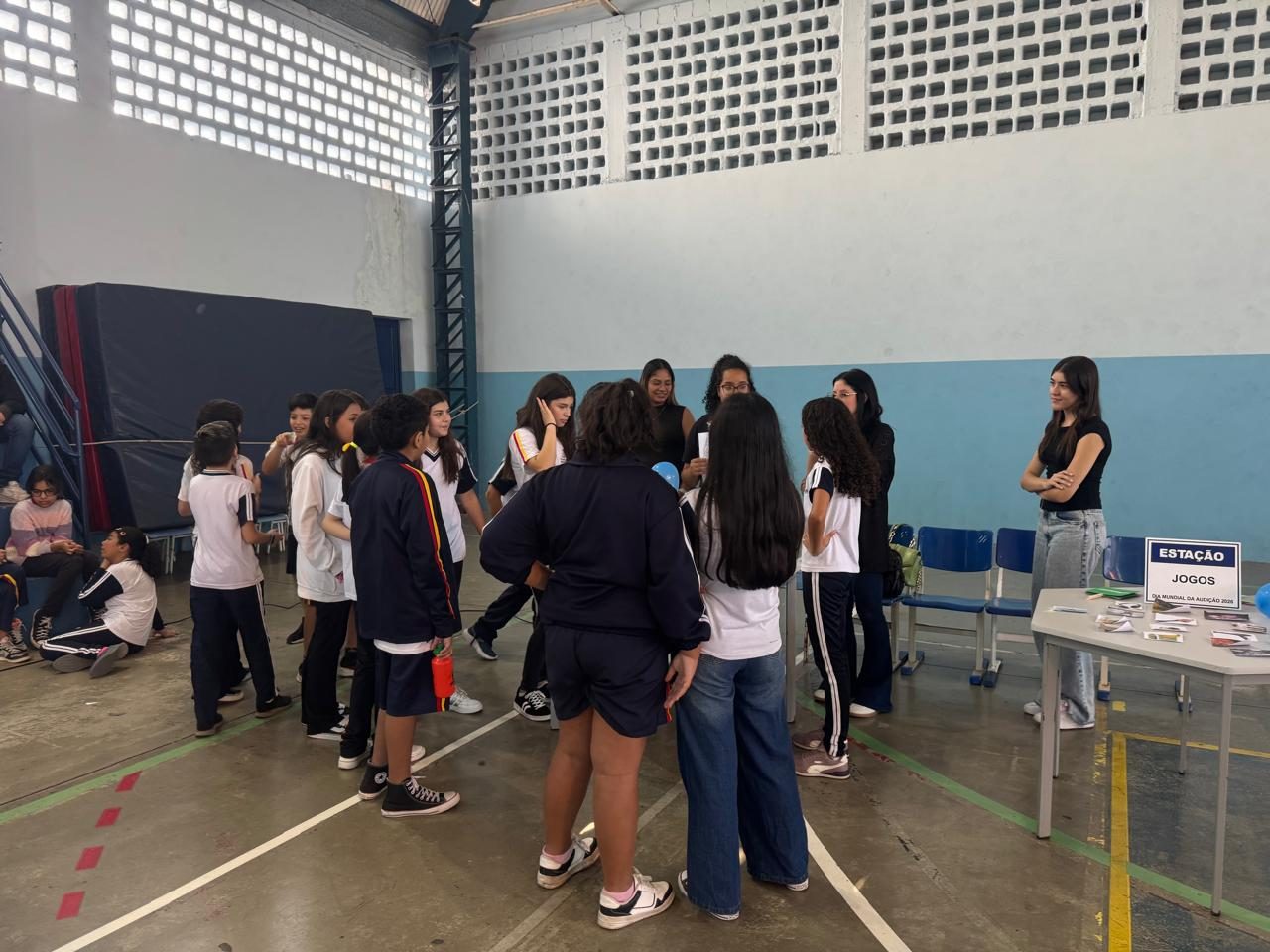
Learning through play: games about hearing
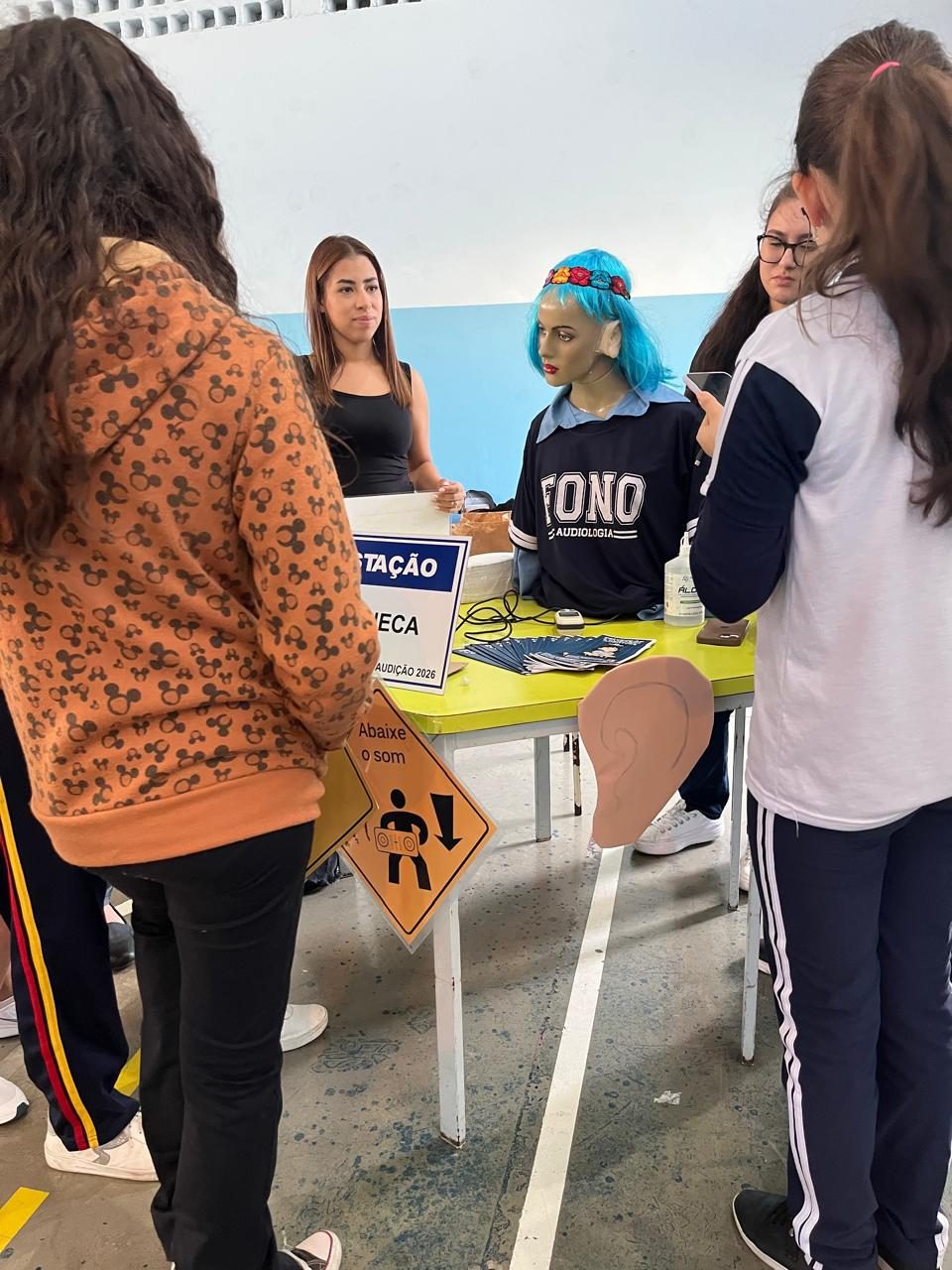
Foneca teaches: safe volume makes a difference.
Types of Engagement:
Live event: Yes
Screening: No
Traditional media: Yes
Social media: Yes
Special needs populations: persons with disabilities (including hearing loss), children and adolescents, older adults, rural or remote population, teachers and university students
Met with individual policymaker: Yes
Participation of policy makers: Yes
Participation of influencers: No
WHO technical tool used: Yes
WHO educational and social media used: No