Organization: Department of ENT, Government General Hospital, Ongole A.P, INDIA
Title: MEDICAL CAMP at government girls school, bandlamitta, ongole A.P, INDIA
Al title (for format and translation – not permanent:
Medical camp at Government Girls School, Bandlamitta, Ongole, Andhra Pradesh, India
Description:
The Department of ENT, Government General Hospital (GGH), Ongole organized a hearing screening medical camp for the students of Government Girls School, Bandlamitta today, as part of World Hearing Day awareness and sensitization activities.
The camp aimed to create awareness about the importance of hearing health and early detection of hearing problems among school children. Students were screened for various hearing-related issues, and guidance was provided on preventive care and maintaining ear hygiene.
The programme was conducted under the supervision of Dr. Prabhakar Rao, Head of the Department of ENT, along with other doctors and medical staff. The team interacted with students, educated them on safe listening practices, and addressed their health concerns.
Primary site: SEAR- India
Region: SEAR
Impactful Story:
After taking permission from higher officials like principal gmc ongole, medical superintendent ggh ongole and district educational officer, the Department of ENT has conducted medical camp at government girls school, bandlamitta, ongole, andhrapradesh. The camp was aimed to create awareness about the importance of hearing health and early detection of hearing problems among school children.150 Students were screened for various hearing-related issues, and guidance was provided on preventive care and maintaining ear hygiene.
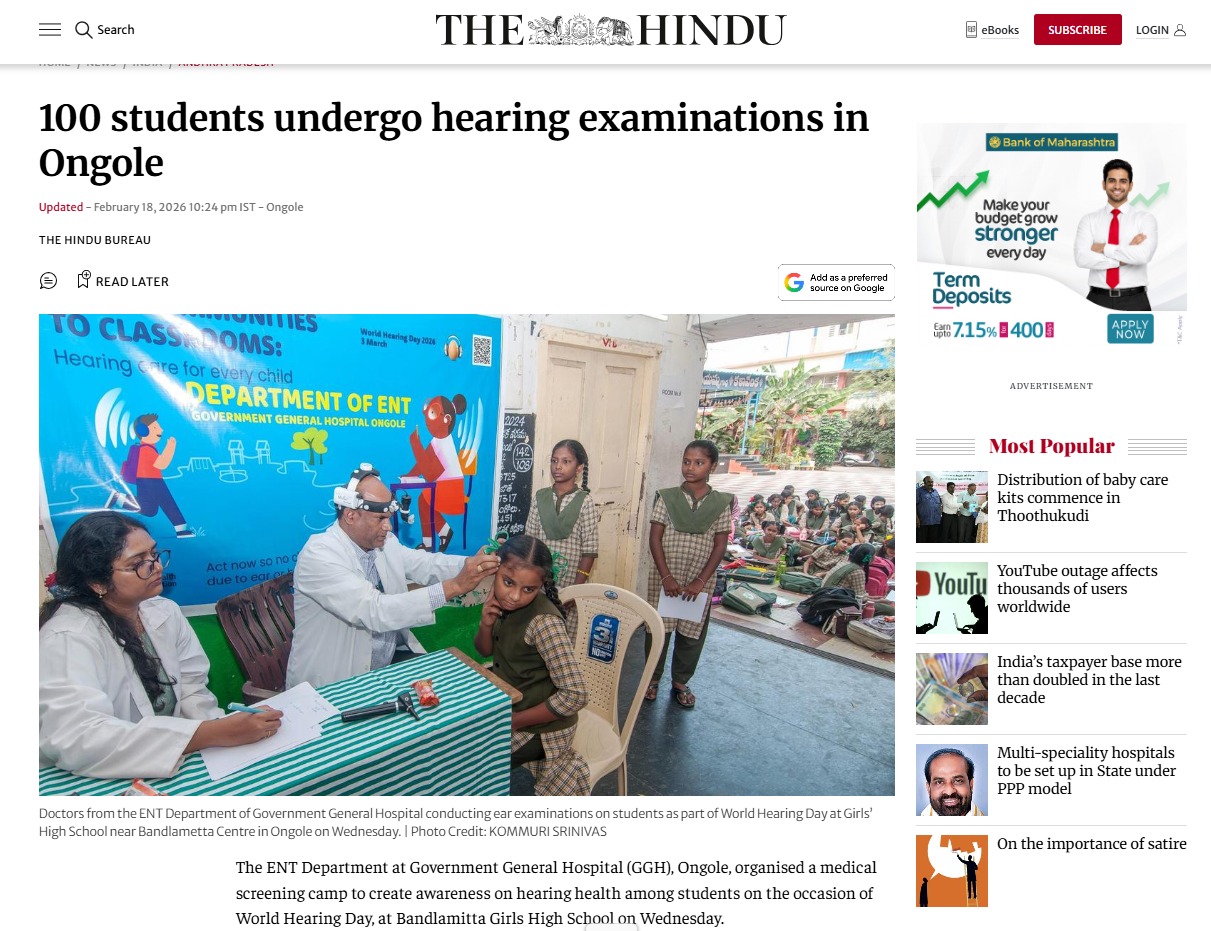
General Photos
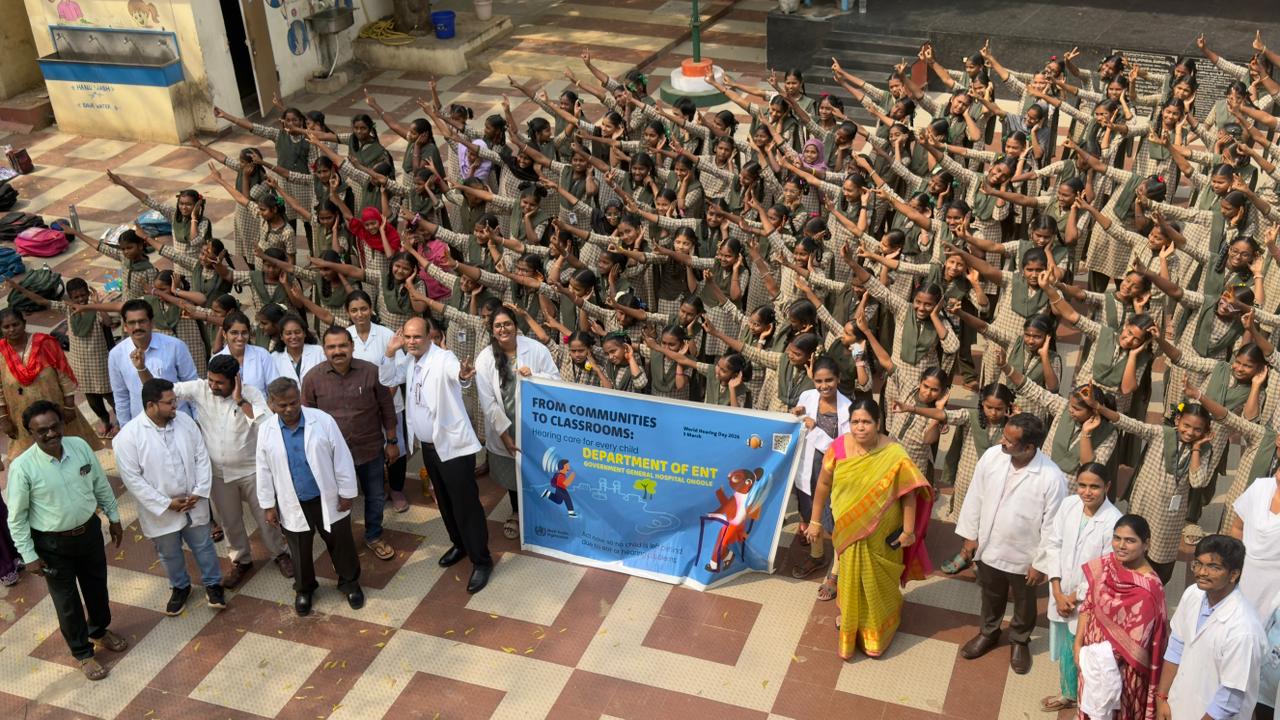
STUDENTS SHOWING GESTURE THE THEY DONT HAVE HEARING PROBLEM
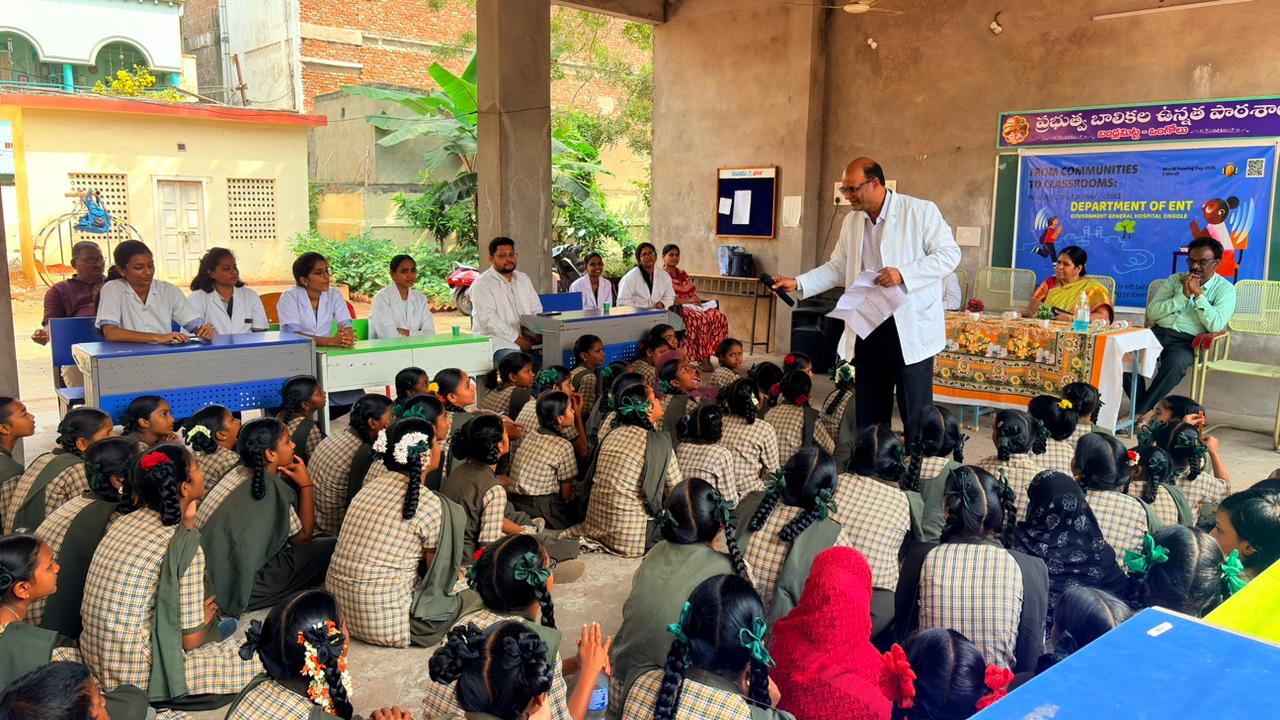
ENT HOD is interacting with school children.
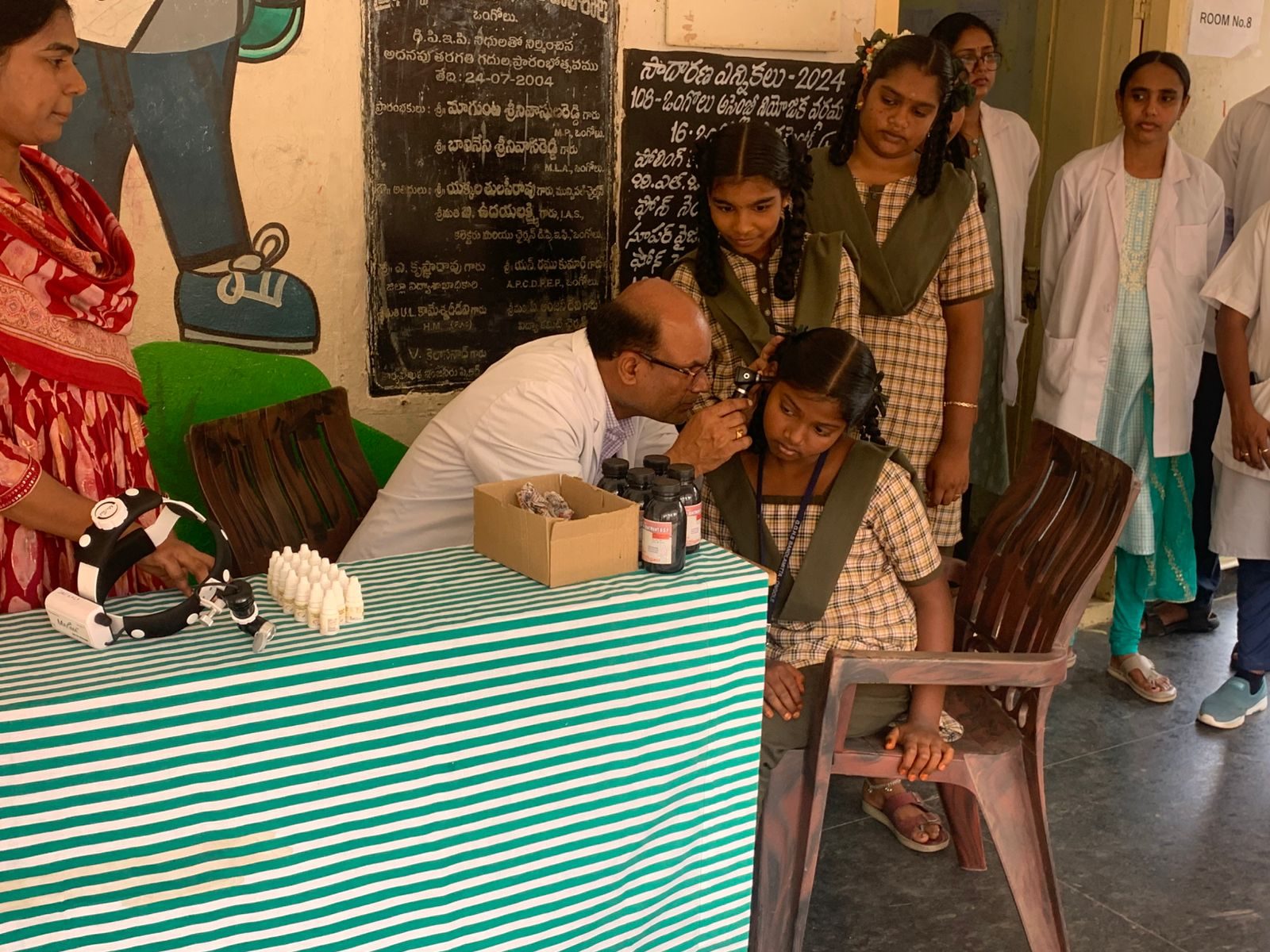
screening for hearing impairment is being done.
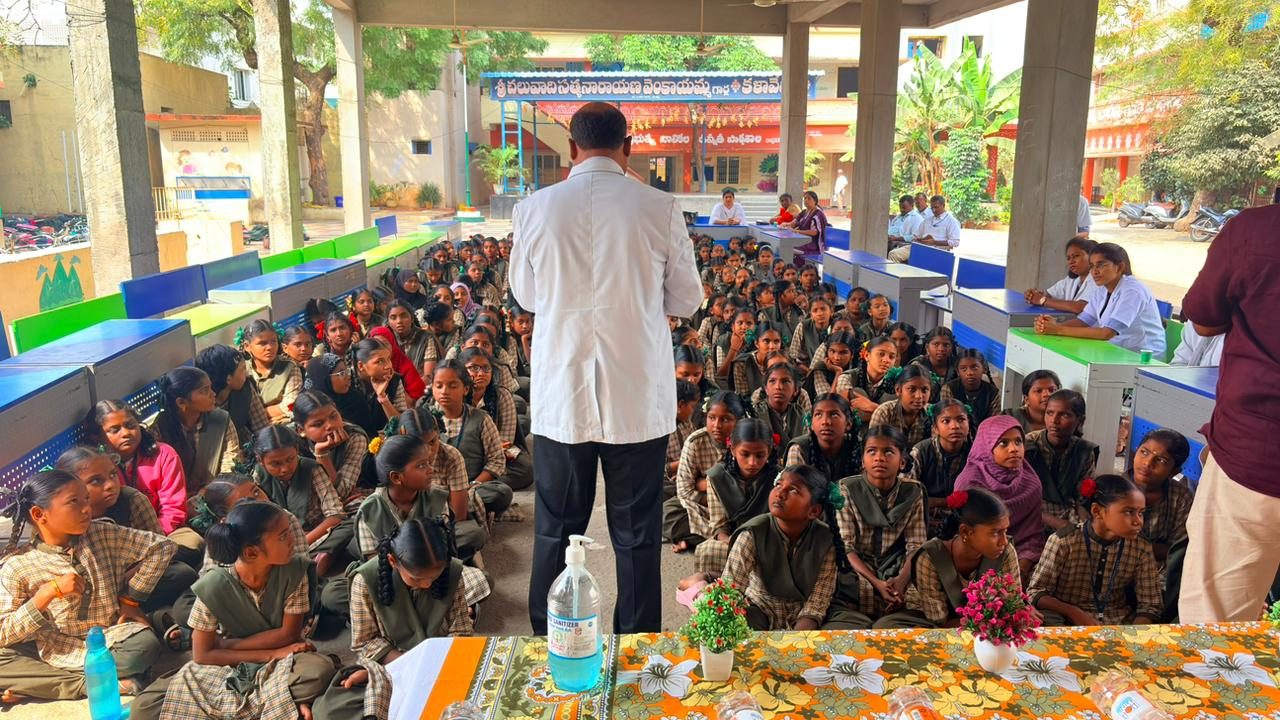
health education regarding ear care and hearing problems
Types of Engagement:
Live event: Yes
Screening: Yes
Traditional media: Yes
Social media: Yes
Special needs populations: persons with disabilities (including hearing loss), children and adolescents, rural or remote population
Met with individual policymaker: No
Participation of policy makers: Yes
Participation of influencers: No
WHO technical tool used: Yes
WHO educational and social media used: No