Organization: BP Eye Foundation (BPEF), Hospital for Children, Eye, ENT, and Rehabilitation Services (CHEERS)
Title: Hearing Health Matters: Building Healthy Hearing Habits from Schools
Al title (for format and translation – not permanent:
Hearing health matters: Building healthy hearing habits from schools
Description:
The World Hearing Day 2026 celebration was successfully organized by BP Eye Foundation – CHEERS at Siddhi Mangal Secondary School, Siddhipur, Lalitpur, with the active participation of 56 students. The program aimed to raise awareness about hearing health and emphasize the importance of early detection and prevention of hearing loss.
During the session, students were educated on ear health, including safe listening practices, common causes of hearing impairment, and preventive measures to protect hearing in daily life. The discussion also covered the global incidence and prevalence of hearing loss, helping students understand its widespread impact and the importance of timely intervention.
A key highlight of the program was the practical demonstration of the “hearWHO” mobile application. Students were guided on how to use the app to assess their hearing ability using smartphones and headphones. This interactive session provided participants with a simple and accessible method for self-screening of hearing function, encouraging proactive health behavior.
The program was interactive and well-received, with enthusiastic participation from students. It was further strengthened by the active involvement of the Rotary Club of Patan, along with the valuable support of school teachers and the school nurse, who contributed significantly to the smooth execution of the event.
Overall, the program was informative, engaging, and impactful in promoting awareness about hearing health and empowering students with practical knowledge for early detection and prevention of hearing loss.
Primary site: SEAR- Nepal
Region: SEAR
General Photos
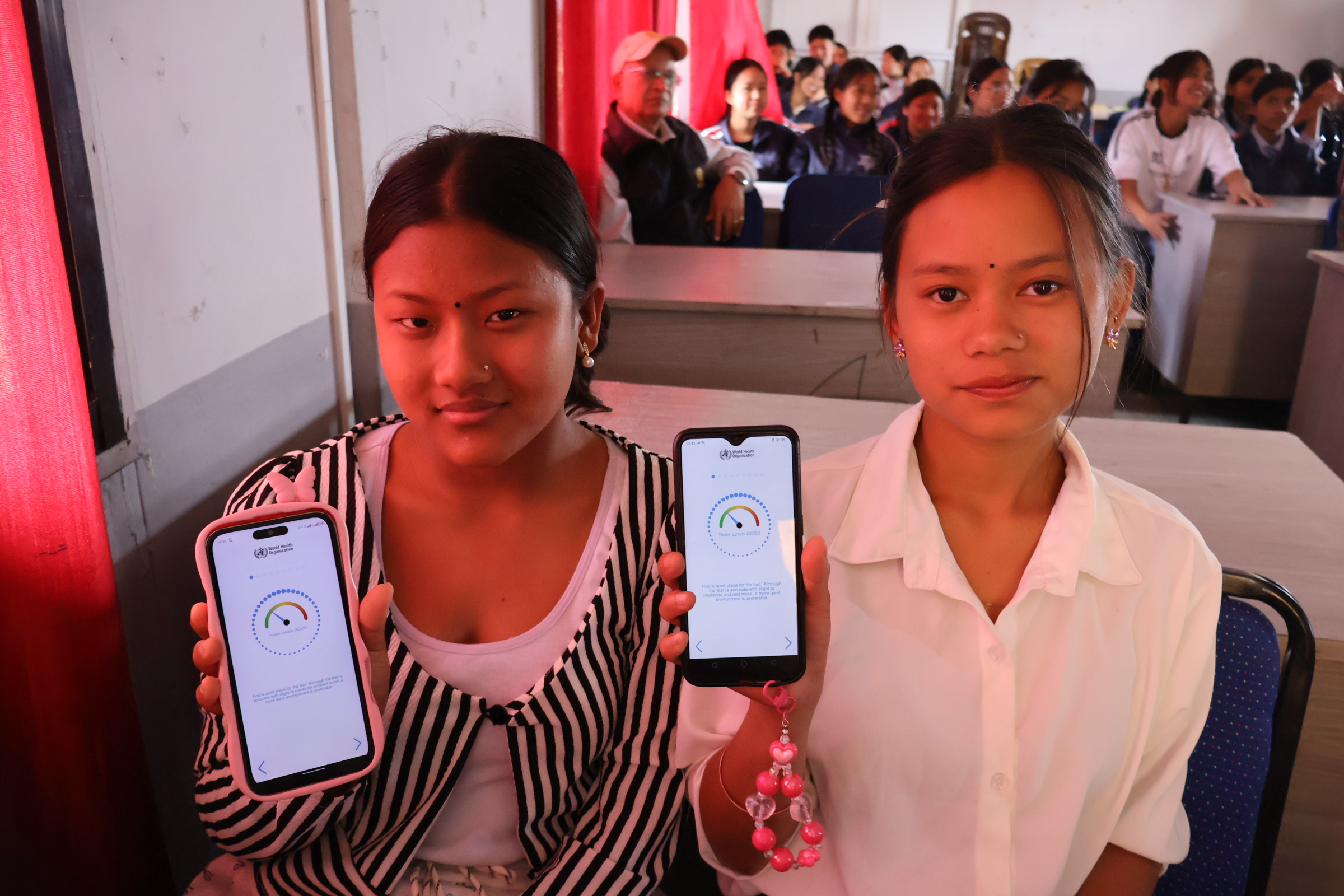
HearWHO App – Let’s get hearing checked.
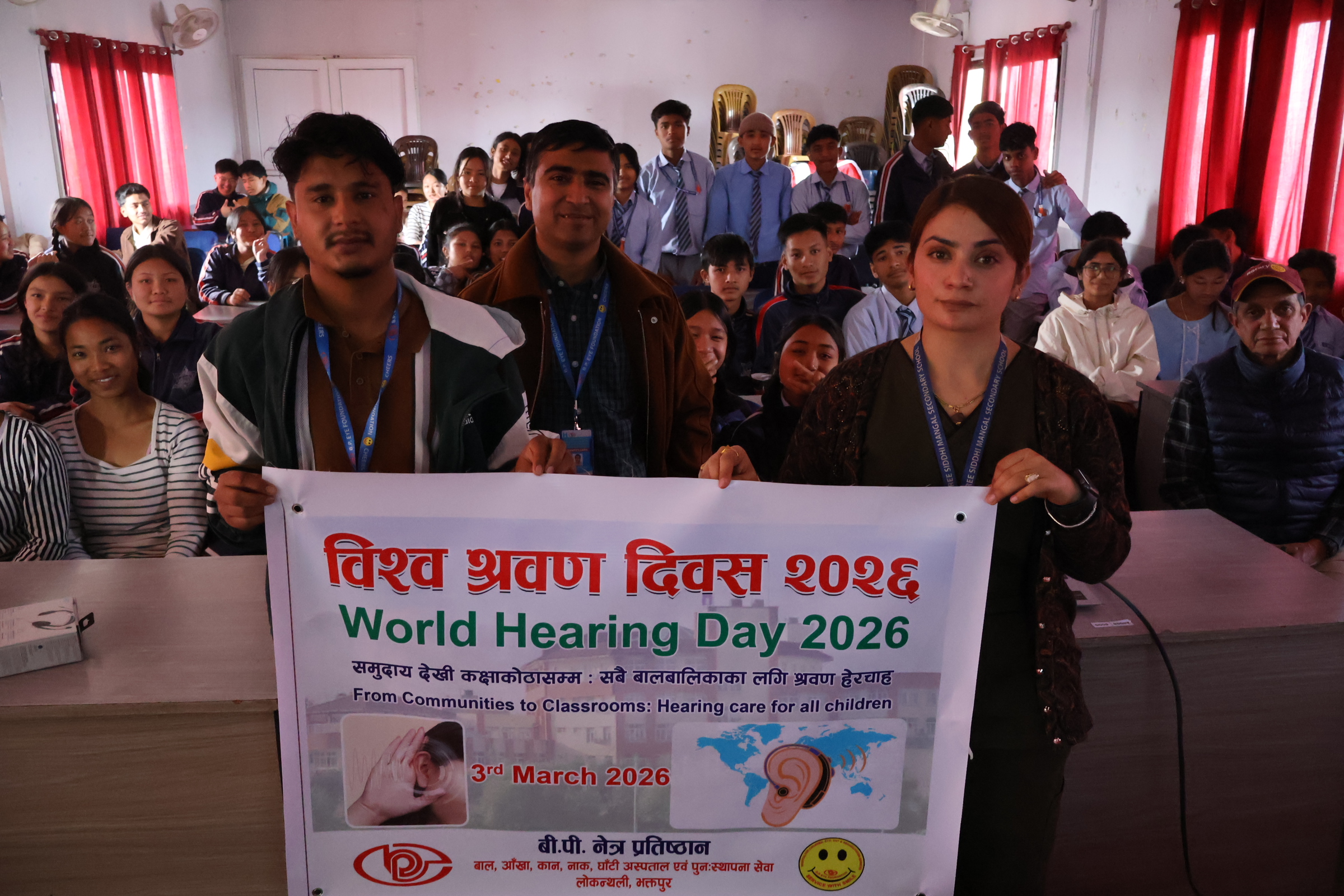
Empowering students for better hearing health
Types of Engagement:
Live event: No
Screening: Yes
Traditional media: No
Social media: Yes
Special needs populations: children and adolescents
Met with individual policymaker: No
Participation of policy makers: No
Participation of influencers: No
WHO technical tool used: Yes
WHO educational and social media used: No