Organization: Father Muller College of Speech and Hearing
Title: World Hearing Day Activities
Al title (for format and translation – not permanent:
World Hearing Day activities
Description:
1. Introduction: The Department of Speech and Hearing at Father Muller College, Mangalore, Karnataka, India proposes a series of initiatives to commemorate World Hearing Day 2026, aligning with WHO’s global agenda to promote the theme communities to class room: hearing care for all children. The theme emphasizes the importance of preventing avoidable childhood hearing loss and ensuring early identification and care for children with ear and hearing problems — by integrating hearing care into community and school health programs so that every child can hear, learn, and succeed.
2. Objectives: The overall objective will be to promote early identification, prevention, and management of hearing and speech disorders among children through community outreach, institutional collaboration, and public awareness initiatives in line with WHO World Hearing Day 2026. The specific objectives are as follows;
To educate the community about causes, early signs, prevention, and management options of childhood hearing loss and to promote safe listening practices among children and adolescents.
To provide early screening and identification of speech and hearing problems, especially in children. This is to promote timely intervention and rehabilitation services.
To create awareness and resource targeting the role of parents, teachers in early detection of hearing problems
To reach a wider community audience with information on signs of hearing loss in children, importance of early screening, availability of services, etc through broadcast media.
To train college representatives as hearing health ambassadors by strengthening institutional partnerships for sustainable hearing care programs.
To organize a Walkathon on the occasion of World Hearing Day for creating awareness about the importance of early identification and intervention Hearing loss.
3. Proposed Activities: Target Groups
Children and adolescents
Parents and caregivers
School teachers and college representatives
General public
Faculty and staff of FMCI
Community stakeholders and youth volunteers
Media representatives (FM radio, digital platforms)
Planned Activities
1. Exhibition on Speech and Hearing Awareness: An educational exhibition will be organized for the general public highlighting:
Causes and early signs of childhood hearing loss
Importance of newborn and school hearing screening
Preventive measures and safe listening practices
Available speech and hearing services
2. Free Speech and Hearing Screening Camp: A free screening camp will be conducted for children, in-house staffs and the general public to:
Identify suspected cases of hearing and speech disorders
Provide basic audiological screening
Offer counselling and referral for further management
3. Public awareness video campaign: A short awareness video will be recorded and shared through digital platforms to:
Promote early screening and intervention
Encourage community participation
Spread WHO World Hearing Day key messages
4. Radio talk on World Hearing Day: A radio talk will be broadcast to:
Disseminate key messages on childhood hearing care
Educate the public about warning signs of hearing loss
Promote safe listening habits and available services
5. Public awareness programme (in collaboration): In collaboration with:
Mangalore University
Indian Red Cross Society
An awareness programme will be conducted for representatives of various colleges to:
Train student representatives as hearing health ambassadors
Encourage peer-level awareness campaigns
Promote sustainable hearing health initiatives within educational institutions
6. Walkathon – World Hearing Day
In collaboration with:
Dakshina Kannada Indian Speech and Hearing Association (DKISHA)
Primary site: SEAR- India
Region: SEAR
Secondary sites:Nil
Impactful Story:
Our college proposed a series of initiatives to commemorate World Hearing Day 2026, aligning with the WHO’s global agenda to promote the theme “From communities to classrooms: Hearing care for all children.” The theme emphasized the importance of preventing avoidable childhood hearing loss & ensuring early identification & care for children with ear and hearing problems by integrating hearing care into community & school health programs. 1. Exhibition on Speech &Hearing Awareness 2. Free Speech & Hearing Screening Camp 3. Public awareness video campaign, announcement & pamphlet distribution 4. FM Talk 5. Public awareness programme 6. Walkathon (in collaboration)
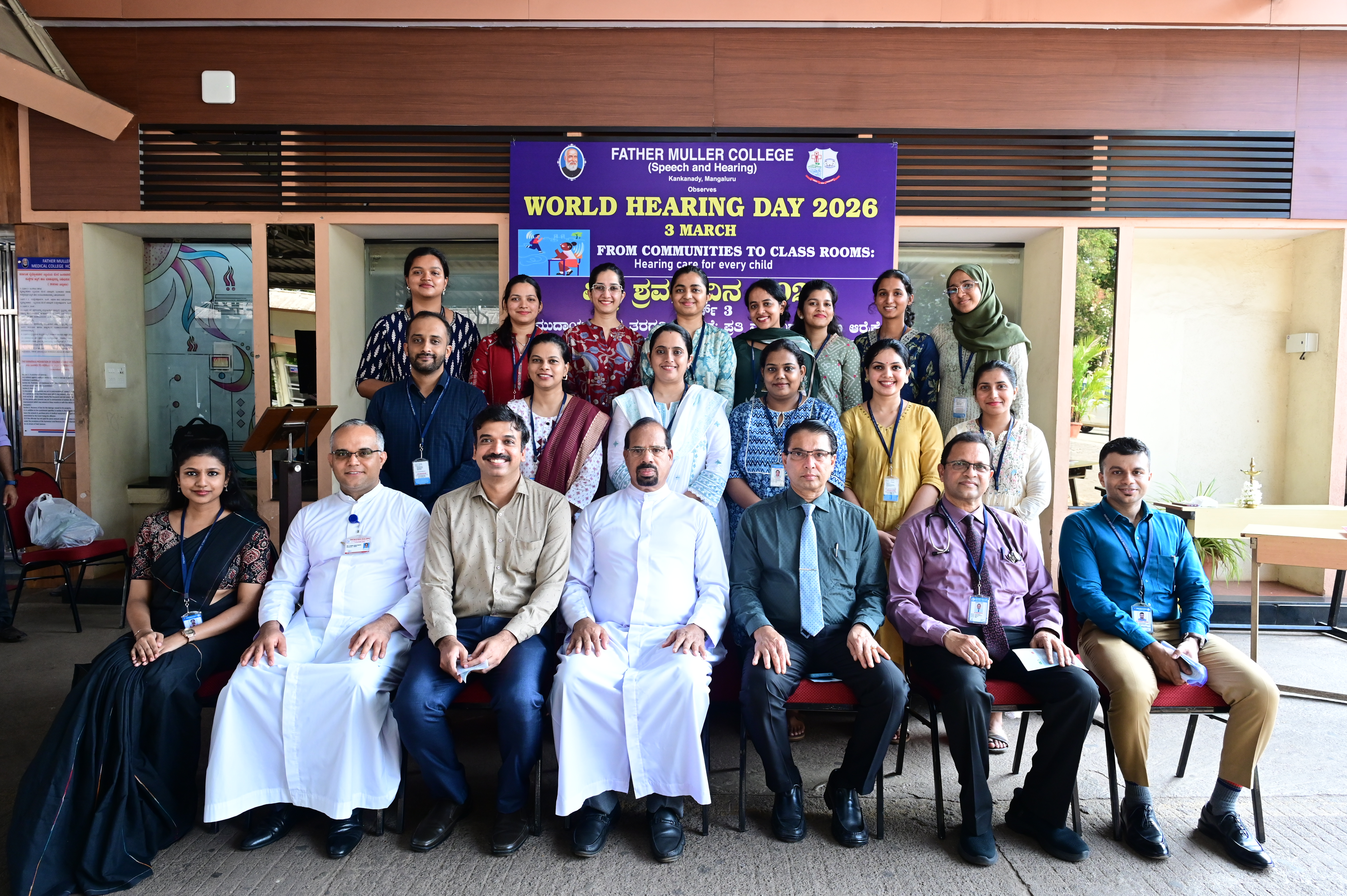
General Photos
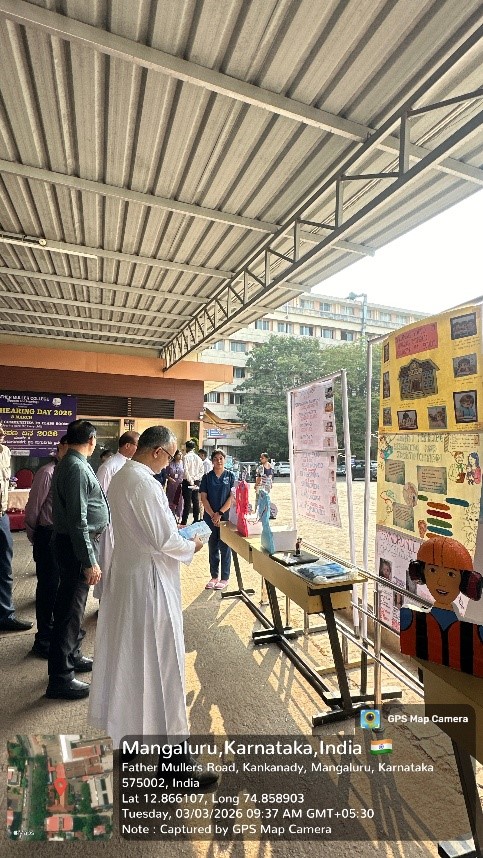
Exhibition at Father Muller Medical College Hospital premise
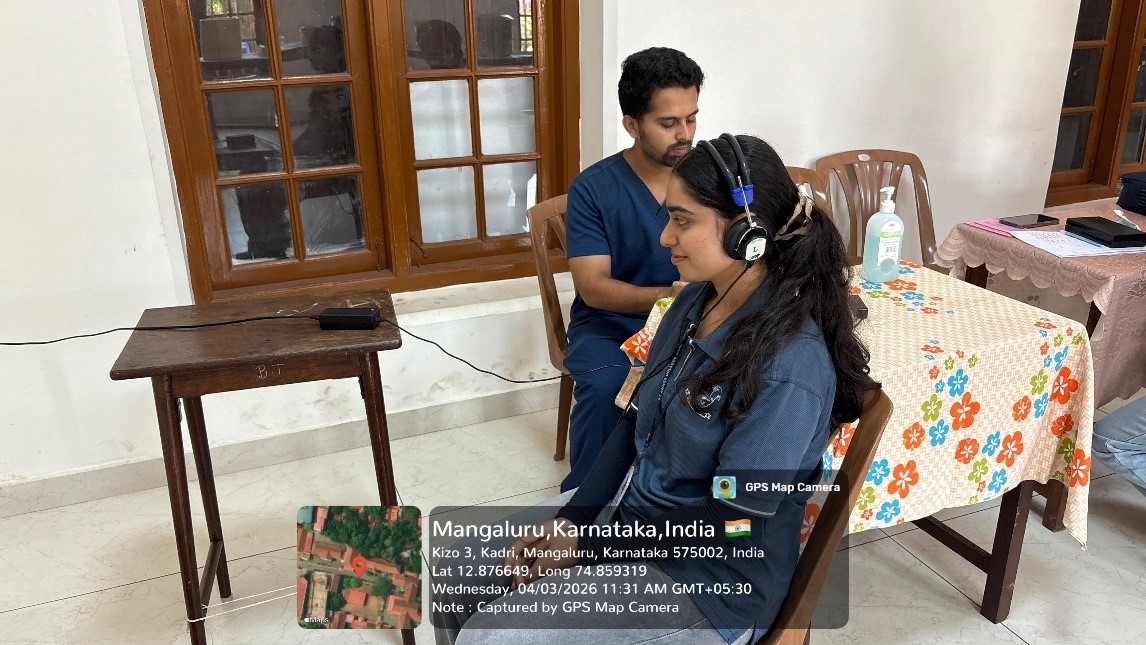
Hearing Screening
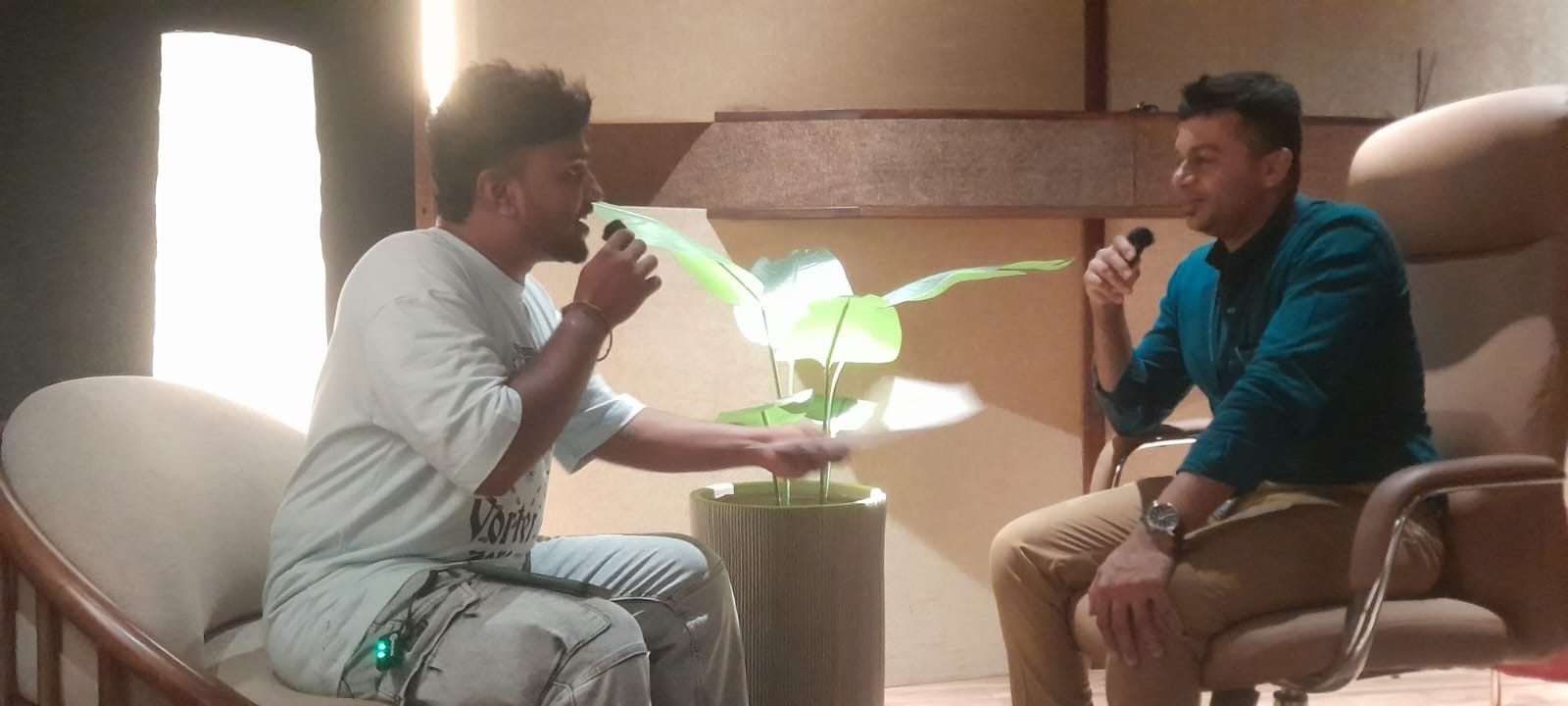
FM Talk on World Hearing Day
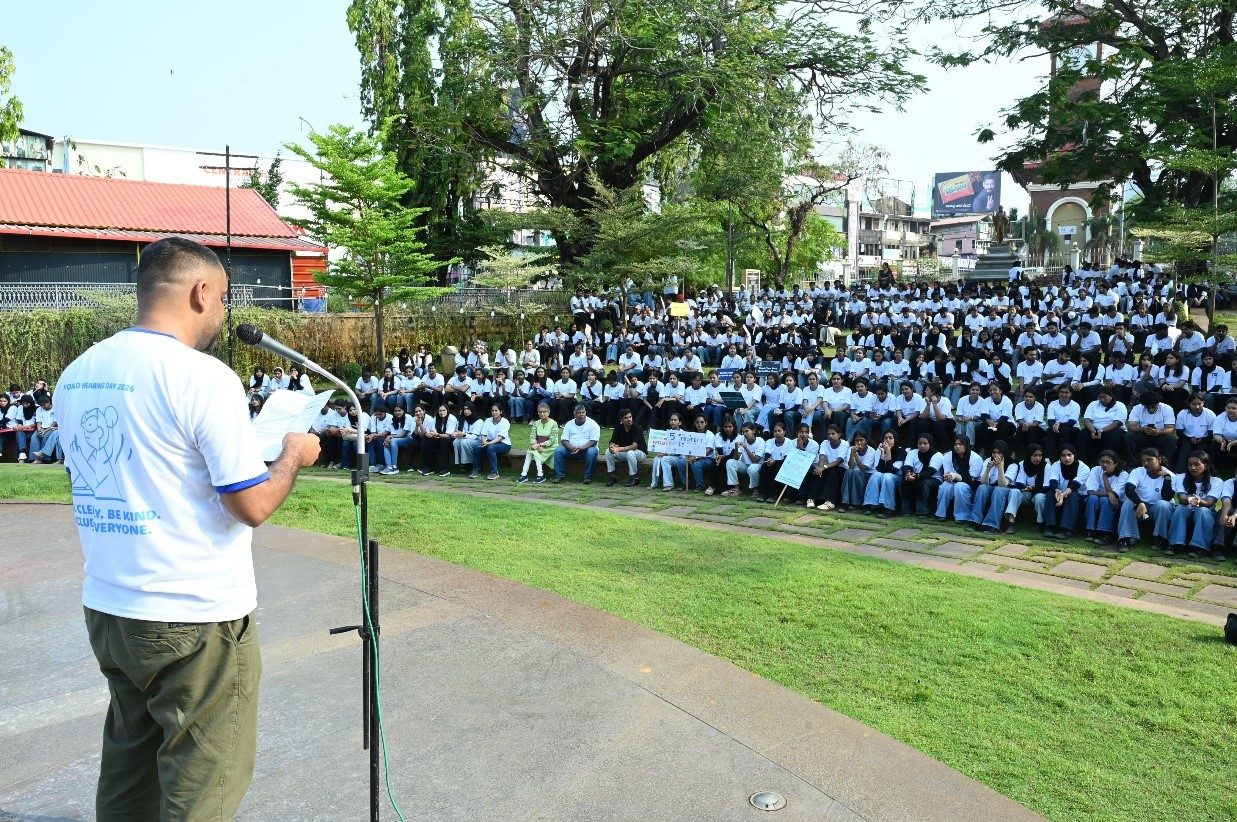
Walkathon in Association with Dakshina Kannada – ISHA
Types of Engagement:
Live event: Yes
Screening: Yes
Traditional media: Yes
Social media: Yes
Special needs populations: persons with disabilities (including hearing loss), children and adolescents, older adults
Met with individual policymaker: No
Participation of policy makers: No
Participation of influencers: No
WHO technical tool used: Yes
WHO educational and social media used: Yes