Organization: Audicare , Katya Freire and Andreas Thulin
Title: Brainland – Tinnitus 2nd episode
Al title (for format and translation – not permanent:
Brainland – Tinnitus second episode
Description:
This activity consists of an educational animated video developed for World Hearing Day 2026, aligned with the theme “From communities to classrooms: hearing care for every child.”
The video is Episode 2 of the educational series Brainland, and this episode is titled Tinnitus.
It features the same main characters introduced in Episode 1, ensuring continuity and strengthening audience engagement across the series.
The aim of this episode is to raise awareness about tinnitus, safe listening, and the importance of early ear and hearing care. Through an engaging and accessible storytelling approach, the video follows a young character who develops tinnitus after exposure to loud music without hearing protection. The story illustrates how tinnitus can affect concentration, emotional wellbeing, communication, and participation in daily life, including school, work, and social interactions.
The video also addresses common misconceptions, such as the belief that nothing can be done for tinnitus. It emphasizes that tinnitus is a symptom that can be assessed and managed with professional support. The episode highlights the importance of prevention, early identification, and access to multidisciplinary care, presenting the role of ENT specialists, audiologists, psychologists, and other healthcare professionals in a simple and understandable way.
A key focus of this activity is empowerment. The episode encourages individuals to adopt healthy listening behaviours, seek help when needed, and understand that hearing health is an essential part of overall wellbeing. It also promotes the involvement of families, teachers, and communities in supporting hearing health and reducing stigma related to tinnitus and hearing difficulties.
The video is designed for a wide audience, from children to older adults, making the content accessible and relevant for people aged 5 to 90 years. It can be used in schools, community settings, and public awareness campaigns.
Through this initiative, we aim to support the goals of World Hearing Day by promoting prevention, early care, and inclusive access to ear and hearing health services. By reaching both communities and classrooms, this activity contributes to raising awareness, empowering individuals, and advancing the global effort to ensure hearing care for everyone, everywhere.
Primary site: AMR – Brazil
Region: AMR
Secondary sites:Portugal and Sweden
General Photos
Brainland Tinnitus Episode 2
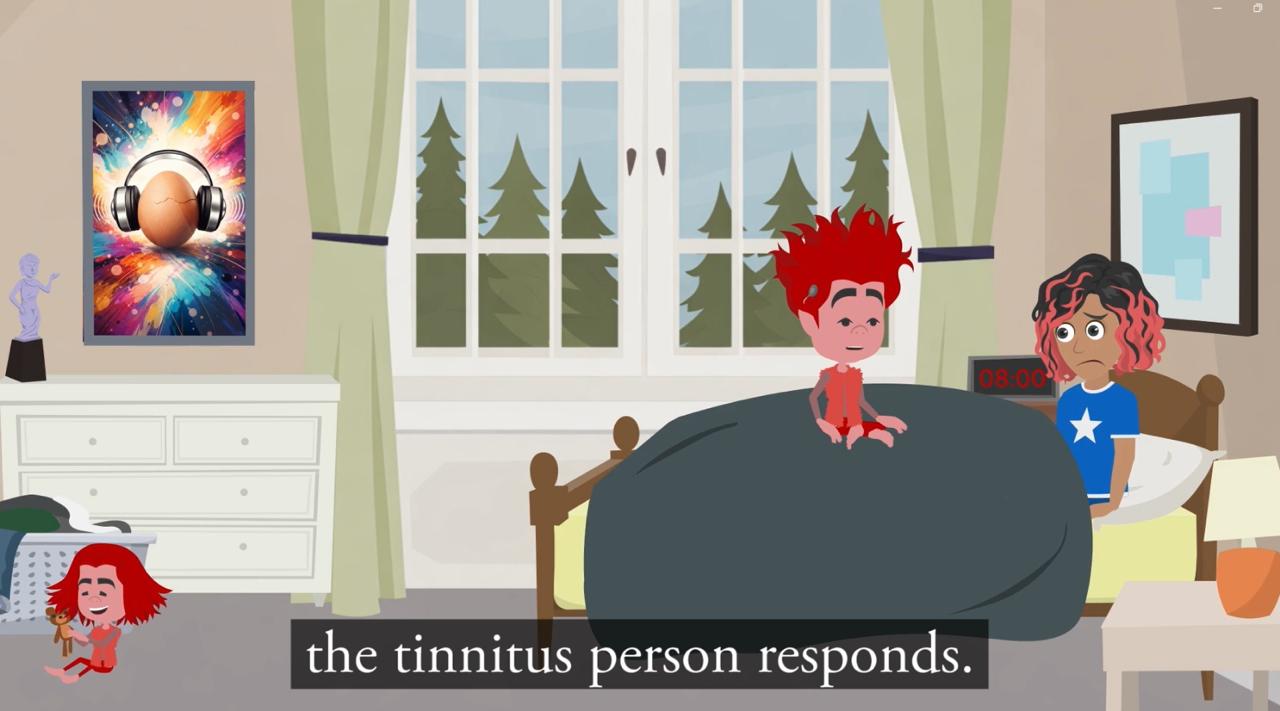
The interaction between the character Jamie and tinnitus.
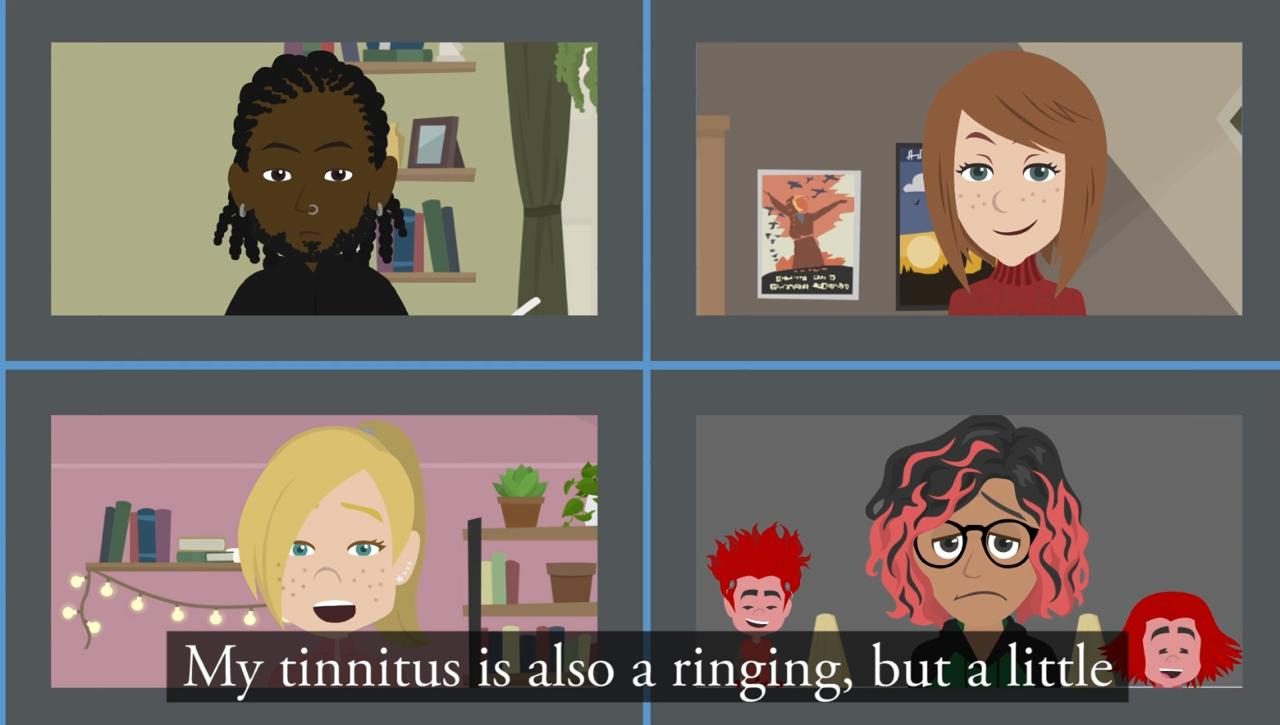
A conversation between the characters about their various ty

Thanks to Make Listening Safe Workstream and Audicare.
Types of Engagement:
Live event: No
Screening: No
Traditional media: Yes
Social media: Yes
Special needs populations: persons with disabilities (including hearing loss), children and adolescents, older adults
Met with individual policymaker: No
Participation of policy makers: No
Participation of influencers: No
WHO technical tool used: No
WHO educational and social media used: Yes