Organization: Translational Ear Physiology Team, the University of Auckland
Title: World Hearing Day with Future Health Workers of New Zealand
Al title (for format and translation – not permanent:
World Hearing Day university student engagement
Description:
On 3 March 2026, our team hosted a World Hearing Day information stand at the University of Auckland Grafton Campus Student Expo in Auckland, New Zealand. The Grafton Campus is the University’s Medical and Health Sciences campus, with a large population of students training to become future clinicians, health professionals, and medical researchers. Our activity was coordinated as part of the wider Student Expo by the University of Auckland Grafton Campus Student Centre, which allowed us to contribute to a larger campus-wide event and benefit from strong student foot traffic. The stand was positioned alongside disability support and other student support groups, creating a strong setting for engagement around accessibility, inclusion, communication, and health. This location supported meaningful interaction with students and aligned well with the goals of World Hearing Day.
Our activity aimed to raise awareness of hearing health, hearing loss, communication accessibility, and hearing-related opportunities in an interactive and approachable way. We displayed official World Hearing Day posters and materials, and also promoted other World Hearing Day-related initiatives taking place around New Zealand. This connected our local activity to the wider national effort.
The event had excellent visibility and turnout, with the atrium filled with students passing through during the session. Many students stopped at the stand to view the displays, ask questions, and participate in activities. One of the most successful engagement tools was a visual, interactive photo board themed around ears and ear science. Students were invited to take photos and share them on social media/SNS. This proved very popular and helped attract attention to the stand in a fun and memorable way. The event also generated meaningful discussion with students about hearing loss and hearing-related careers and research. Some students shared personal experiences, including family experiences of hearing loss. Others asked about opportunities to study audiology, become involved in hearing research, or participate in hearing-related initiatives at the University of Auckland. These conversations were particularly valuable in the context of the Medical and Health Sciences campus, where many attendees are future clinicians and researchers. The event therefore provided an opportunity not only to raise awareness, but also to encourage future engagement in hearing health and hearing-related fields. A second major feature was a New Zealand Sign Language (NZSL) drop-in workshop. This gave students and staff an opportunity to ask questions about accessibility, Deaf culture, and the use of sign language in communication. Staff and students were present throughout the event to support discussion and participation. This component added an important inclusion and accessibility dimension to the activity and broadened the conversation beyond ear care.
Overall, this World Hearing Day activity was a successful public engagement event. It combined official campaign materials, interactive visual engagement, communication accessibility, and promotion of wider initiatives in a high-traffic campus setting. The strong turnout and positive level of interaction demonstrated a clear interest in hearing, hearing loss, and inclusive communication. The event contributed to the vibrant campus environment while supporting the broader aims of World Hearing Day through awareness, accessibility, and community engagement.
Primary site: WPR – New Zealand
Region: WPR
General Photos
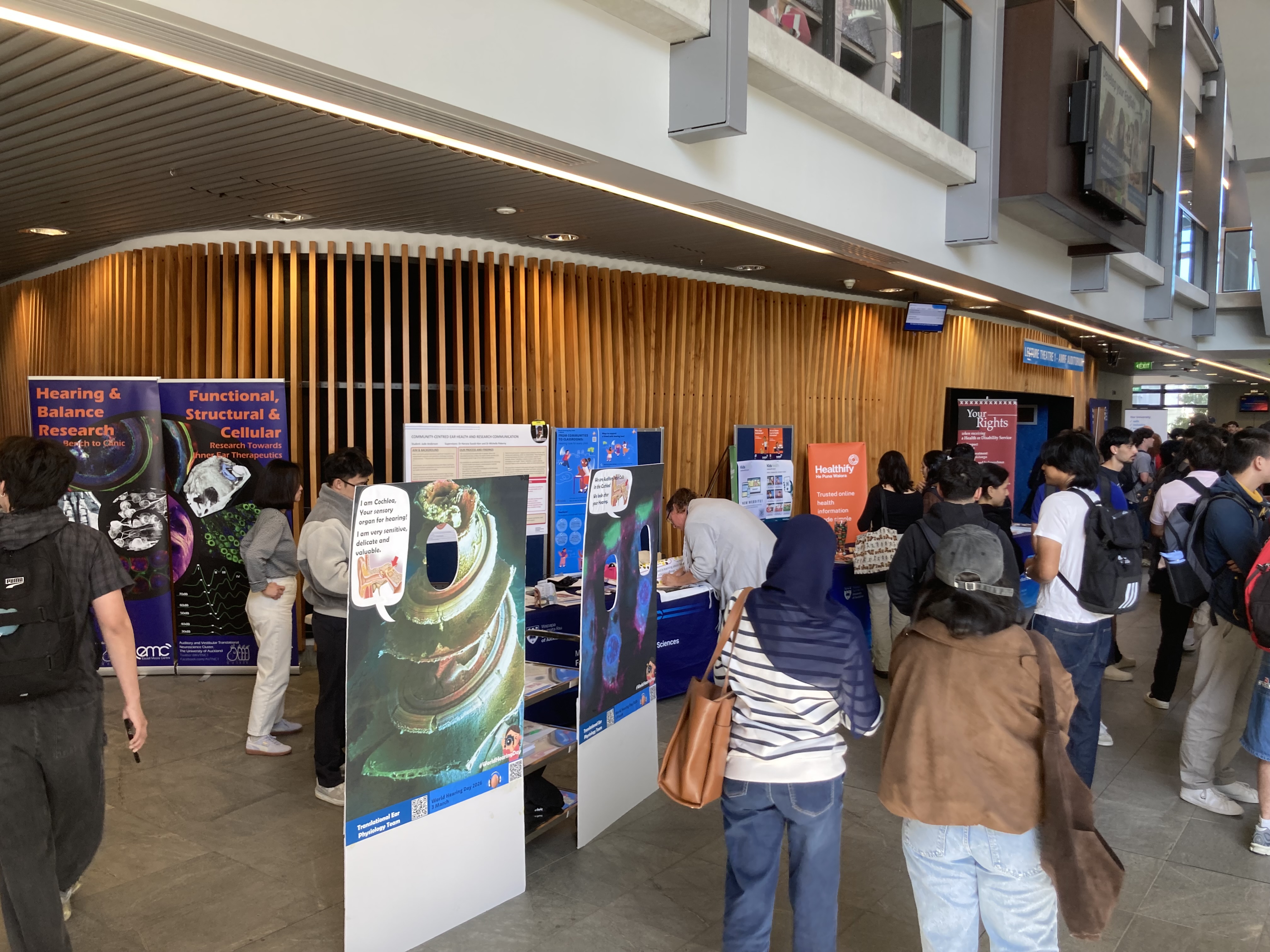
Student turnout at the World Hearing Day stand
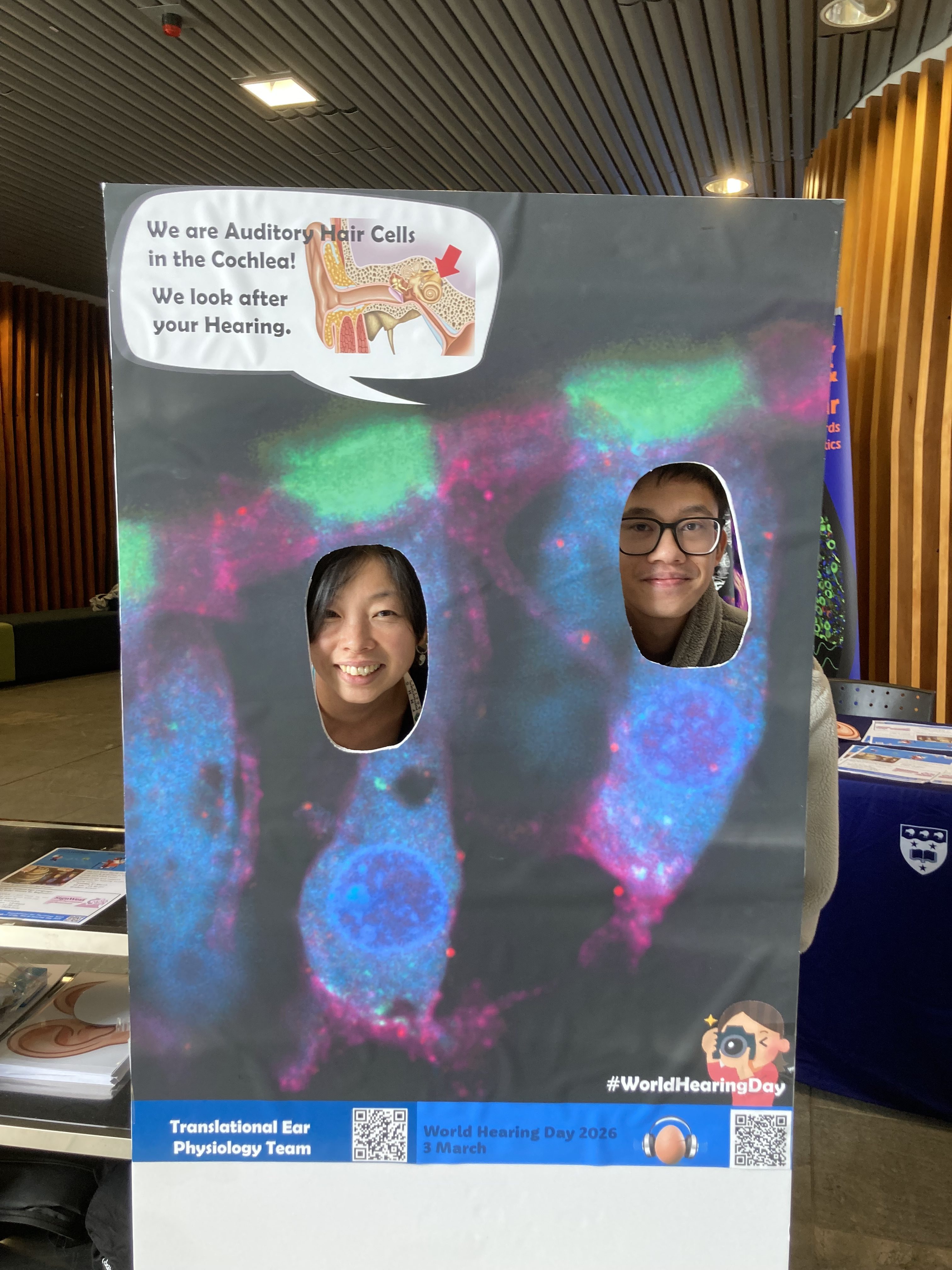
Interactive ear science photo board used in this event
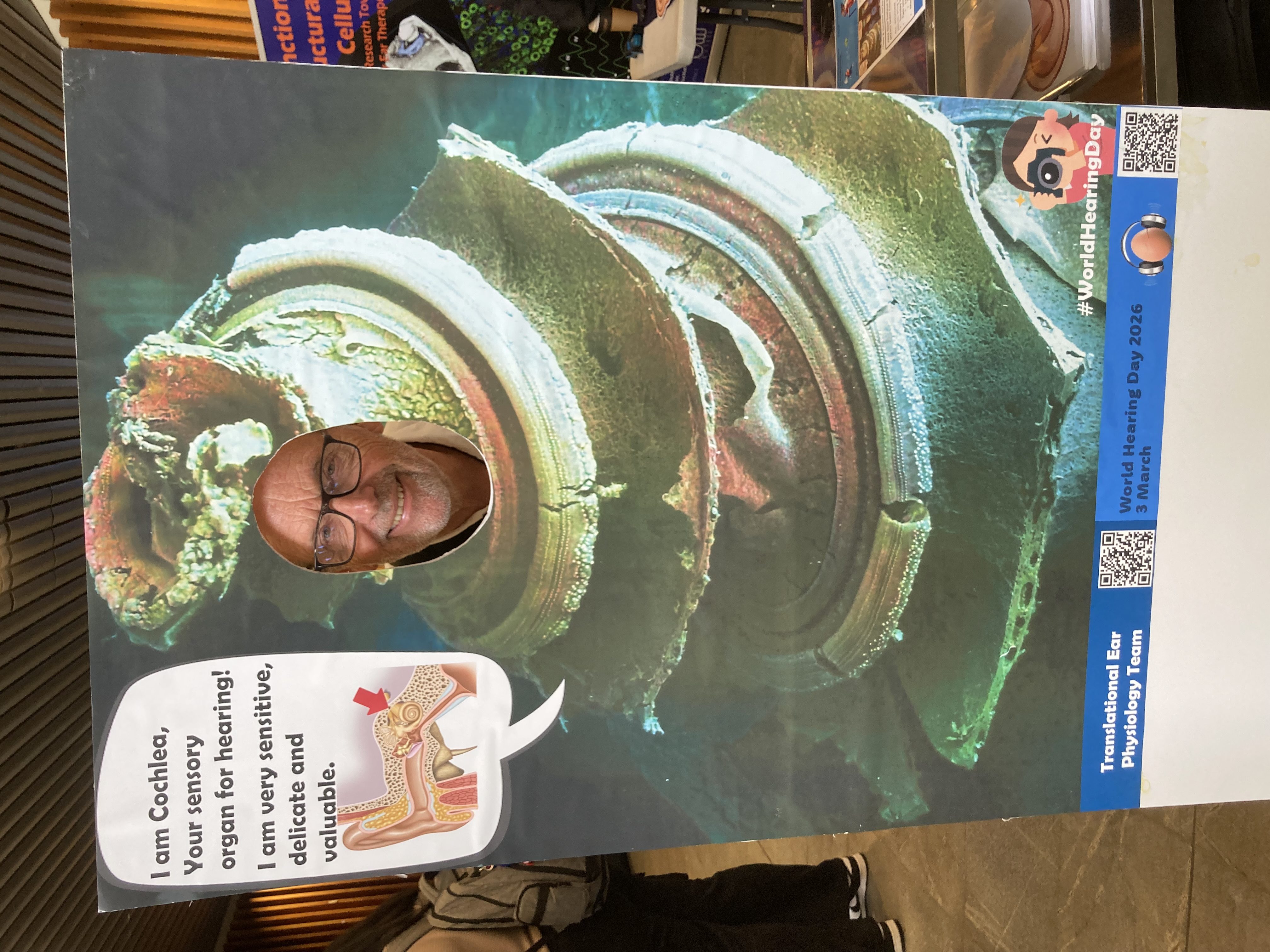
Interactive ear science photo board used in this event
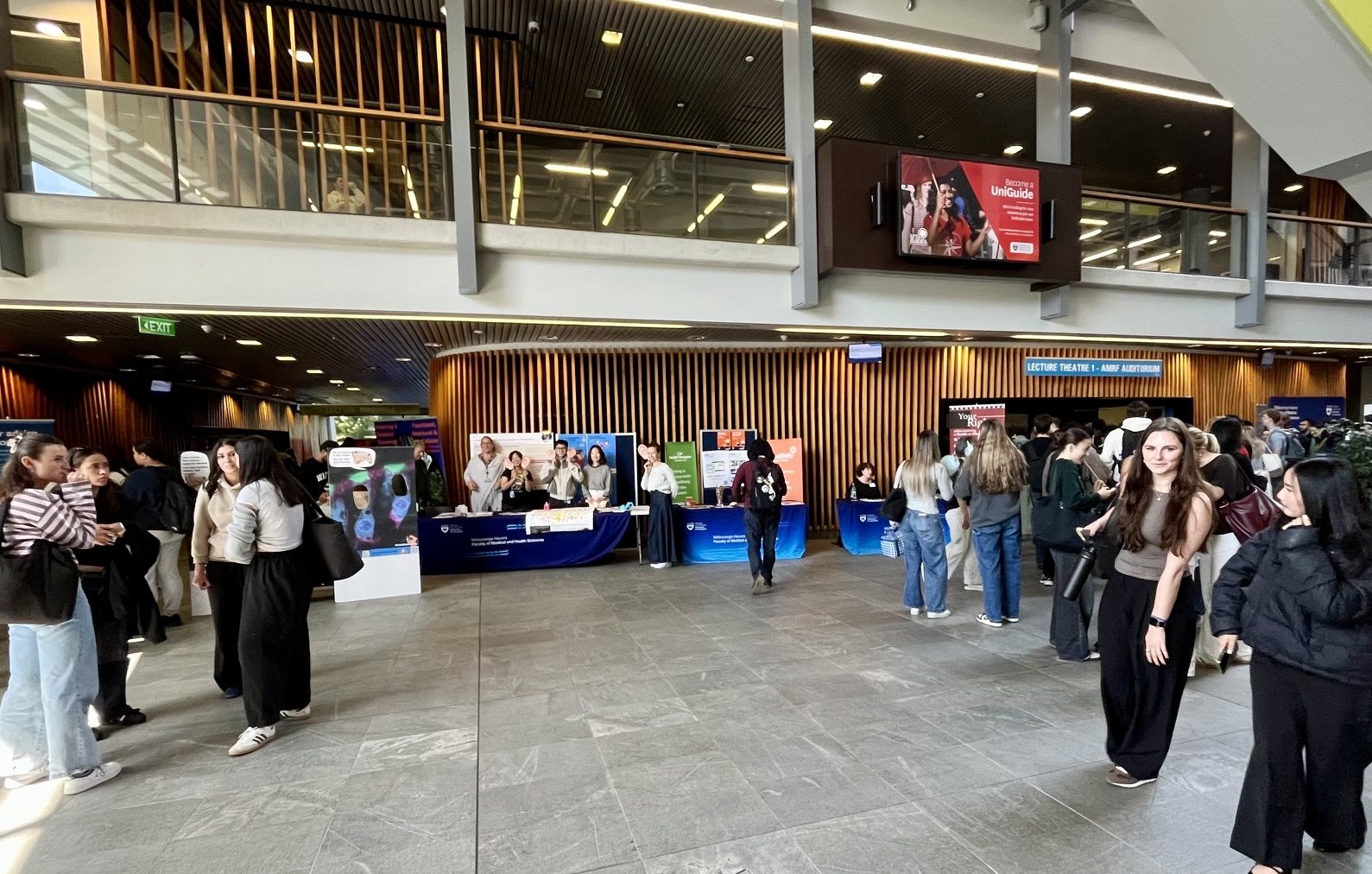
The World Hearing Day stand in Auckland University Campus
Types of Engagement:
Live event: Yes
Screening: No
Traditional media: No
Social media: Yes
Special needs populations: persons with disabilities (including hearing loss), migrants or refugees, indigenous communities
Met with individual policymaker: No
Participation of policy makers: No
Participation of influencers: No
WHO technical tool used: Yes
WHO educational and social media used: Yes