Organization: BVVS institute of speech and hearing, Bagalkote, Karnataka
Title: World hearing day activities
Al title (for format and translation – not permanent:
World Hearing Day activities
Description:
A series of activities was conducted to promote hearing health awareness, early identification of communication disorders, and inclusive practices within the community. A drawing and art competition was organized for children, including both specially abled and normal hearing students, in an inclusive school setting. The theme focused on hearing health, communication, and inclusion. The event encouraged creativity and self-expression while promoting awareness about hearing-related issues. Certificates and prizes were awarded to recognize talent and encourage participation.
A fancy dress competition was conducted for children with hearing impairment to enhance confidence, stage participation, and social interaction. The event celebrated abilities rather than disabilities and provided a platform for children to showcase their talents. Parents, caretakers, and individuals attending therapy actively participated and supported the children.
Free speech, language, and hearing screening camps were conducted in selected schools to identify hearing impairment, speech sound disorders, language delays, and voice disorders. Screening was carried out using otoscopy and basic hearing screening tools by trained ENT and audiology teams. Children identified with suspected concerns were referred to the institute for detailed assessment and intervention. Those with suspected ear disease or hearing loss were referred through established pathways to S.N. Medical College Hospital for further evaluation and treatment.
Awareness programs were conducted for teachers to facilitate early identification of hearing and speech problems in classrooms. Sessions focused on classroom indicators of hearing loss, red flags for speech and language delay, inclusive education practices, and referral procedures. Teachers were educated about common ear problems in children, the impact of classroom noise, prolonged exposure to loud sounds, and untreated ear infections on learning and development. Practical strategies were provided to help create hearing-friendly classroom environments.
Faculty members and clinicians published articles in local newspapers highlighting prevention of hearing loss, the importance of early intervention, available services at the institute, and the significance of World Hearing Day. This initiative ensured broader community outreach beyond institutional settings.
A public awareness rally was organized to educate the general public about noise-induced hearing loss, the importance of hearing protection, and early screening. Placards, slogans, and educational materials were used to disseminate key messages. The rally was conducted in collaboration with national and state health programmes, including the NPPCD, RBSK, ICDS), and the National Health Mission (NHM).
A street play was staged to sensitize the community about early signs of hearing loss in children, the consequences of delayed intervention, and available rehabilitation services. This interactive method effectively engaged the public and strengthened awareness. Interactive sessions were conducted for school students focusing on safe listening practices and prevention of noise-induced hearing loss. Students were educated about harmful behaviors such as high-volume headphone use, prolonged exposure to loud music, and inserting objects into the ear. Emphasis was placed on protective measures, including maintaining safe volume levels, taking listening breaks, and seeking medical help for ear-related symptoms. A dedicated awareness session was conducted for parents of young children, emphasizing speech and language developmental milestones, early warning signs of communication disorders, and the importance of early identification and intervention. The role of parental involvement in therapy was highlighted. Common myths related to ear care were addressed, and correct hygiene practices were promoted. Informational posters and handouts were distributed in schools to reinforce awareness, particularly for rural populations. Capacity-building activities were also conducted for frontline health workers, including Village Health Nurses (VHN), School Health Nurses (SHN), Anganwadi workers, and members of the School Health Programme (RBSK). Training focused on early identification, basic ear care, counseling, and referral mechanisms, thereby strengthening the continuum of care from the community level to tertiary services.
Primary site: SEAR- India
Region: SEAR
Impactful Story:
• Increased awareness regarding hearing health across various sectors.
• Early identification of children with communication disorders.
• Strengthened collaboration between educators, medical professionals, and speech & hearing specialists.
• Enhanced community participation in preventive hearing care.
• Promotion of inclusive practices for children with hearing impairment.
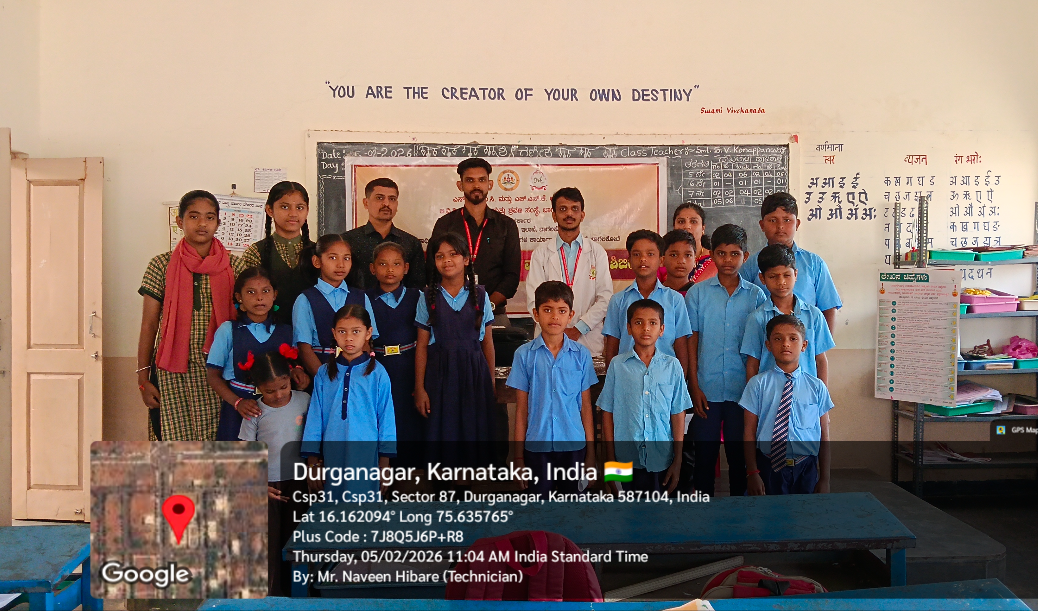
General Photos
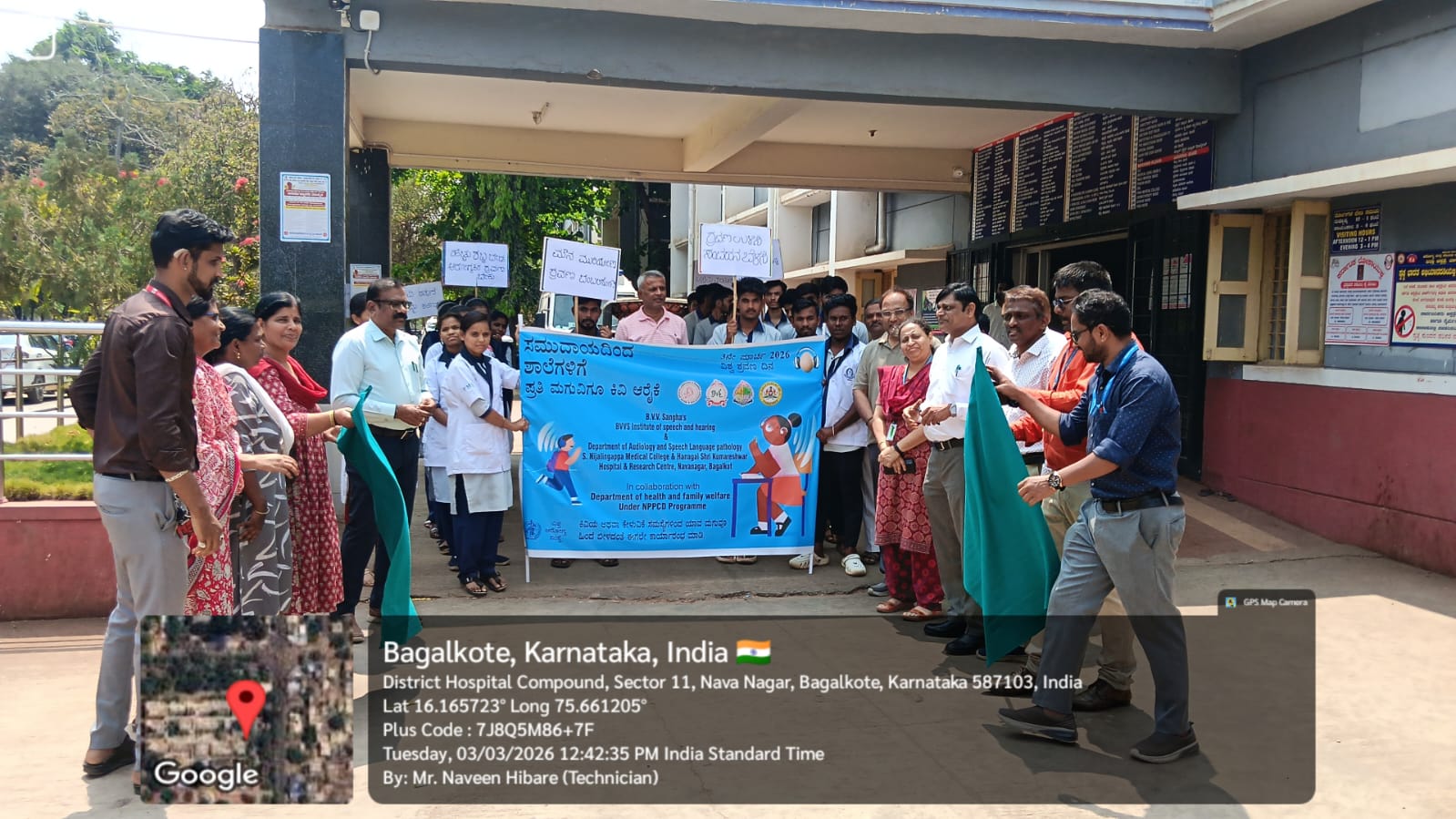
WALKATHON IN COLLABORATION WITH GOVT.
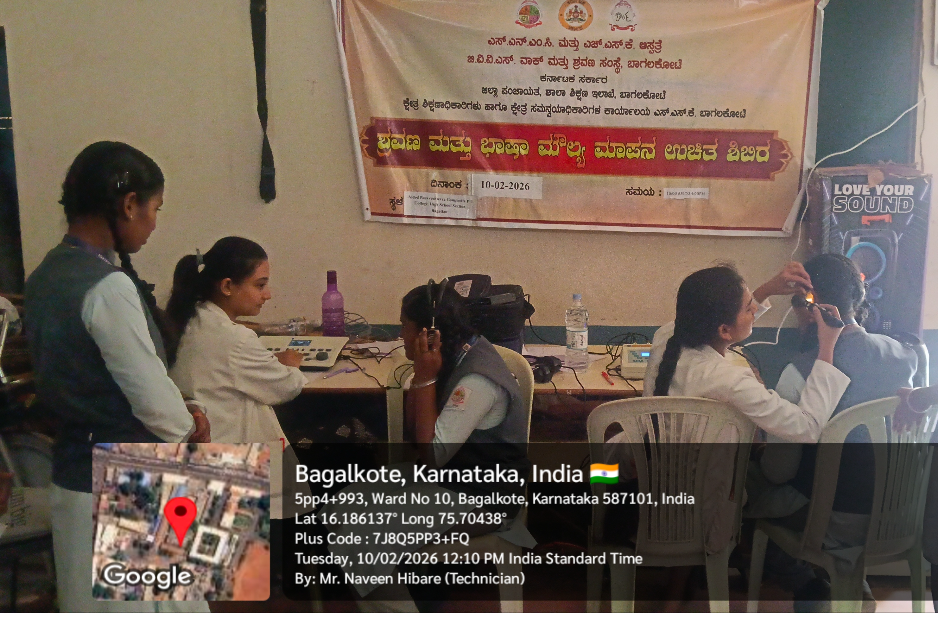
SCHOOL SCREENING CAMP
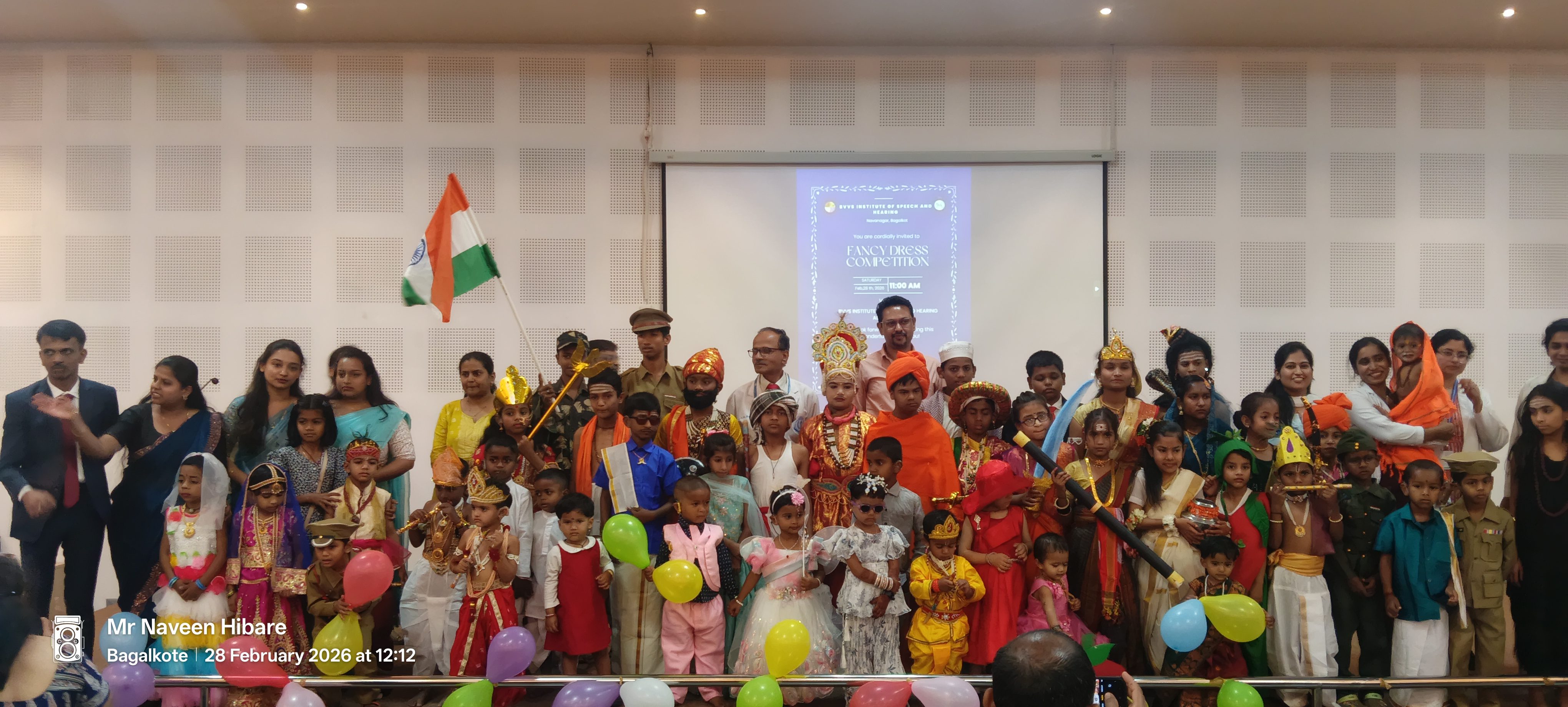
FANCY DRESS COMPETITION
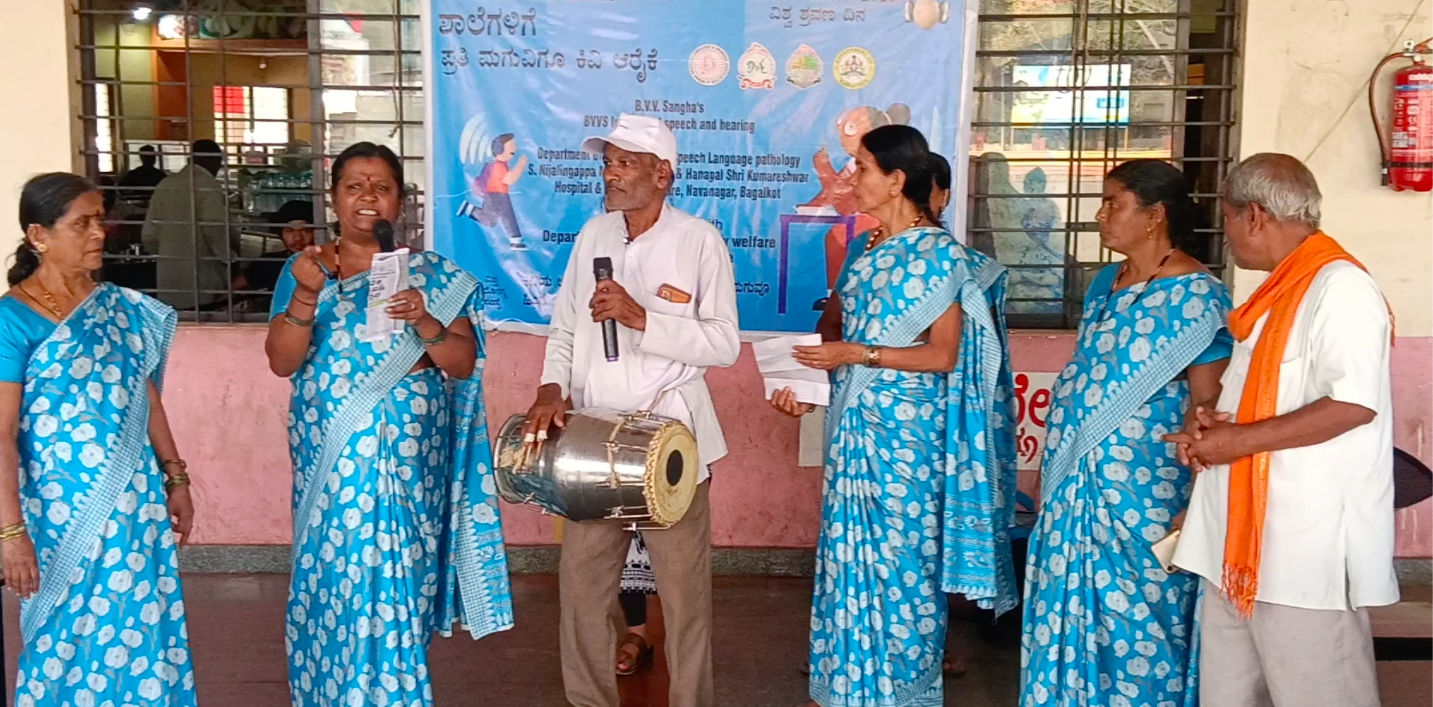
STREET PLAY
Types of Engagement:
Live event: No
Screening: Yes
Traditional media: Yes
Social media: Yes
Special needs populations: persons with disabilities (including hearing loss), children and adolescents
Met with individual policymaker: Yes
Participation of policy makers: Yes
Participation of influencers: No
WHO technical tool used: No
WHO educational and social media used: Yes