Organization: Philippine National Ear Institute
Title: School Hearing Screening on World Hearing Day
Al title (for format and translation – not permanent:
School hearing screening on World Hearing Day
Description:
An ear and hearing screening event with ENT residents from the Philippine General Hospital, Speech and Language Pathology students and faculty of the University of the Philippines College of Allied Medical Professions, as well as the Clinical Audiology students and alumni under the Philippine National Ear Institute. There were 45 learners from the Padre Gomez Elementary School in Santa Cruz, Manila Philippines who were screened for hearing loss, 90% of which are from the special needs department. The screening event composed five stations: History Taking, Otoscopy & Ear Irrigation, Tympanometry, Puretone screening, and Counselling Currently analyzing the results.
Primary site: WPR – Philippines
Region: WPR
Impactful Story:
Pade Gomez Elementary School is a partner institution of the University of the Philippines College of Allied Medical Professions in which they provide speech, physical, and occupational therapy services through its service learning program. The school has been clamoring the college to have a hearing screening event as well. The Philippine National Ear Institute decided to partner with them to provide this needed service and to building school-based audiology rotation for the Masters in Clinical Audiology students.
General Photos

Parents and children together with teachers
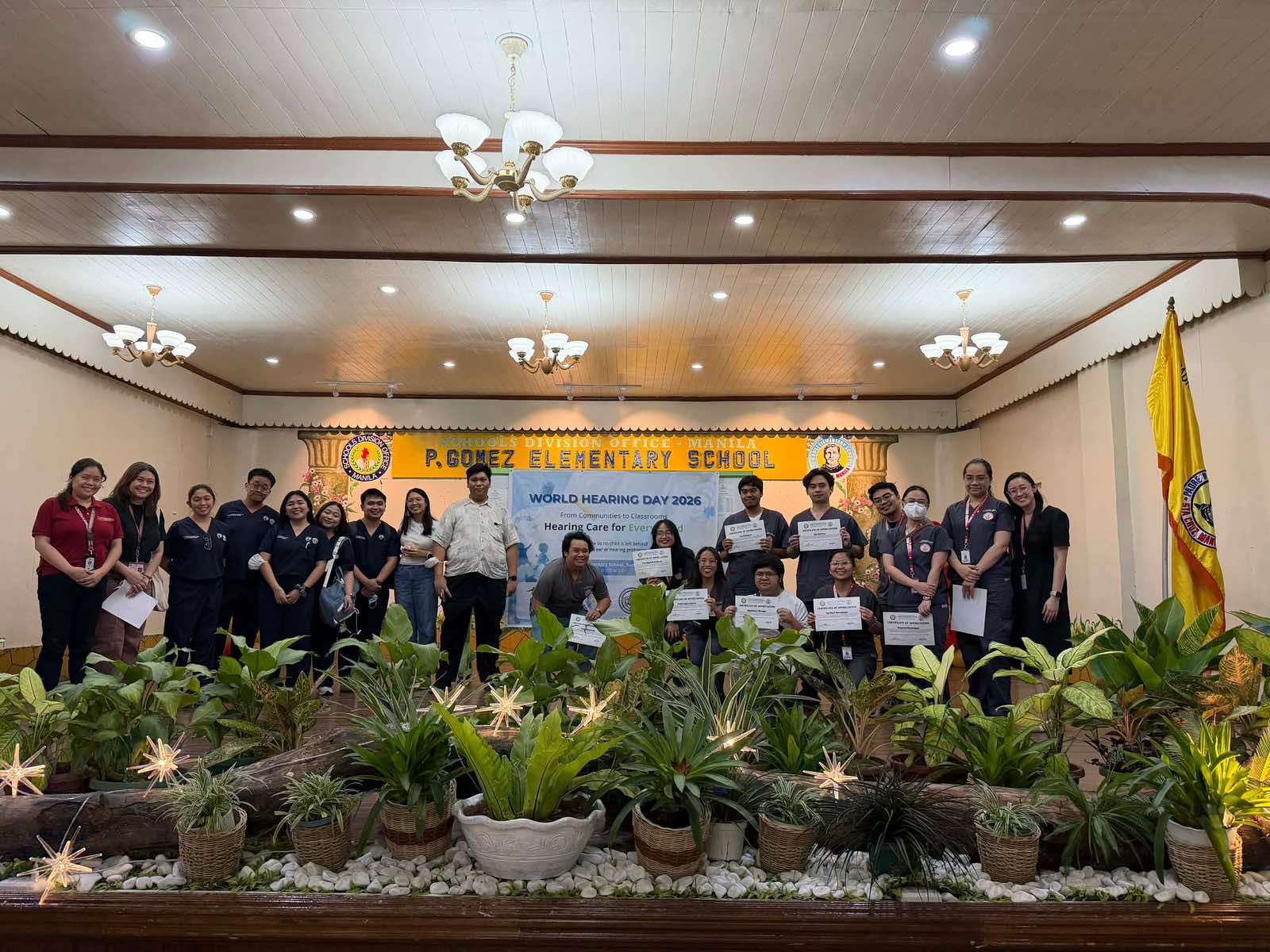
Student volunteers for World Hearing Day
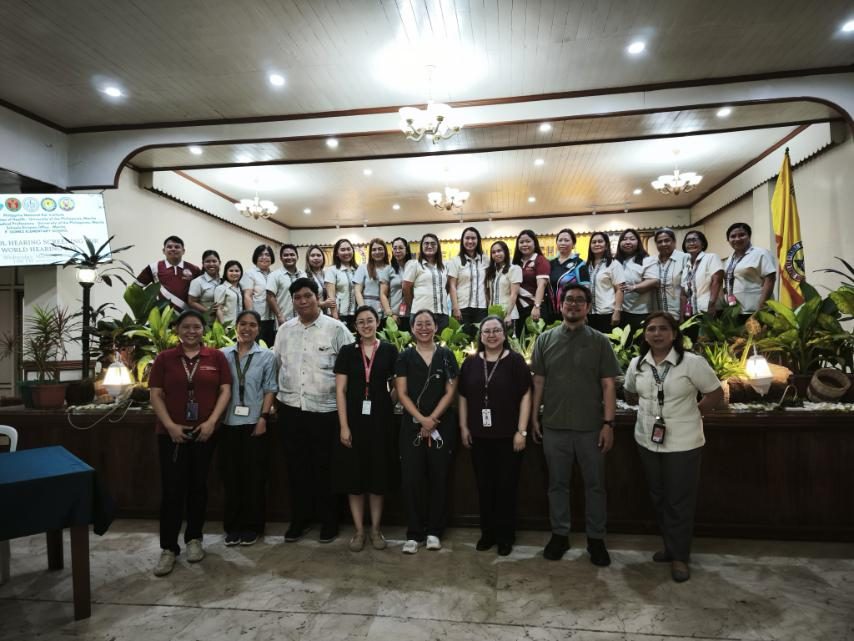
Philippine National Ear Institute with PGES teachers
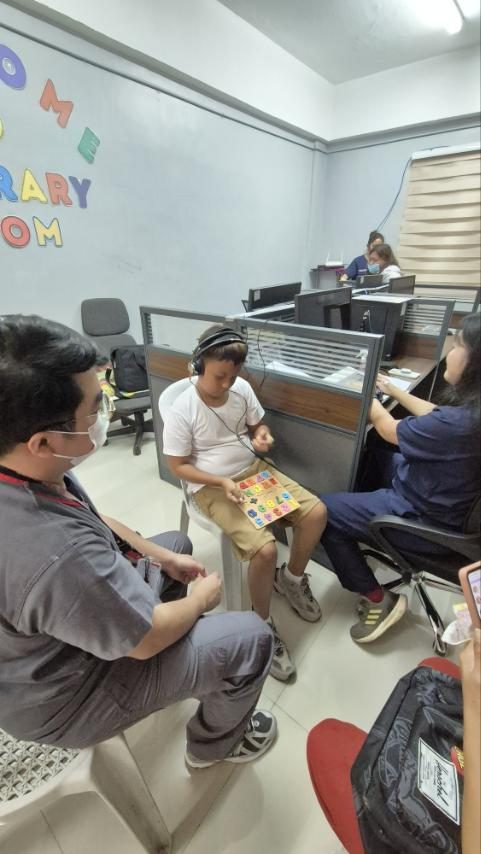
Boy for school hearing screening
Types of Engagement:
Live event: No
Screening: Yes
Traditional media: No
Social media: No
Special needs populations: persons with disabilities (including hearing loss), children and adolescents, Children with special needs
Met with individual policymaker: No
Participation of policy makers: Yes
Participation of influencers: No
WHO technical tool used: No
WHO educational and social media used: Yes