Organization: Hearing Health Rwanda (HHR)
Title: World Hearing Day 2026
Al title (for format and translation – not permanent:
World Hearing Day 2026
Description:
World Hearing Day 2026: Strengthening Early Detection and Treatment of Hearing Loss Among School Children in Rwanda
In commemoration of World Hearing Day 2026 with the theme “From Communities to Classrooms: Hearing Care for All Children,” Hearing Health Rwanda in collaboration with the Ministry of Health and the Ministry of Education, highlighted ongoing efforts to promote early detection and treatment of hearing problems among children in Rwanda.
As part of these efforts, Hearing Health Rwanda launched a program to screen and treat ear and hearing conditions among children attending public nursery and primary schools.
The Chairperson of Hearing Health Rwanda, Dr. Kayitesi Batamuliza Mukara, explained that the initiative began in 2019 with the aim of identifying hearing problems at an early stage and ensuring that affected children receive timely treatment and the implementation exercise commenced in October 2025. “Since the launch of this program, more than 12,000 students have been screened for ear diseases in 12 schools out of the 83 schools targeted in the district,”.
Dr. Kayitesi said that, according to the screening results, 15% of the students were found to have ear-related conditions. Among them, 13% had impacted earwax, which can affect hearing, and these students received treatment services including ear cleaning. Two percent were diagnosed with middle ear infections, while 4% were identified with hearing impairment and she emphasized that focusing on school children is critical because untreated hearing problems can negatively affect learning outcomes and academic performance.
She also referred to a previous study conducted in Gasabo District, which showed that children between six months and five years old frequently experience middle ear infections, a condition that can lead to permanent hearing loss if not treated early.
The Head of the Department of School Health and Wellbeing in the Ministry of Education, Nsengiyumva Jean Damascène, highlighted the important role that schools play in monitoring the health of children, while emphasizing that the responsibility begins within families. “When families pay close attention to their children’s health, they can identify early signs of hearing problems and seek appropriate health services in time,” he noted.
He also commended Hearing Health Rwanda for partnering with Ministries of Education and Health to address health challenges affecting school children. The Ministry of Education reaffirmed its commitment to strengthening school health and wellbeing programs to ensure that students learn in healthy and supportive environments.
The Non-communicable Diseases and Mental Health Program Officer at the World Health Organization Rwanda Country Office, Dr. Augustin Gatera, pledged continued support to Hearing Health Rwanda in expanding hearing screening services for children. Thanked the Government of Rwanda that supports such initiatives from the Rwandans.
Primary site: AFR – Rwanda
Region: AFR
Impactful Story:
Nikuze Esther a parent to Keza Cynthia a student in primary four at Kacyiru 1 primary school. “For a long time, neither me nor the teachers had realized that my daughter had a hearing difficulty. When Hearing Health Rwanda conducted screening exercise, Keza was screened and found to have hearing loss and was referred to Humanhood Clinics for further treatment. I am grateful that my daughter received freely treated, which improved her overall wellbeing. I thank you for this hearing screening services in schools to help us discover health issues that might go unnoticed and timely care to our children.
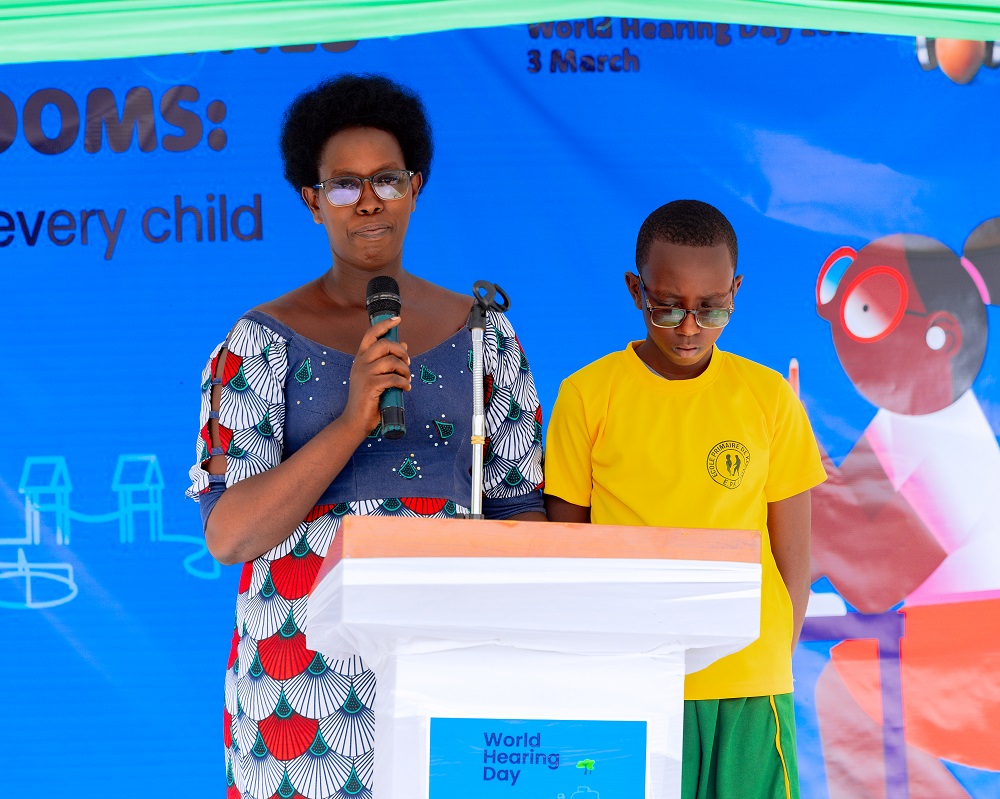
General Photos

Partners and Students
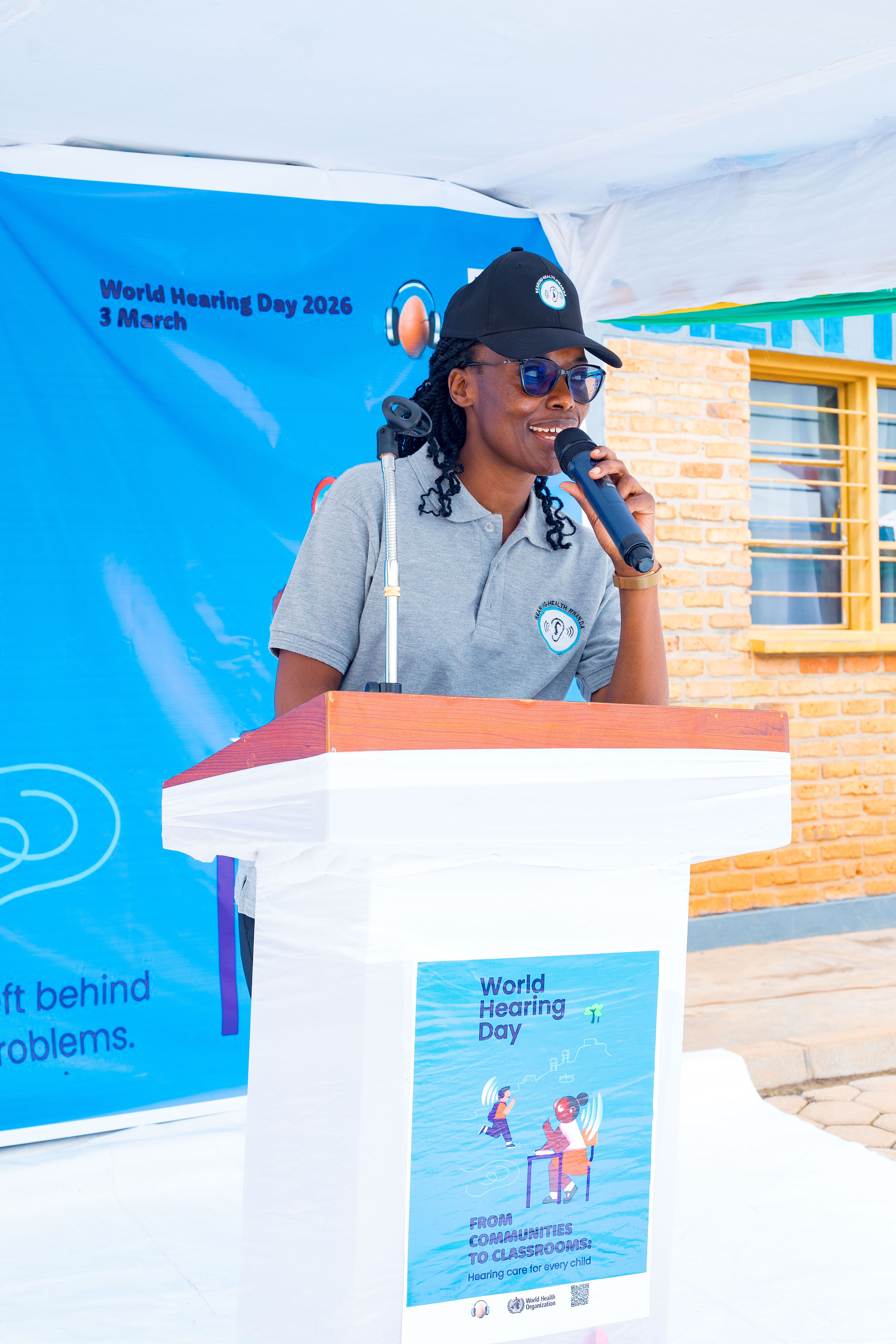
Chairperson of Hearing Health Rwanda giving remarks
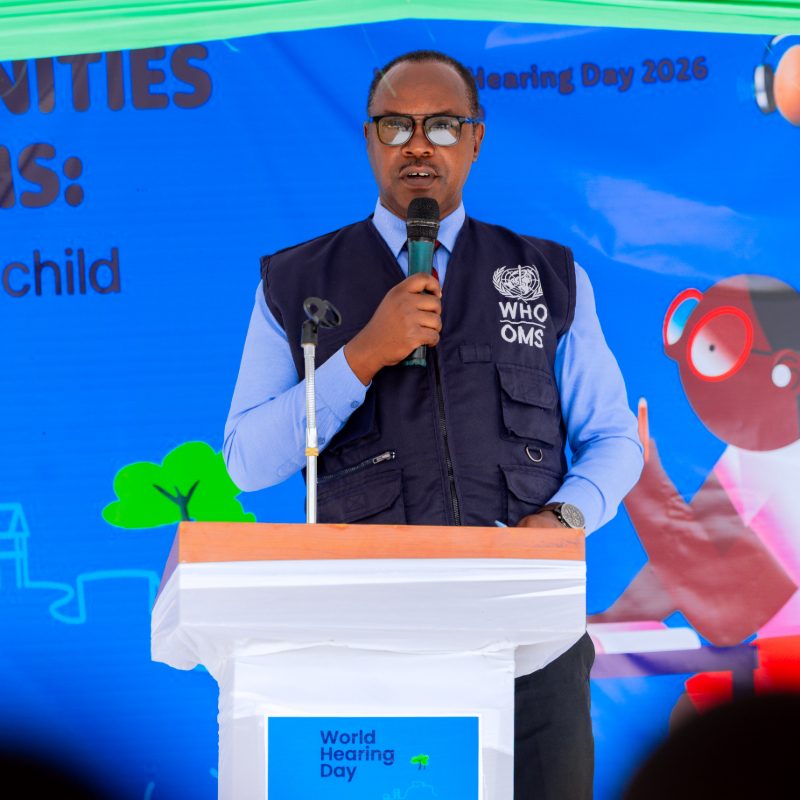
WHO Representative giving remarks
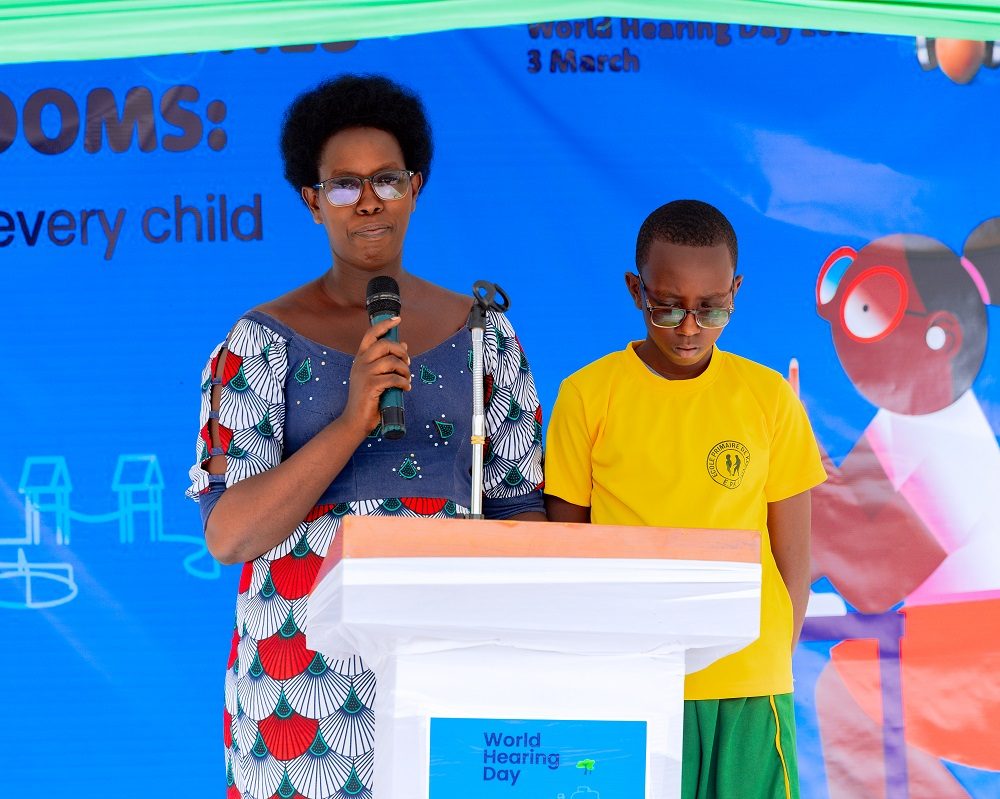
Parent and her daughter (Student) sharing testimony
Types of Engagement:
Live event: Yes
Screening: Yes
Traditional media: Yes
Social media: Yes
Special needs populations: persons with disabilities (including hearing loss), children and adolescents, older adults, migrants or refugees, indigenous communities, rural or remote population
Met with individual policymaker: Yes
Participation of policy makers: Yes
Participation of influencers: Yes
WHO technical tool used: Yes
WHO educational and social media used: Yes