Organization: LAMICARE DISABILITY RIGHTS ORGANISATION UGANDA
Title: From Communities to Classrooms: Integrated Hearing Screening and Empowerment at Kakiri Hub
Al title (for format and translation – not permanent:
From communities to classrooms: integrated hearing screening and empowerment at Kakiri Hub
Description:
In alignment with the World Health Organization’s 2026 theme, “From communities to classrooms: hearing care for all children,” Lamicare Disability Rights Organisation Uganda executed a high-impact clinical and advocacy outreach in the Wakiso District. Recognizing that schools are natural entry points to reach children and teachers, we established a centralized screening hub at the Sign Message School for the Deaf in Kakiri.
The primary objective was to provide professional ear and hearing care to students from 3 Schools and the surrounding Buwanuka village who had previously lacked access to such specialized services. Our clinical team utilized professional otoscopy and hearing sensitivity assessments to conduct systematic screenings for 170 children.
The results underscored the urgent need for integrated school health programs: we identified 26 children over 15% of the screened population with significant ear pathologies or hearing loss. These cases ranged from treatable infections and impacted cerumen to suspected sensorineural hearing loss. To ensure these children did not face long-term impacts on their development and education, Lamicare issued official referral slips to the Mulago National Referral Hospital for advanced audiological management.
Beyond clinical metrics, the event prioritized the psychological empowerment of the students. To combat the stigma often associated with hearing impairments, we branded the outreach as “Hearing Hero”. Every participant was celebrated as a “Hearing Hero” and received a commemorative tag to symbolize their bravery and self-worth. The day culminated in a joyful, high-energy assembly where children and teachers engaged in singing, dancing, and a powerful “I am the best, we are the best” chant, reinforcing a sense of possibility and inclusion.
To amplify our advocacy, the event was documented for a digital campaign, showcasing the vibrant reality of inclusive education in Uganda. By integrating early identification with community celebration, Lamicare demonstrated that simple, cost-effective public health measures can change the trajectory of a child’s life. We remain committed to ensuring that every child in our community has the opportunity to hear, learn, and succeed.
Primary site: AFR – Uganda
Region: AFR
Impactful Story:
At the Sign Message School hub, Lamicare screened 170 pediatric students, identifying 26 children (15.3%) with urgent ear pathologies. These students received official referrals to Mulago National Referral Hospital for specialist care, preventing long-term educational delays. Beyond clinical metrics, the “Hearing Hero” campaign transformed the medical experience into a celebratory empowerment rally. By integrating high-energy advocacy with systematic screening, we reached 240 community members and 1,200+ digital viewers. This activity proved that early identification, paired with stigma-reduction, ensures every child has the opportunity to hear, learn, and succeed.
General Photos
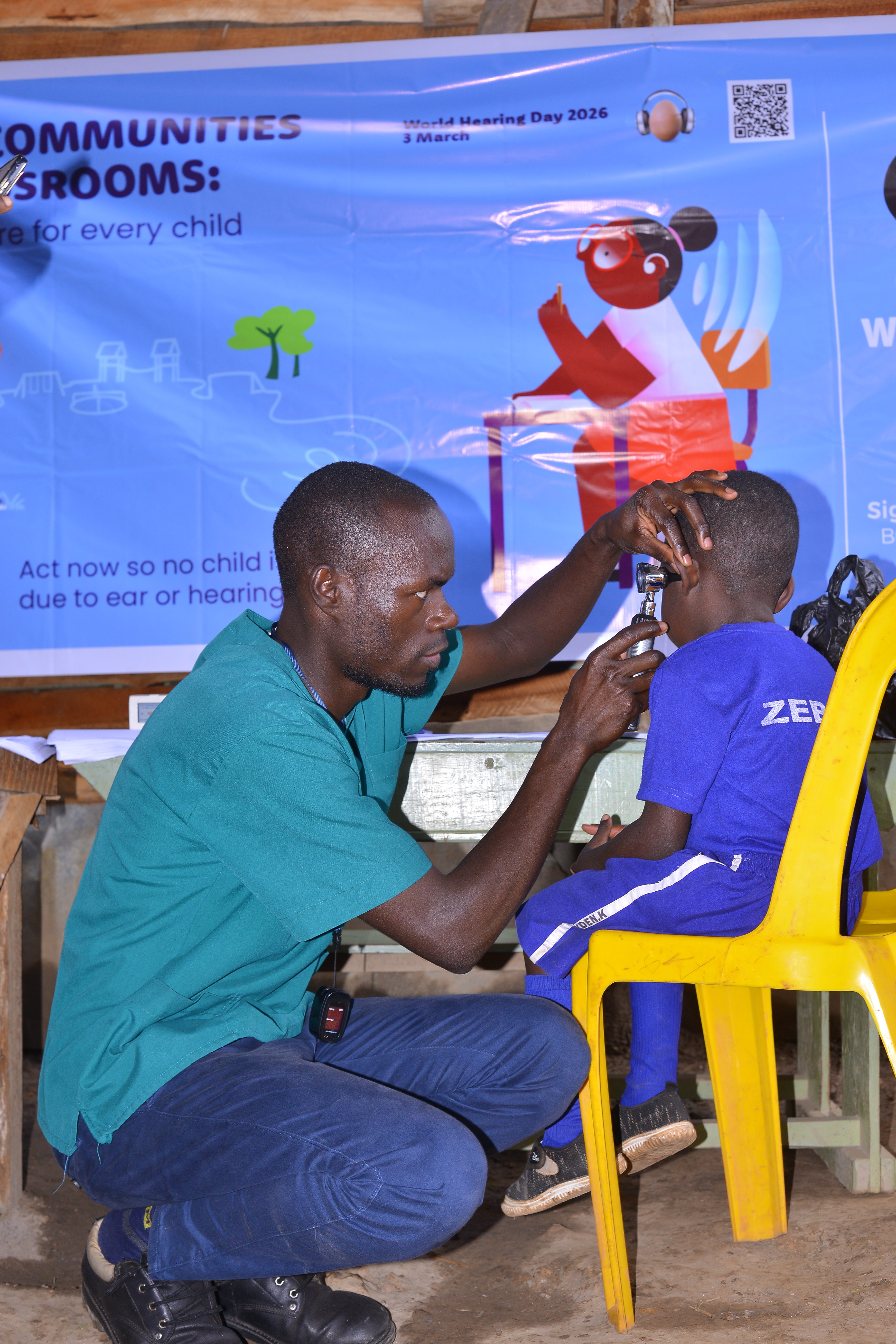
Professional otoscopy identifying pediatric ear pathology.
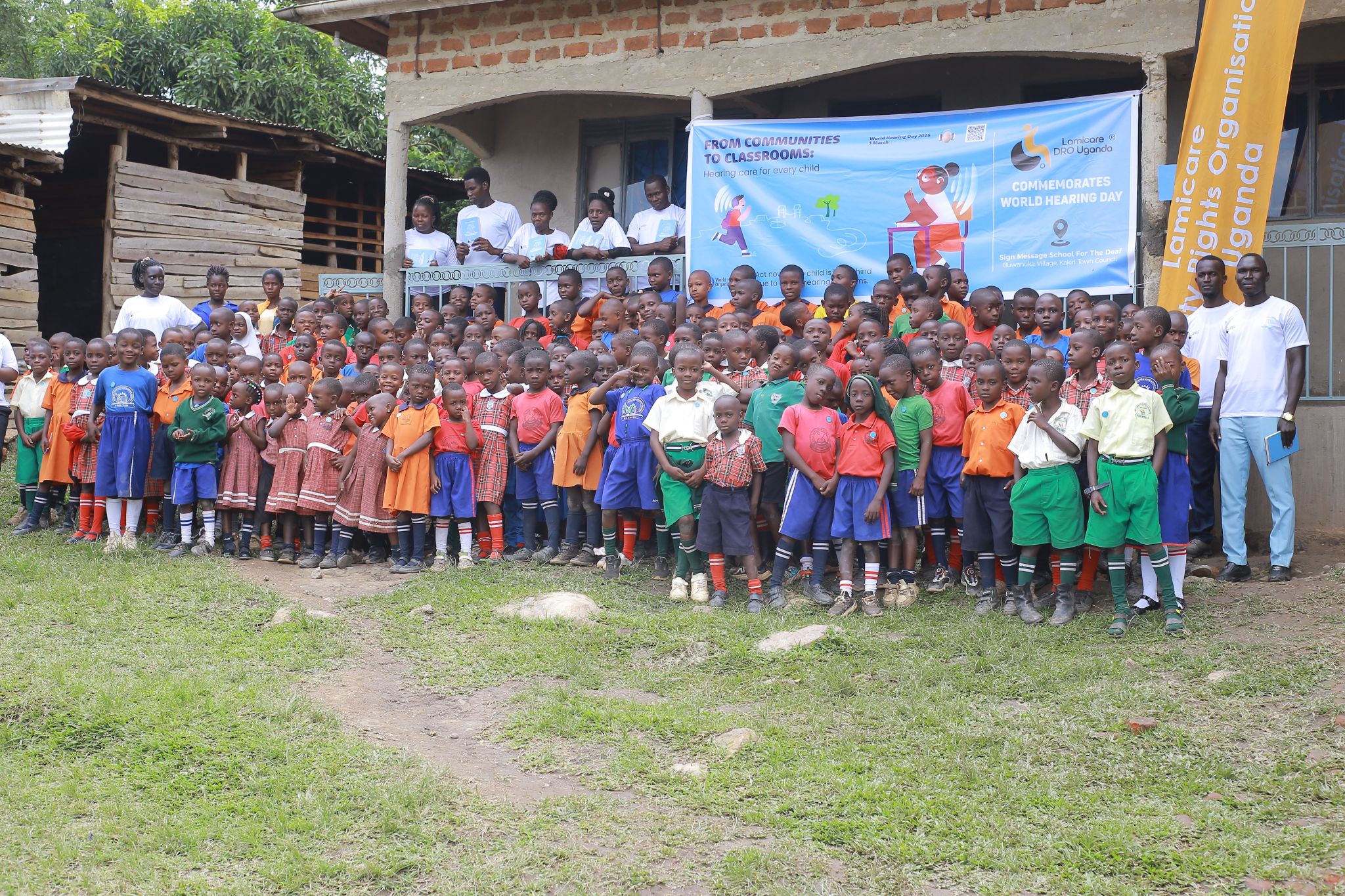
170 students united for school-based hearing screening.
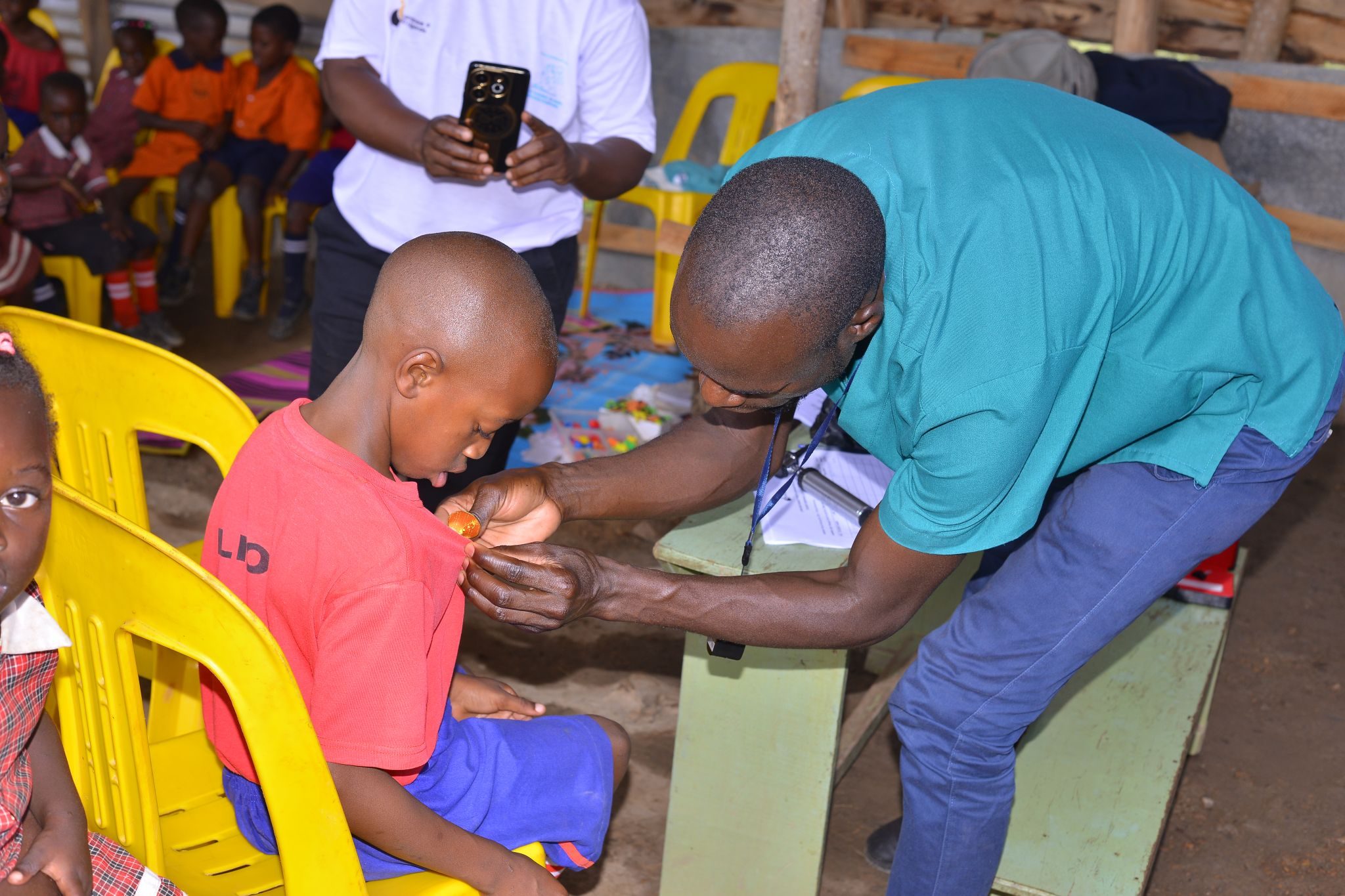
Empowering children to overcome disability stigma.
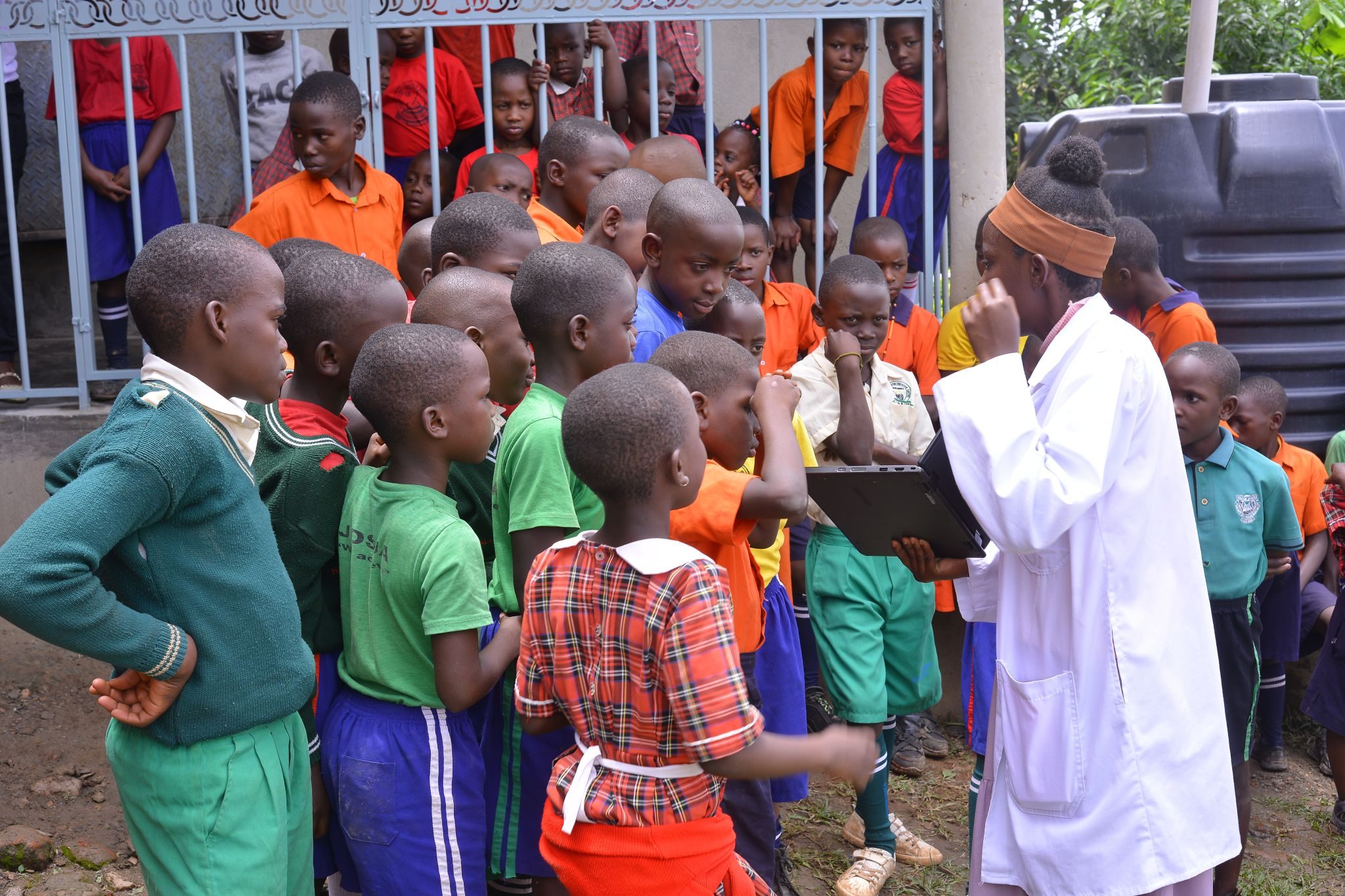
Teaching ear hygiene and the importance of early care.
Types of Engagement:
Live event: Yes
Screening: Yes
Traditional media: No
Social media: Yes
Special needs populations: persons with disabilities (including hearing loss), children and adolescents, rural or remote population, Our activity specifically targeted children in mainstream schools who often lack the specialized support found in deaf-only institutions. These at-risk students are frequently misdiagnosed with learning disabilities when, in reality, they are struggling with undiagnosed hearing loss. By bridging the gap between mainstream and special education schools, we reached a population that is often invisible in traditional healthcare planning.
Met with individual policymaker: No
Participation of policy makers: Yes
Participation of influencers: No
WHO technical tool used: Yes
WHO educational and social media used: Yes