Organization: Bethel-Goshen Clinic
Title: From Communities to Classrooms: Hearing Care for all Children
Al title (for format and translation – not permanent:
Hearing care for all children
Description:
World Hearing Day 2026 Activities by Bethel–Goshen Clinic
Theme: “From Communities to Classrooms – Hearing Care for All Children”
In commemoration of World Hearing Day 2026, Bethel–Goshen Clinic organized a three-day outreach and screening program in the Kweiman community. The initiative aimed to raise awareness about ear and hearing care, promote early detection of hearing problems among children, and educate parents, caregivers, teachers, and community members on the importance of protecting hearing health.
The activities began with a public education and hearing screening exercise at the Church of Pentecost (Kweiman), where our team of health professionals educated over 200 parents and children, and conducted ear examinations and hearing assessments for children. The screening included outer ear inspection, examination using an otoscope, simple hearing assessments, and checks for ear discharge, impacted wax, or foreign bodies.
A total of 80 children aged between 2 and 12 years were screened. The majority had normal findings, while some presented with impacted ear wax and signs of ear infection. These children were referred to Bethel–Goshen Clinic for further medical examination and management.
During the screening, foreign objects such as pieces of eraser, small sticks, and tiny stones were found in the ears of three children. These objects were safely removed at the clinic, and the children received appropriate treatment.
Health education formed an important part of the outreach. Parents and children were educated on safe ear care practices, including avoiding the insertion of objects into the ear, seeking early medical attention for ear pain or discharge. The importance of regular ear checks was also emphasized.
At the church, we held an exclusive interraction session with the church leaders on the need for periodic education on ear health.
A community health talk was also held at our Child Welfare Clinic, where 24 mothers and caregivers were educated on the causes of hearing loss in children, early warning signs of hearing difficulties, and proper ear hygiene practices. Children under five years who attended the clinic were screened using an otoscope to detect possible ear conditions.
Following the clinic session, the health team conducted home visits within the Kweiman community to extend hearing health education beyond the health facility. During these visits, families were educated on safe listening habits and the prevention of hearing damage. Parents were encouraged to observe their children for early signs of hearing challenges and to seek medical attention when necessary. We also educated workers in high-noise areas such as block factories and bars within the community on the importance of ear protection while working. We also met with political and opinion leaders in the community, and appealed to them to encourage the community to participate in the screening activities.
The outreach activities concluded with a school-based awareness program and hearing screening at Priberts Montessori School on 3 March 2026. With the help of WHO resources and dummies, our clinic staff delivered an educational talk to over 150 pupils and teachers on ear hygiene, causes of hearing loss, and preventive measures. We distributed WHO flyers on tips for healthy ears with the pupils. Pupils also participated in an interactive question-and-answer session to reinforce their understanding. Hearing screening was conducted for 50 pupils whose parents had given consent, and 10 teachers. Pupils with impacted ear wax and foreign bodies in ears were referred to Bethel–Goshen Clinic for further examination.
Overall, the Bethel-Goshen Clinic World Hearing Day 2026 outreach activities successfully raised awareness about hearing health in the Kweiman community and highlighted the importance of collaboration between families, health workers, and schools in protecting children’s hearing, ear health and well-being.
Primary site: AFR – Ghana
Region: AFR
Secondary sites:Greater Accra
Impactful Story:
During our screening exercise in a school and within the community, foreign objects such as pieces of eraser, small sticks, and tiny stones were discovered in the ears of three children. It was reported that one of the children among the three had been having difficulties with hearing. The discovered objects were safely removed at our clinic, after which the children received the necessary treatment. In addition, they were educated on the dangers of inserting objects into the ear and how to protect their hearing.
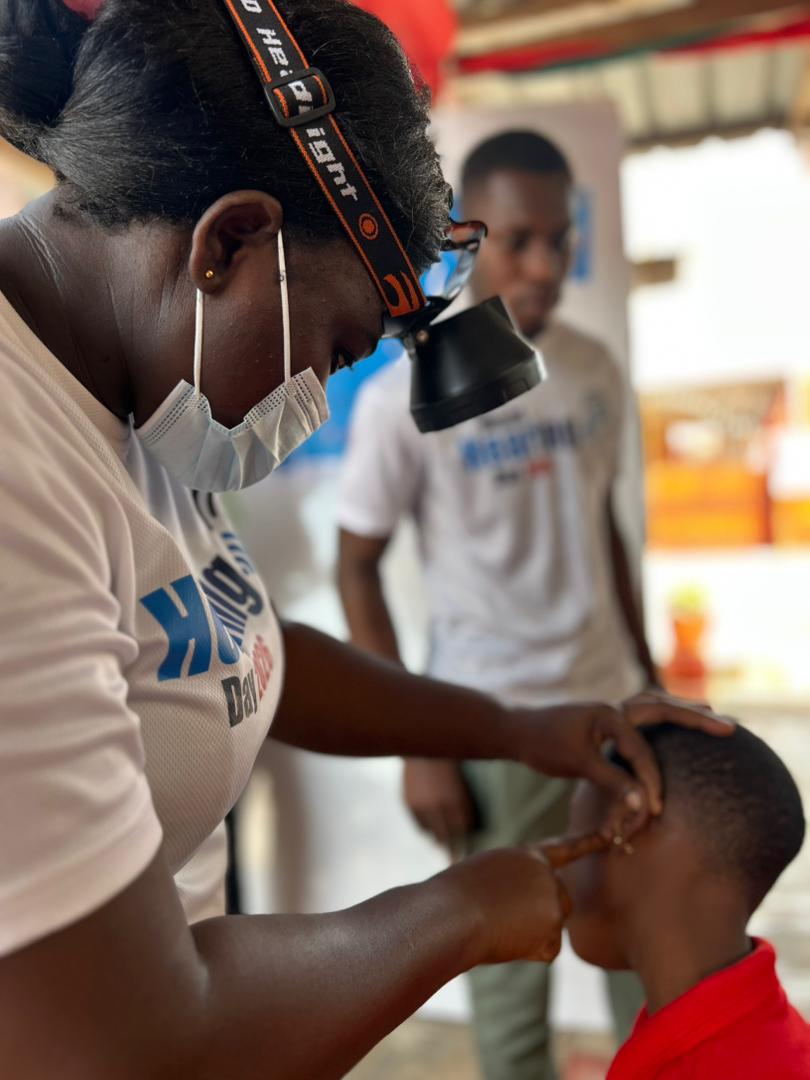
General Photos
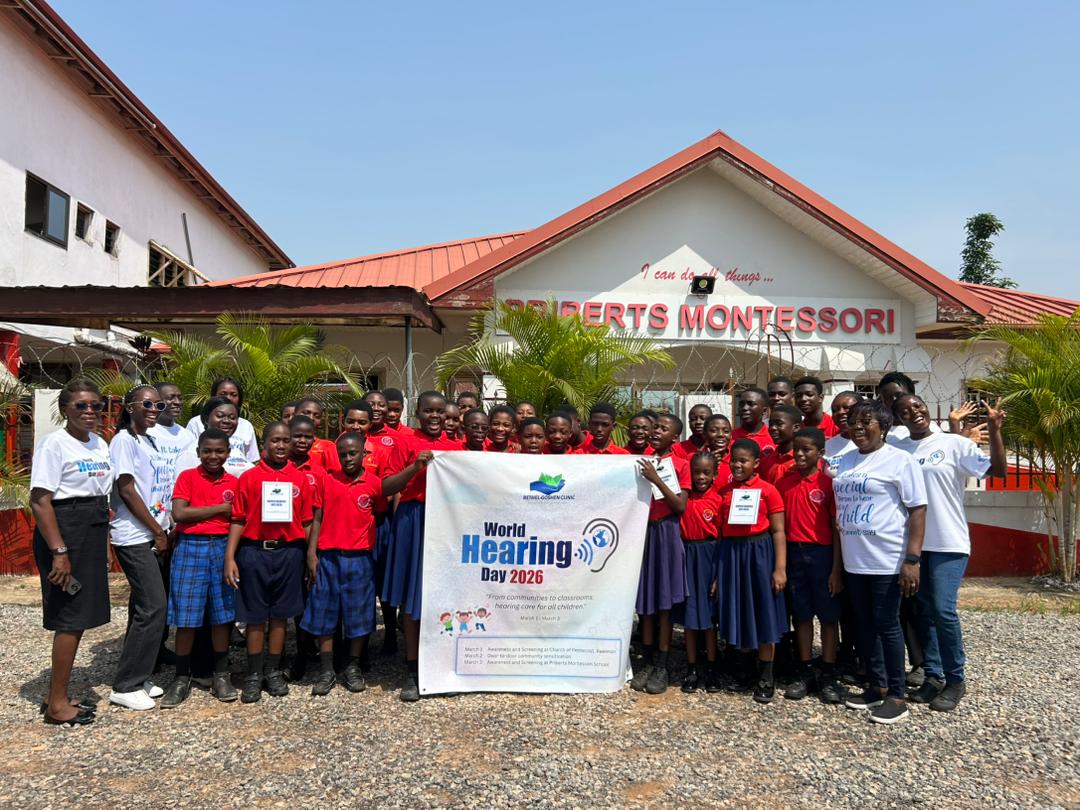
World Hearing Day with Priberts Montessori School, Kweiman
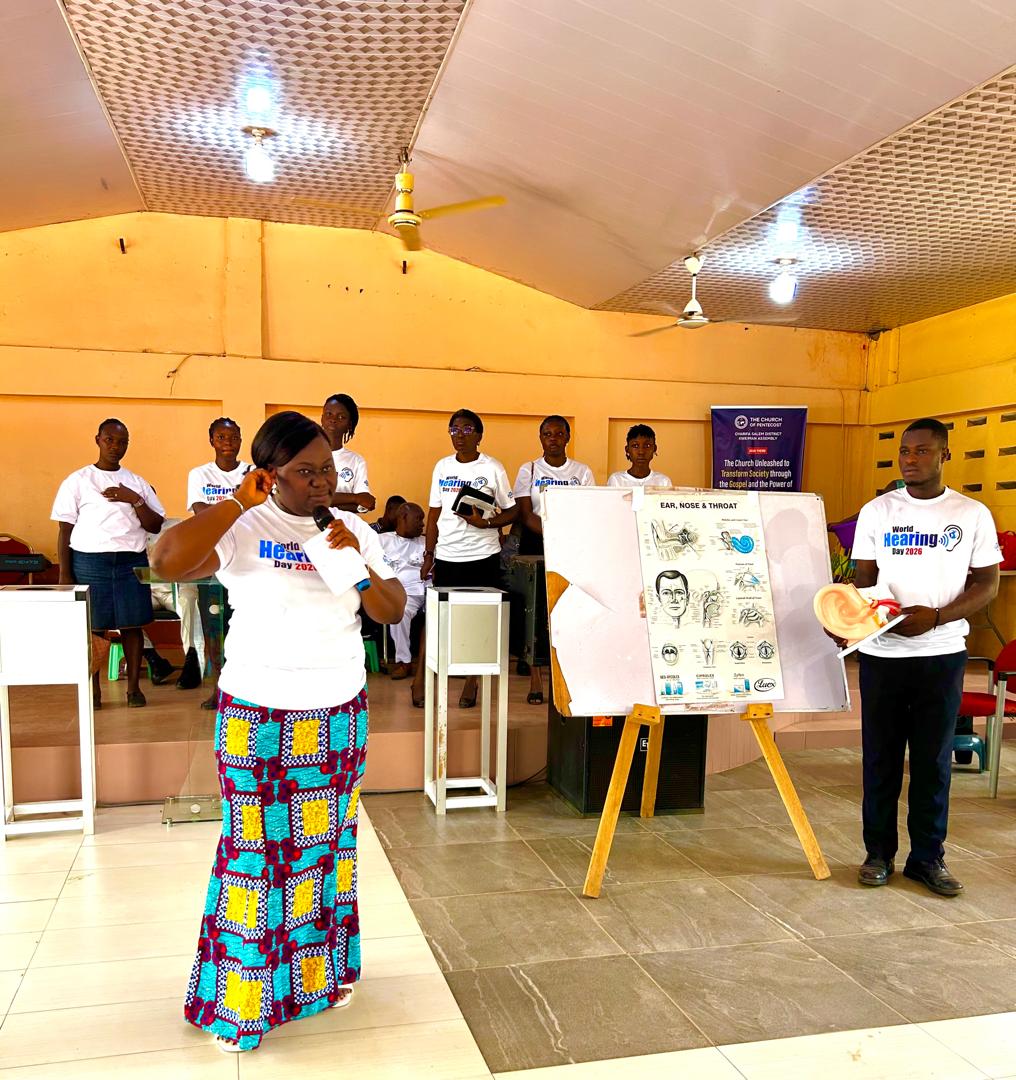
Education at Kweiman Pentecost Church
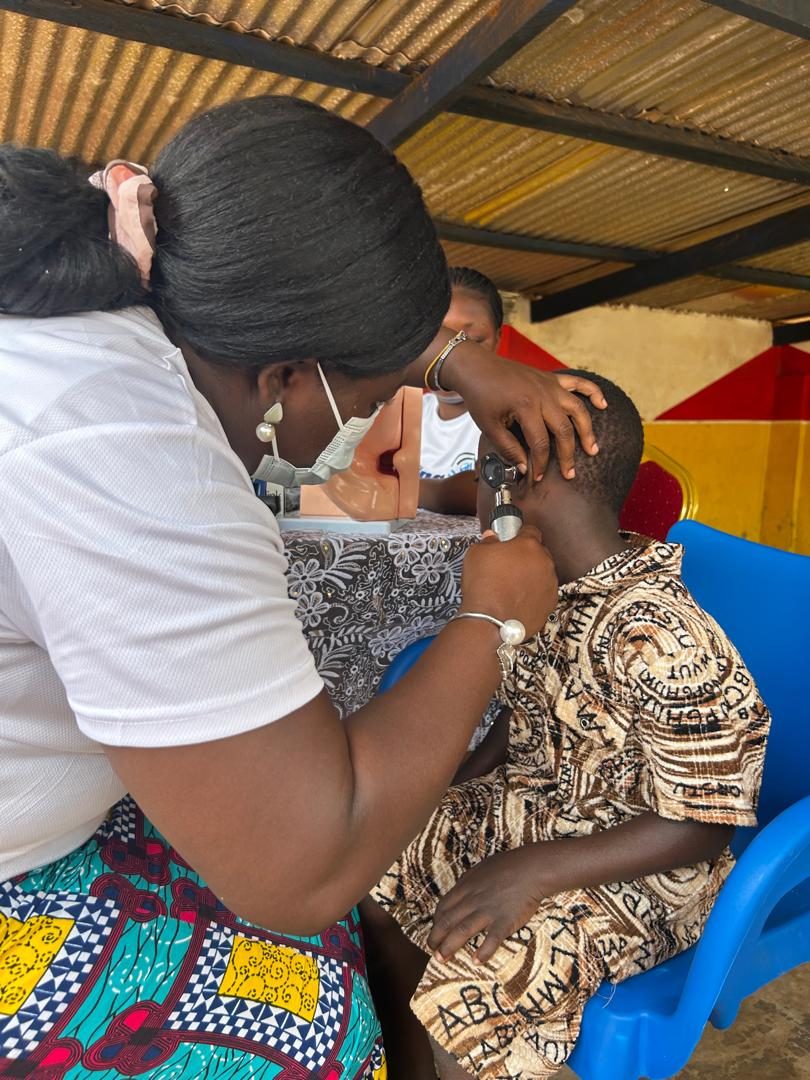
Screening in the Community
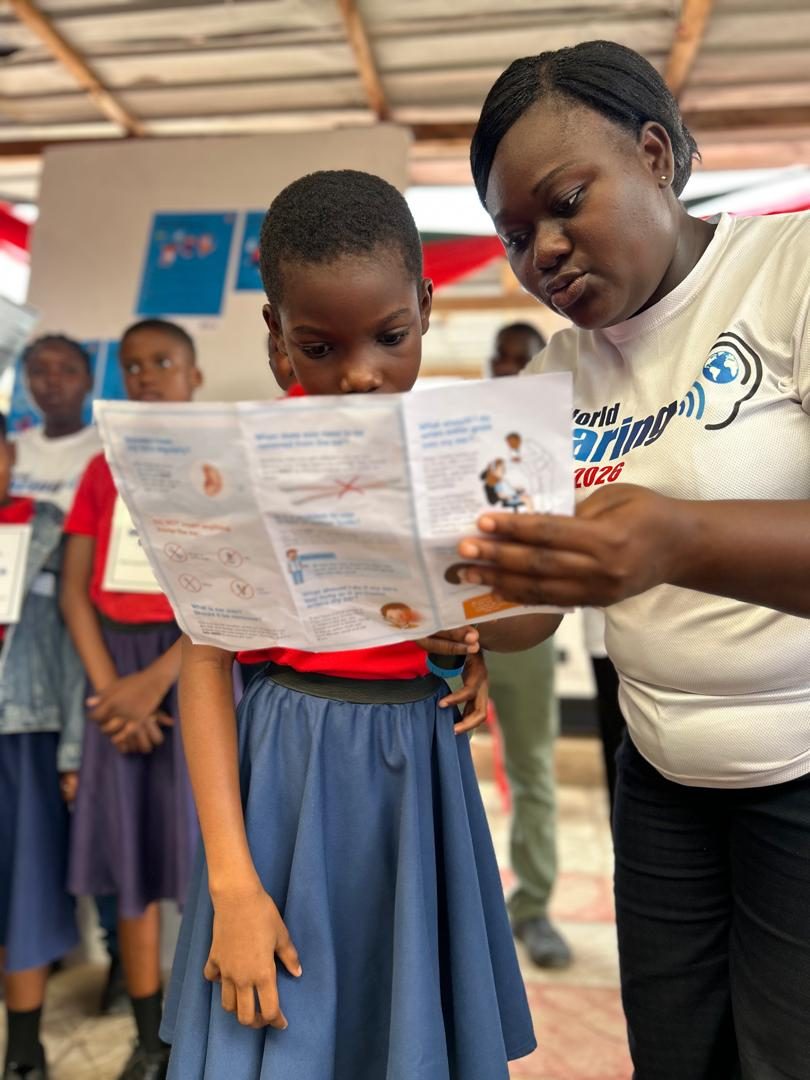
Education with WHO flyers at school
Types of Engagement:
Live event: Yes
Screening: Yes
Traditional media: No
Social media: Yes
Special needs populations: children and adolescents, rural or remote population, Workers at high-noise working environments in the community
Met with individual policymaker: Yes
Participation of policy makers: Yes
Participation of influencers: No
WHO technical tool used: Yes
WHO educational and social media used: No