Organization: Otorhinolaryngological Society of Nigeria (ORLSON)- Sokoto sate Branch.
Title: World Hearing Day 2026
Al title (for format and translation – not permanent:
World Hearing Day 2026
Description:
Report on the Celebration of World Hearing Day 2026 by the Otorhinolaryngology Society, Sokoto (Summary)
Introduction
Otorhinolaryngology Society, Sokoto celebrated world hearing day 2026 on the 3rd of March with the theme, “From communities to classroom: hearing care for all children”. A multidisciplinary team consisting of 10 doctors, 25 nurses, 2 audiologists, and a speech therapist participated in the program. The team was divided into three groups to enable simultaneous visits to selected schools within Sokoto between 9:00 am and 12:00 noon.
Objectives of the Outreach
The outreach program aimed to:
1. Increase awareness about ear and hearing health.
2. Educate pupils, teachers, and parents on preventive ear care practices.
3. Conduct hearing screening among school children.
4. Identify individuals with ear or hearing problems and refer them for further evaluation and treatment.
Activities Conducted
The outreach teams visited three schools in Sokoto:
• Yakubu Muazu Science Model Primary School
• Sultan Bello Secondary School
• A. A. Raji Special School
Several activities were carried out.
Health Education:
Health talks were delivered to pupils, teachers, and parents focusing on ear hygiene, prevention of ear infections, recognition of early signs of hearing loss, and the importance of seeking prompt medical attention when ear problems occur. These sessions helped improve awareness and encouraged healthy ear care practices among the school communities.
Hearing Screening:
Hearing screening using pure tone audiometry and otoacoustic emission testing was conducted among pupils to detect possible hearing impairments. Early identification of hearing difficulties is essential because untreated hearing loss can negatively affect speech development, academic performance, and social interaction.
Ear Examination and Care:
Basic ear examinations were also performed to identify common ear conditions such as impacted ear wax, ear infections, and other ear-related disorders. Where necessary, appropriate advice and basic ear care were provided to the pupils.
Referral of Special Cases:
Individuals identified with significant ear or hearing conditions during the screening were referred to Usmanu Danfodiyo University Teaching Hospital, Sokoto for further evaluation and specialist management.
Follow-Up:
Referred cases were subsequently followed up to ensure that they accessed the required medical care and received appropriate treatment.
Outcome of the Outreach
The outreach program successfully created awareness on ear and hearing health among pupils, teachers, and parents in the participating schools. Approximately 350 students benefited from hearing screening and ear examinations. Several cases requiring specialized care were identified and referred to the tertiary hospital for further management, with follow-up conducted to ensure continuity of care.
Community and Media Engagement
In addition to the school outreach, a paper presentation was delivered to a selected community by one of the doctors. The presentation focused on hearing health awareness, prevention of hearing loss, and the importance of early diagnosis and treatment.
Media engagement was also undertaken to further amplify awareness. Through media interactions, key messages on hearing loss prevention, early screening, and proper ear care practices were shared with the wider public, extending the impact of the outreach beyond the schools visited.
Conclusion and Recommendations
The 2026 World Hearing Day outreach organized by the Otorhinolaryngology Society, Sokoto was impactful in promoting ear and hearing health within school communities. Early detection of hearing problems through school-based screening programs remains essential for preventing long-term hearing impairment and improving the quality of life and academic performance of affected children.
To sustain these gains, regular school-based hearing screening programs should be encouraged, continuous ear health education should be provided in schools, and parents and teachers should be sensitized to recognize early signs of hearing problems in children. Stronger collaboration between schools and healthcare institutions is also necessary to facilitate timely referral and management.
Primary site: AFR – Nigeria
Region: AFR
Secondary sites:Sokoto State.
Impactful Story:
The outreach program successfully created awareness on ear and hearing health among pupils, teachers, and parents in the participating schools. Approximately 350 students benefited from hearing screening and ear examinations. 15 pupils who had never seen a doctor before were diagnosed with correctable hearing loss using audiometric testing and had hearing aids prescribed. Several cases requiring specialized care were identified and referred to the tertiary hospital for further management, with follow-up instituted to ensure continuity of care.
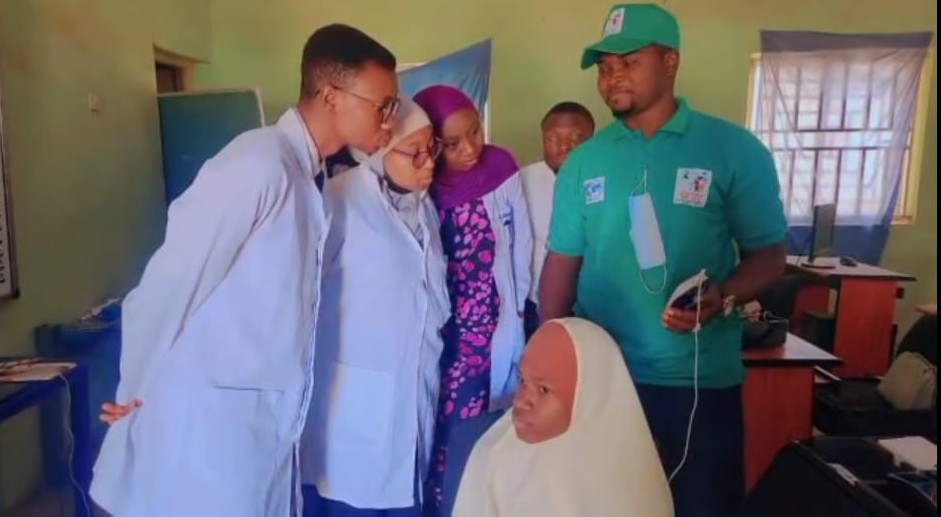
General Photos
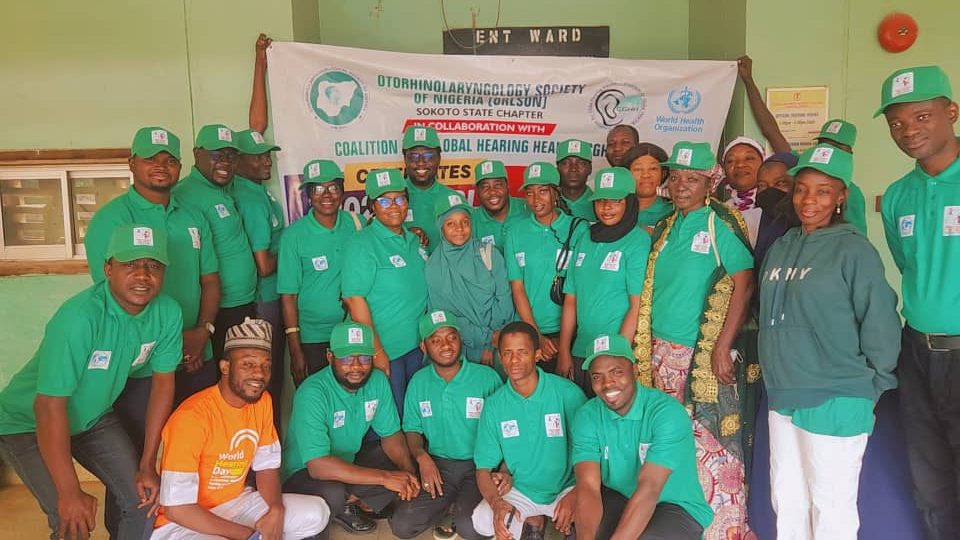
Some of ORLSON Sokoto Team during WHD 2026
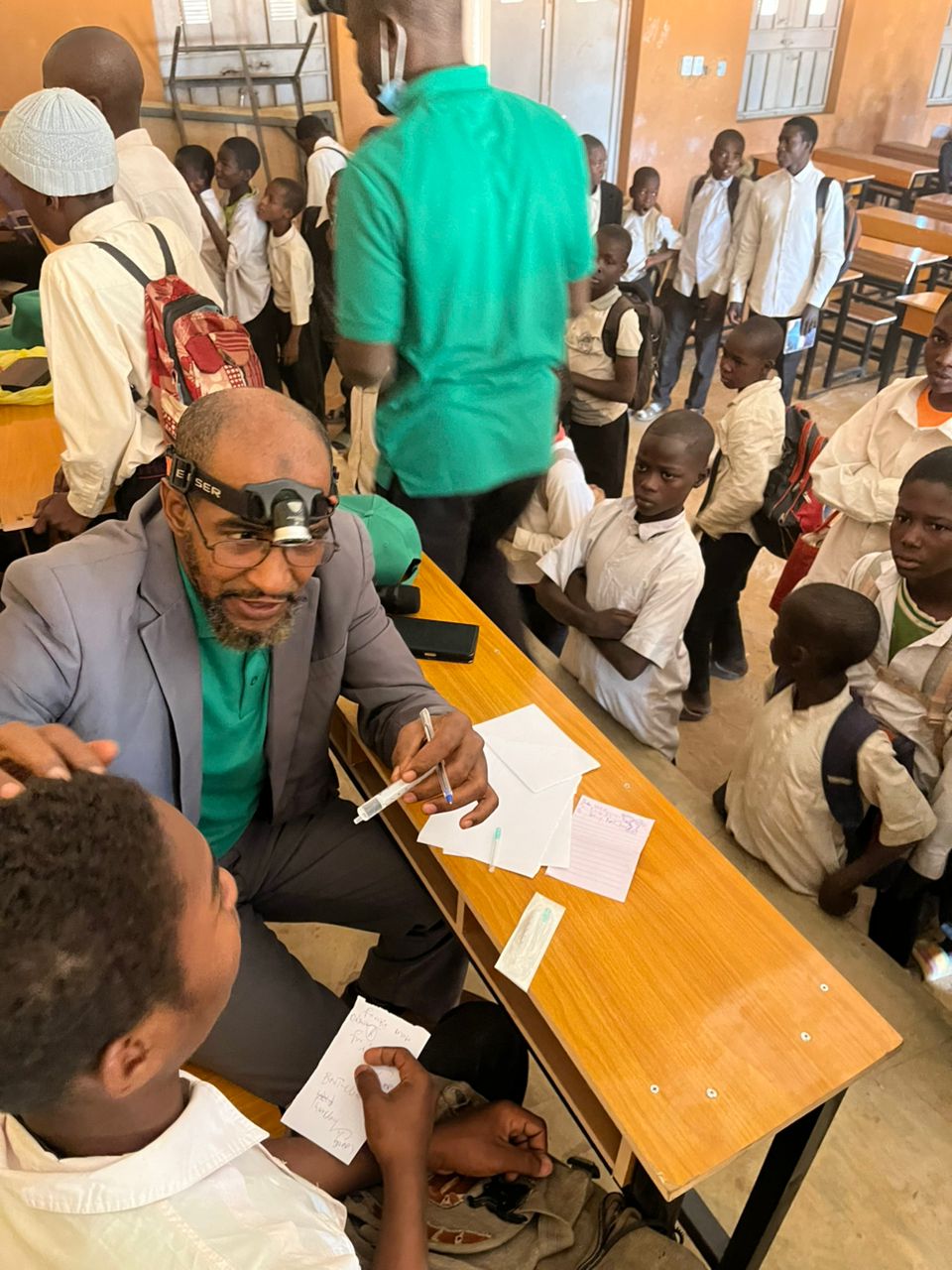
Ear screening in a Primary School ORLSON Sokoto
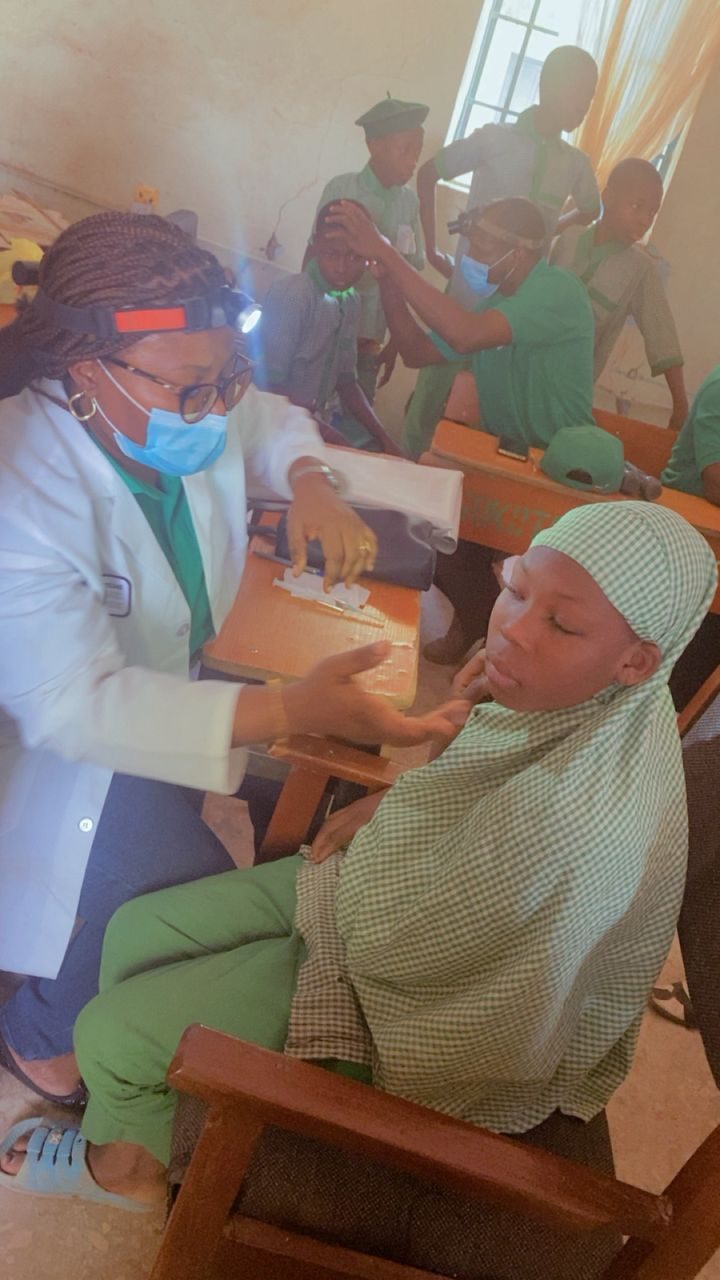
Ear Examination in a Public School ORLSON Sokoto 2026
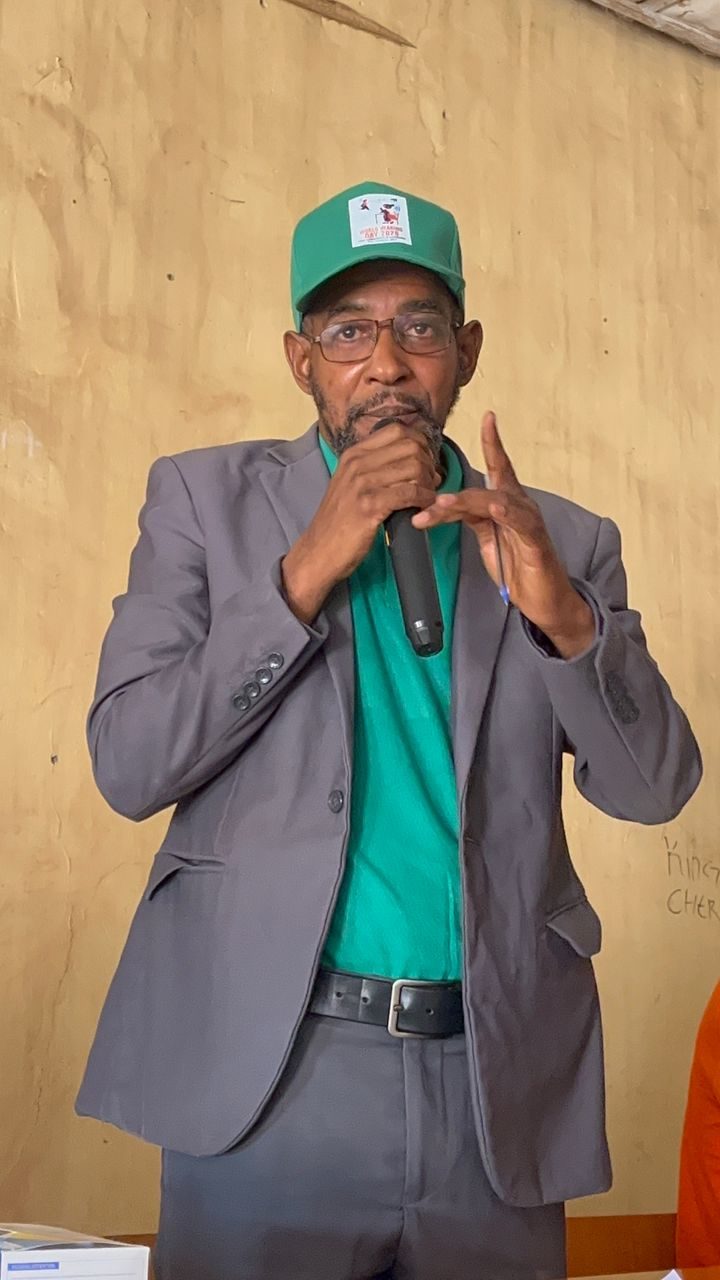
Health Education for Teachers, Parents and Pupils
Types of Engagement:
Live event: Yes
Screening: Yes
Traditional media: Yes
Social media: Yes
Special needs populations: persons with disabilities (including hearing loss), children and adolescents, indigenous communities, rural or remote population
Met with individual policymaker: Yes
Participation of policy makers: Yes
Participation of influencers: No
WHO technical tool used: Yes
WHO educational and social media used: Yes