Organization: IMPACT EAST AFRICA
Title: PUBLIC HEARING SCREENING, ASSESSMENT, AND BASIC TREATMENT
Al title (for format and translation – not permanent:
Public hearing screening, assessment, and basic treatment
Description:
On 3rd March 2026, in commemoration of World Hearing Day, Impact East Africa organized an outreach activity in Kitui South. The planned activities were held at Mutomo Level 4 Hospital and at Kitoo Comprehensive School. The global theme for this year’s World Hearing Day is ‘From communities to classrooms: hearing care for all children.’ This aligns with IEA’s objectives. IEA emphasizes proactive engagement, awareness, and early intervention as essential measures in preventing avoidable hearing loss and related disabilities. This aim is achieved through early screening and treatment. By promoting knowledge, encouraging early screening, and empowering communities to prioritize ear and hearing health, the initiative reflected a shared commitment to translating awareness into practical, preventive action.
In commemorating the day, there were three planned activities. IEA conducted a CME (continuous medical education) for the health care givers at Mutomo Level IV Hospital and students from the Kenya Medical Training Centre at Mutomo Level 4 Hospital. IEA issued the IEC (information, education, and communication) materials from the World Health Organization to the 25 attendees of the CME. The session focused on the importance of ear and hearing care. Later on, during the mid-morning hours, a community ear and hearing care clinic was conducted at Mutomo Level 4 Hospital. There were cases of ear infections, and the patients received appropriate treatment, while cases of impacted cerumen (earwax) were managed through safe removal procedures. A total of 39 community members benefited from the clinic.
Patients from the community with age-related hearing loss were referred for fixing of hearing aids. The community members were also given a comprehensive health education. The education comprised measures to take while dealing with fellow community members who had hearing loss, such as taking turns when talking, facing the person, calling for help if the hearing aids are not working, including those members in the daily activities, and avoiding any discrimination against anyone suffering from hearing loss. A total of 37 patients were screened, diagnosed, and offered treatment. Upper respiratory infections were found to have been the common cause of ear infections and were treated promptly. Additionally, several patients presented with foreign bodies in the ear, which were carefully extracted. These interventions aimed to promptly address common but often neglected ear conditions that, if untreated, may lead to hearing impairment.
In the afternoon, IEA conducted ear and hearing care at Kitoo Primary School. 210 pupils and 10 teachers were screened and treated for various ear conditions. IEA performed basic ear examinations, facilitating early interventions for potential ear health issues. Those found with ear infections received treatment. Comprehensive health education on ear care was provided to both teachers and pupils in a straightforward and easily understandable manner, utilizing IEC materials.
The activities conducted during the World Hearing Day celebration showcased a holistic approach that integrated clinical care, health education, and capacity building. Through these continuous efforts, Impact East Africa has screened, treated, and provided ear and hearing care to more than a million ears and provided over five hundred thousand pupils with ear and hearing care education since 2015 through the school health monitoring program in Kitui County. The day demonstrated IEA’s commitment to advancing ear and hearing health while reinforcing the importance of early action in preventing long-term disability in the community.
Primary site: AFR – Kenya
Region: AFR
Secondary sites:Kenya
General Photos
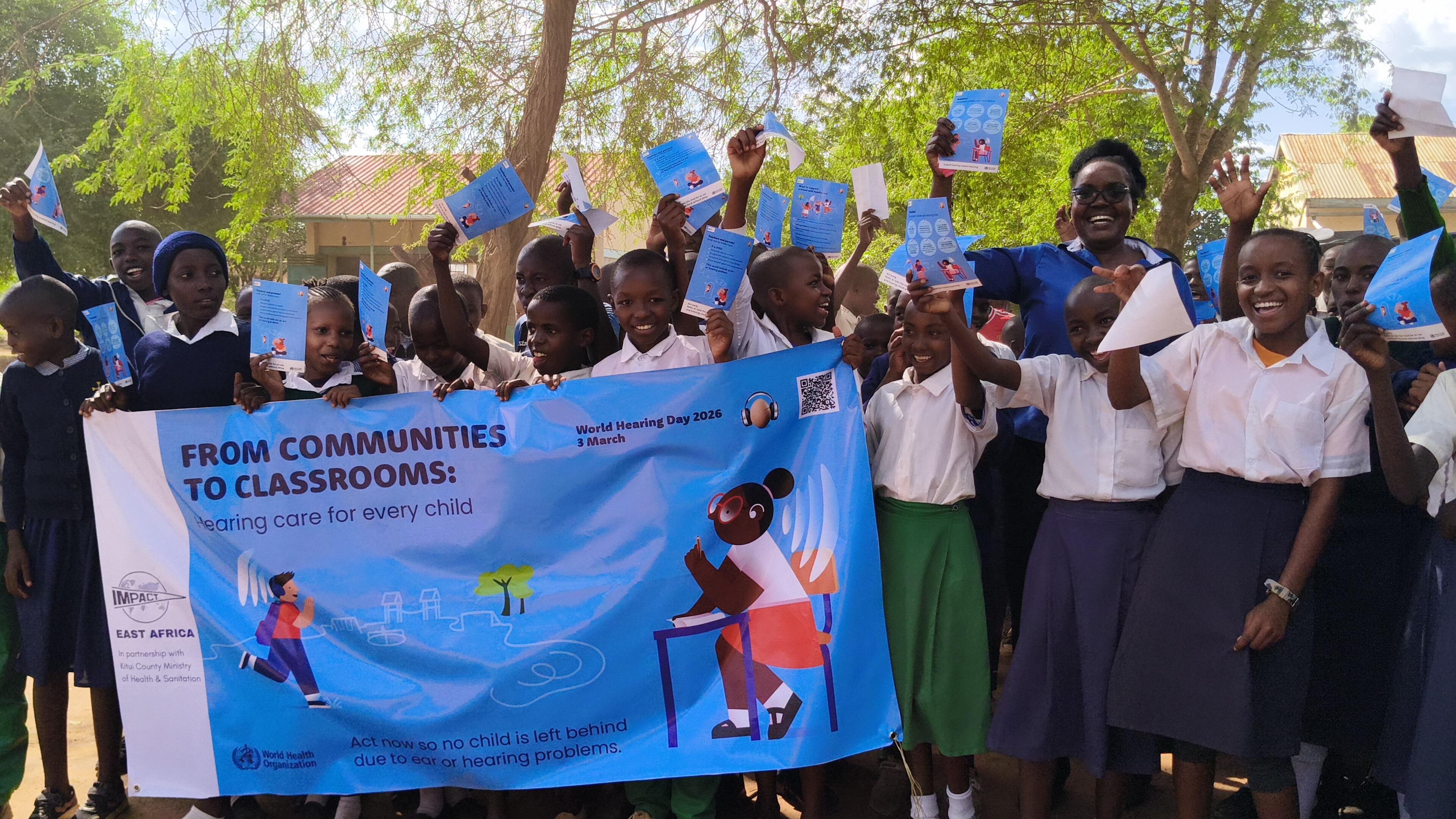
Procession with students from Kitoo Comprehensive Report
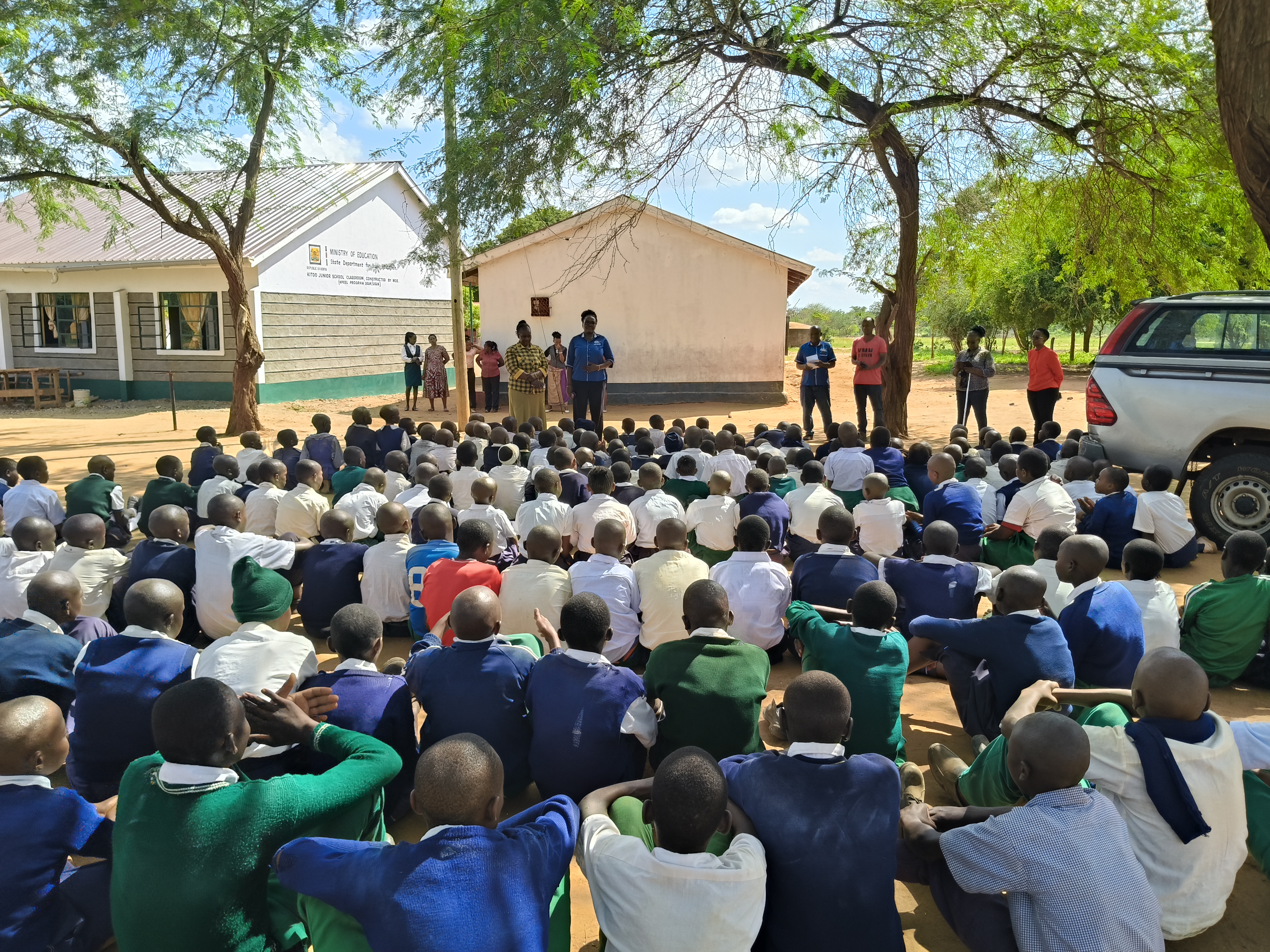
Ear Health Education at Kitoo Comprehensive School
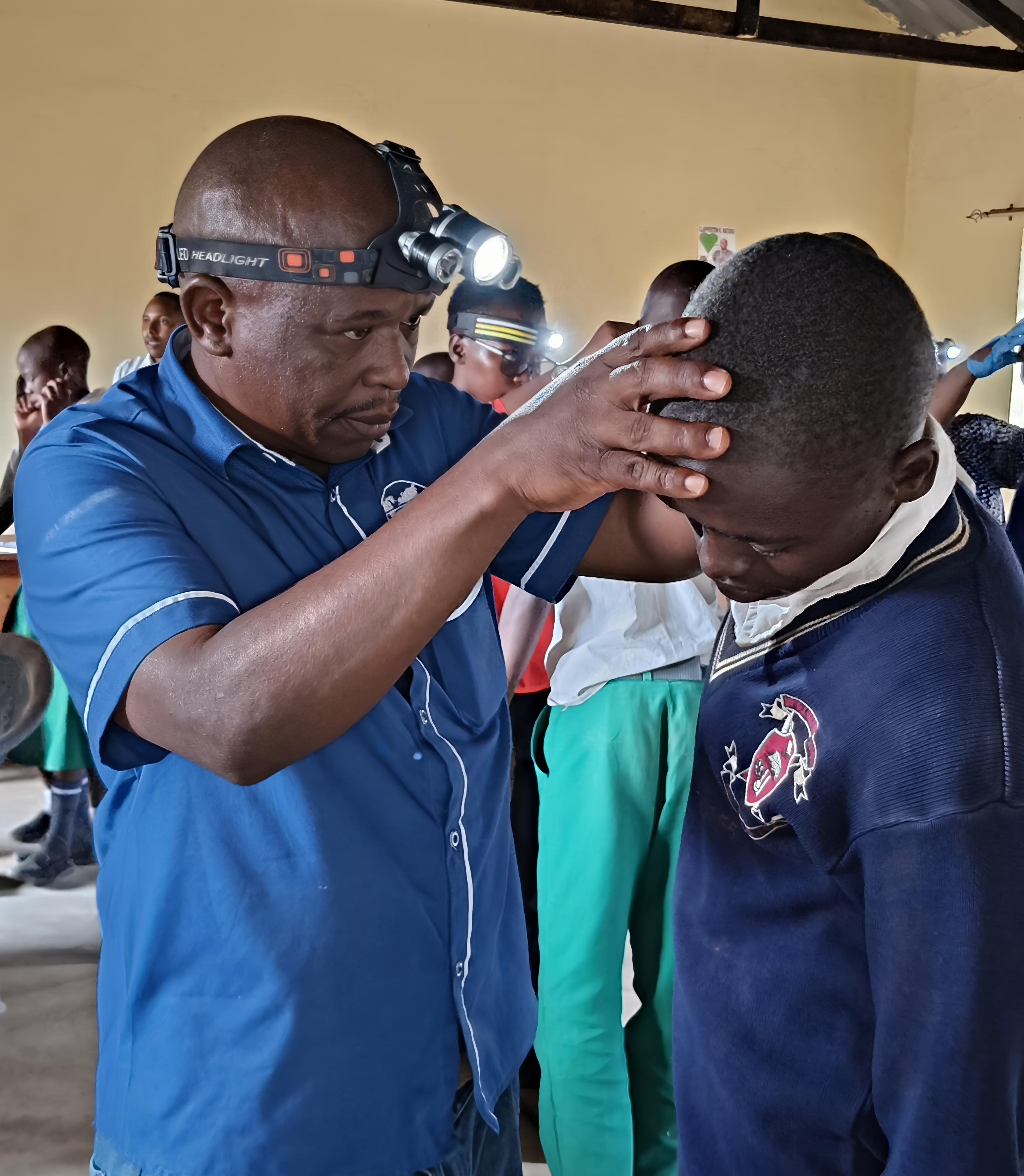
Ear Screening
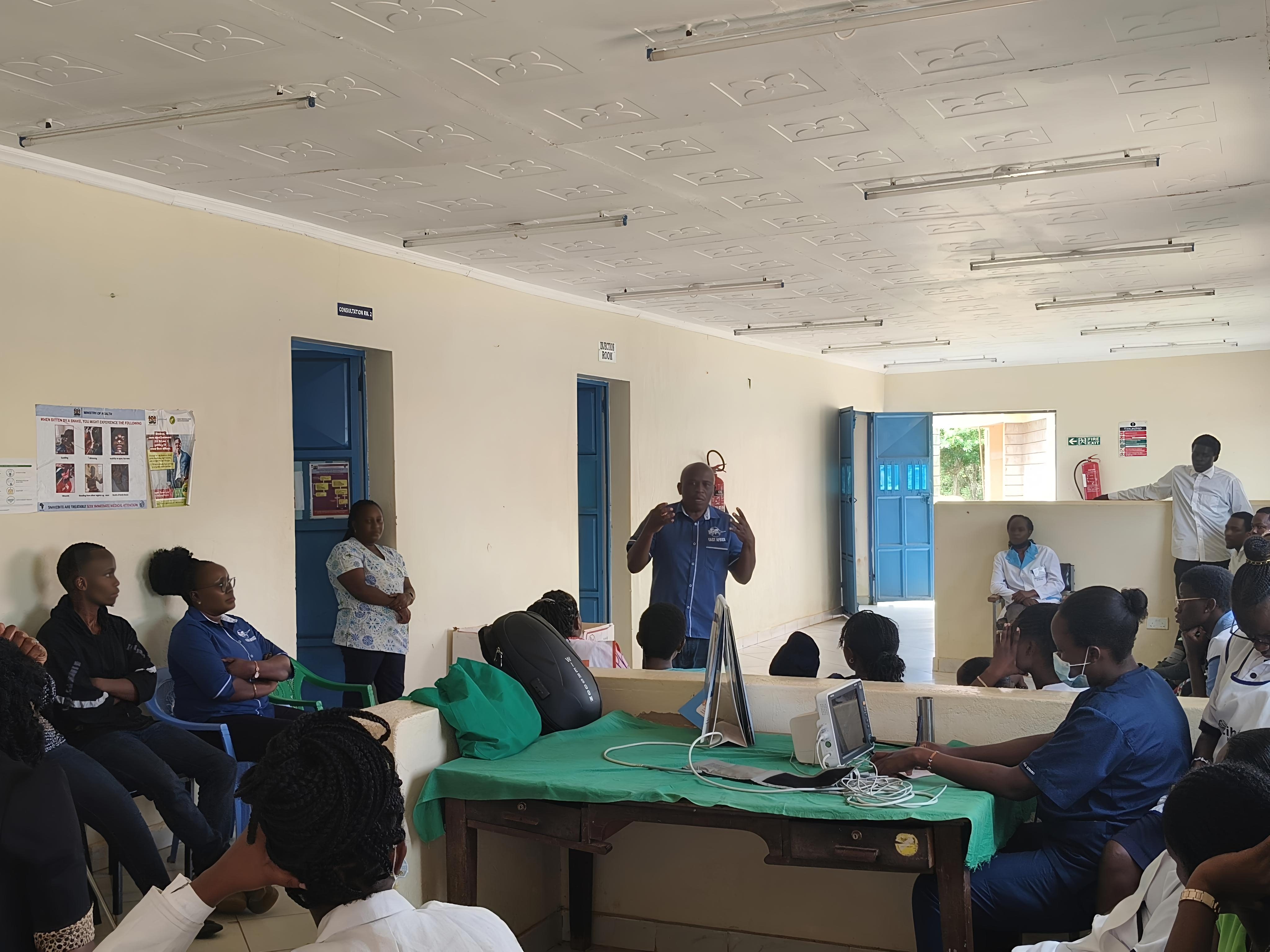
Continous Medical Education to health workers
Types of Engagement:
Live event: Yes
Screening: Yes
Traditional media: No
Social media: Yes
Special needs populations: children and adolescents, older adults, rural or remote population
Met with individual policymaker: Yes
Participation of policy makers: Yes
Participation of influencers: No
WHO technical tool used: Yes
WHO educational and social media used: Yes