Organization: Voices of HearingWor
Title: 2026 World Hearing Day – Ear and Hearing Health awareness and screening- Chitambo District
Al title (for format and translation – not permanent:
2026 World Hearing Day – Ear and Hearing Health Awareness and Screening – Chitambo District
Description:
In commemoration of World Hearing Day, an ear and hearing health school outreach activity was conducted in Chitambo District. The activity aimed at promoting awareness about ear and hearing health and providing hearing screening services to school children and promoting early detection of hearing loss among pupils.
The objectives of the activity were to:
-Raise awareness on ear and hearing health among school children and teachers.
– Conduct hearing screening in selected schools.
– Identify children with possible ear or hearing problems.
– Refer children requiring further medical attention to appropriate health facilities.
Schools Visited with authorisation from Chitambo District Education Board and District Health Director during the school outreach Activity were;
– Muchinka Primary School
– Mwimbula primary School
– Chanda Mutale community School
– Chalilo Primary School
ACTIVITY RESULTS
A total of 433 learners were screened across the four schools visited.Out of the screened learners, 51 children were referred for further medical attention due to different ear and hearing conditions identified during screening.
Breakdown of referrals:
-24 learners had severely impacted ear wax and were referred to local health facilities for ear irrigation.
-5 learners were found with perforated ear drums and were referred to Beit CURE Children’s Hospital for further assessment and possible tympanoplasty surgery.
-12 learners complained of **reduced hearing** and were referred to **Kapiri Urban Health Centre**, the nearest facility providing hearing evaluation services.
ACTIVITIES CONDUCTED
During the outreach, the following activities were implemented:
– Ear and hearing health education for pupils and teachers.
-Hearing screening of learners.
-Identification of ear conditions such as wax impaction and ear drum perforations.
-Referral of children requiring further medical management.
-Meetings with the District Education and Health Directors on Hearing health.
-Orientation of teachers and local health workers on hearing loss and how to detect early.
OUTCOMES
– 433 learners received ear and hearing screening services.
– Children with ear and hearing conditions were identified and referred for treatment.
-Increased awareness of ear and hearing health among learners and teachers.
– Strengthened collaboration between schools and health facilities.
CHALLENGES
– Limited screening equipment.
-Long distances between some schools and referral facilities.
-Limited time to screen more children in surrounding schools.
World Hearing Day outreach activity in Chitambo was successful in promoting ear and hearing health awareness and providing hearing screening services to school children. The identification and referral of children with ear and hearing conditions will help ensure that they receive appropriate medical attention, which is essential for their communication and academic performance.
Primary site: AFR – Zambia
Region: AFR
Impactful Story:
A story of Mr Saili a senior teacher in Chitambo district, through the ear and hearing teachings we conducted, he admitted to be one of the people who inserts different kinds to clean the ears such as chicken feathers, papers and pens. With a good ear hygien lessons we had, he learnt the risks that comes with that and told us that he has leant promised to an advocate of good ear and hearing to his pupils and the community.
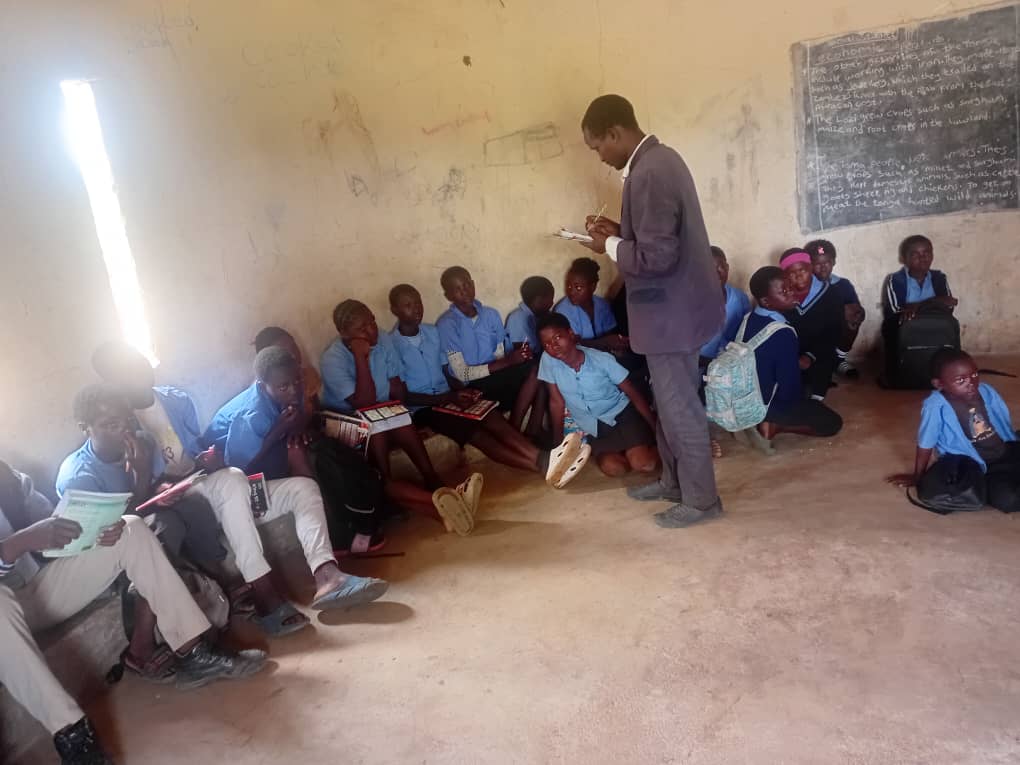
General Photos
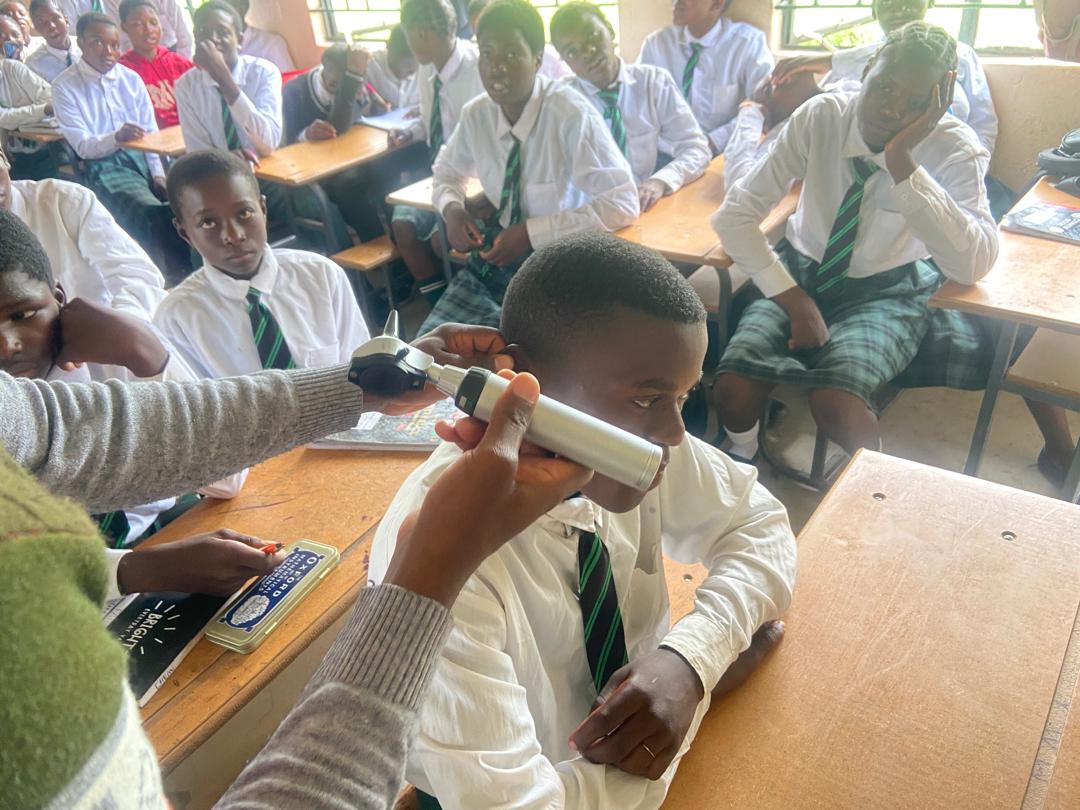
Pupils at Muchinka being screened after an health talk
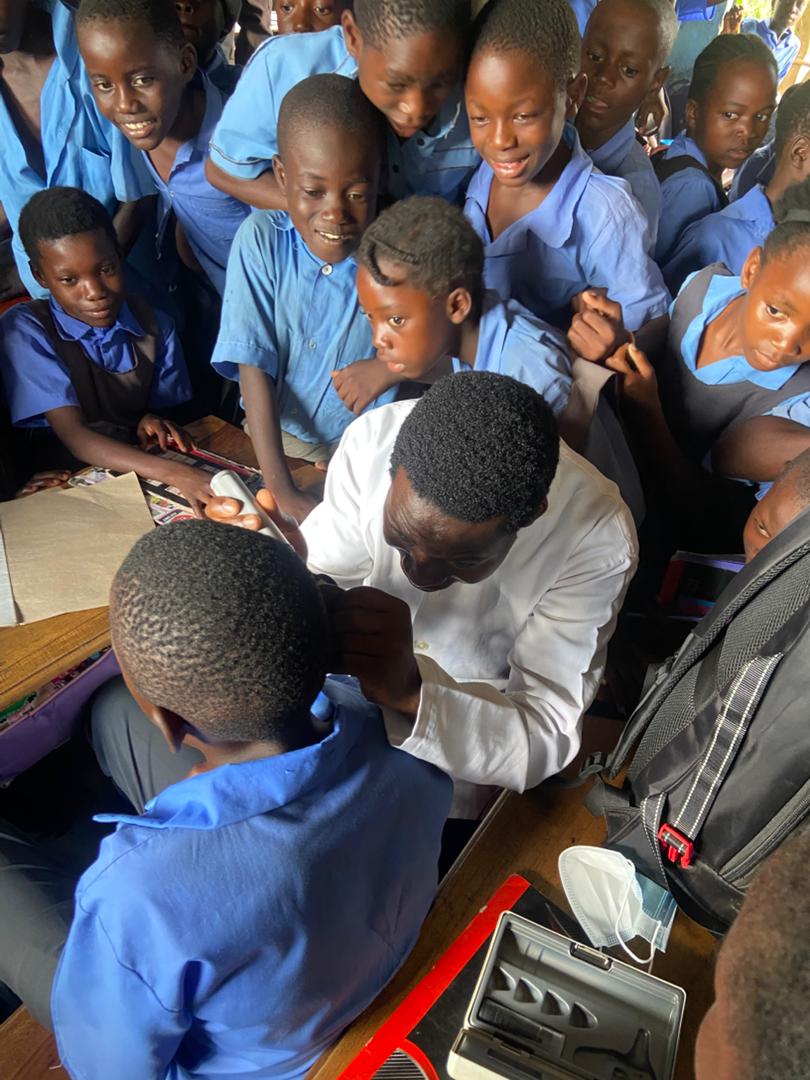
Chalilo Primary school
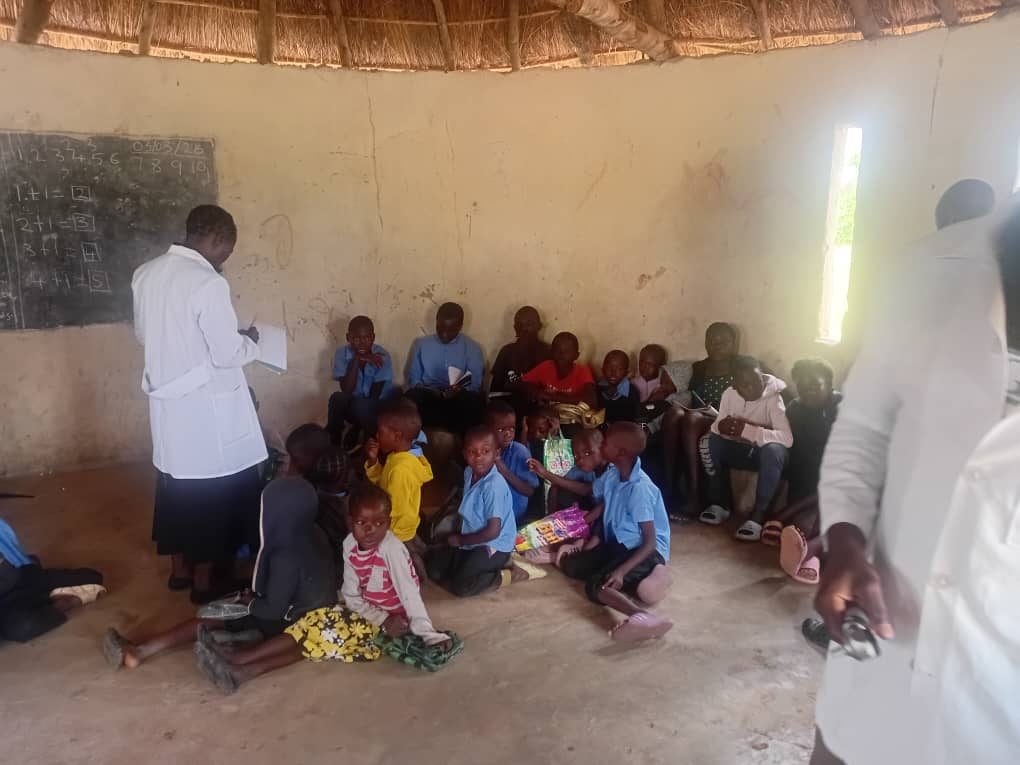
Living no child behind at Chanda Mutale community school
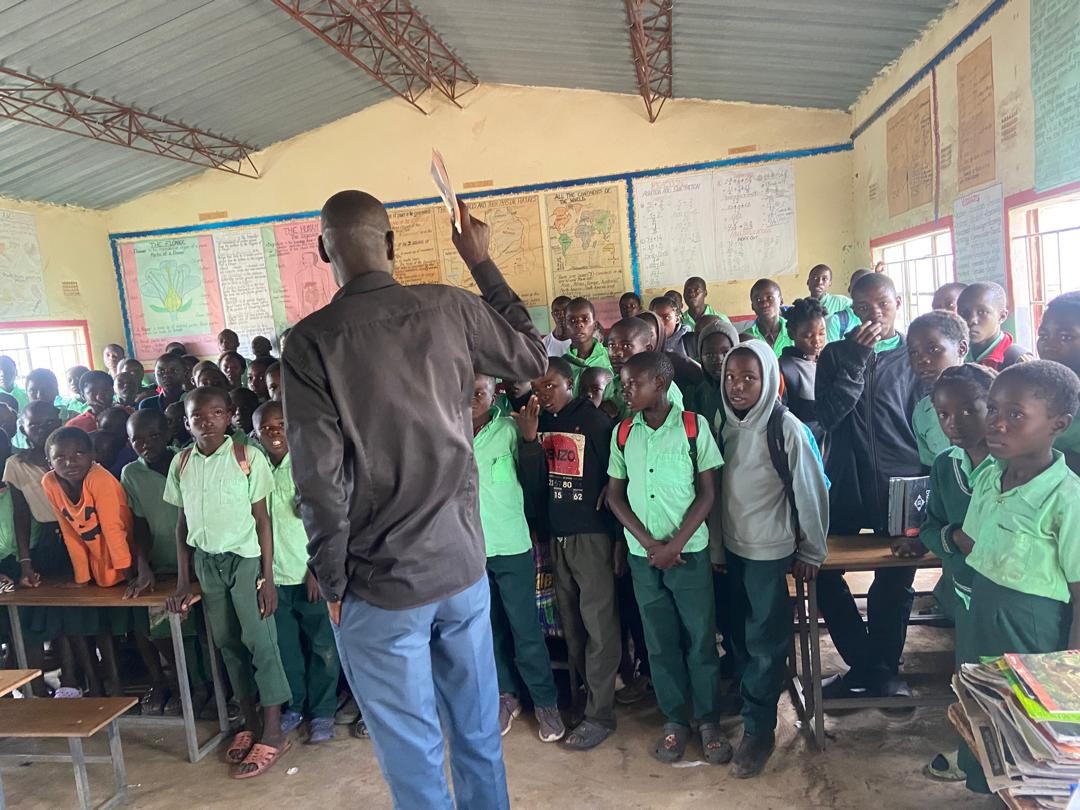
Teacher Chanda giving a lesson to Pupils about safe hearing
Types of Engagement:
Live event: Yes
Screening: Yes
Traditional media: Yes
Social media: Yes
Special needs populations: persons with disabilities (including hearing loss), children and adolescents, older adults, migrants or refugees, rural or remote population
Met with individual policymaker: Yes
Participation of policy makers: Yes
Participation of influencers: No
WHO technical tool used: Yes
WHO educational and social media used: No