Organization: Sense International Kenya
Title: From communities to classrooms: hearing care for all children
Al title (for format and translation – not permanent:
From communities to classrooms: Hearing care for all children
Description:
World Hearing Day was marked in Shimba Hills through a community outreach aimed at promoting awareness on ear and hearing health. The event brought together parents, teachers, children, community members, and local administration, demonstrating strong community participation.
The activity began with a community awareness walk to mobilize residents and highlight the importance of hearing health. This was followed by a sensitization session led by a representative from the county health management, the Sub-County Public Health Officer, officers from the National Council for Persons with Disabilities, a Community Health Assistant, and a representative from Sense International Kenya.
Participants received information on:
•The importance of routine ear and hearing screening
•Proper ear care and prevention practices
•Early signs and symptoms of hearing loss
•Referral pathways and timely medical intervention
•Registration with the National Council for Persons with Disabilities and available benefits
Screening and Clinical Services
Ear and hearing screening services were conducted by health workers trained by Sense International Kenya through a project funded by Hear the World Foundation. The screening team was drawn from Msambweni County Referral Hospital and Kwale Sub-County Hospital and included trained ear screeners (nurses and clinicians), an ENT specialist, an audiologist, and an audiology technician.
The outreach engaged school-going children, parents, teachers, and community members.
Key Activities
•Community awareness walk
•Hearing awareness sessions for learners and teachers
•Mass ear and hearing screening with referrals where necessary
•Sensitization of parents and caregivers on early signs of hearing loss and referral pathways
•Engagement of health workers to strengthen routine screening and referrals
•Dissemination of a policy brief on the importance of integrating ear and hearing care into primary public health systems.
Screening Outcomes
A total of 233 individuals were screened, including 226 children below 18 years and 7 adults.
Children accessed three key services:
1.Hearing screening for early detection of hearing challenges
2.Ear examinations and management of conditions such as infections and wax impaction by an ENT specialist
3.Diagnostic audiology assessments, including ear mould impressions for children requiring hearing support
Out of the children screened, 42 were identified with ear-related conditions, including infections and wax impaction. These children received treatment including medication, ear syringing, and ear cleaning. Additionally, 7 children were assessed, had ear impressions taken, and were referred to the audiology clinic for hearing aid fitting, which will be provided by Sense International Kenya through the Hear the World Foundation project.
Impact of the Activity
The outreach increased community awareness on ear and hearing health and strengthened linkages between the community, schools, and health facilities. Parents and caregivers gained knowledge on early signs of hearing loss and available referral pathways, enabling them to seek timely care.
The activity also supported early detection and treatment of ear conditions, helping prevent complications that could lead to permanent hearing loss. Children identified with hearing loss were linked to further audiological support, improving their opportunities for communication and learning.
Lessons Learned
•Integrated outreach combining awareness, screening, and treatment improves early identification and care.
•Multidisciplinary collaboration strengthens service delivery.
•Schools are important entry points for identifying children with hearing difficulties.
Challenges
•Unreliable electricity supply affected consistent use of screening equipment.
•Long distances to referral facilities, particularly to Msambweni County Referral Hospital, limit follow-up for some families.
Recommendations
•Continue community sensitization through institutions, like schools, health facilities and religious places
•Integrate ear and hearing screening into routine child health services.
•Strengthen referral systems and explore outreach specialist clinics closer to communities.
•Build capacity of healthcare workers on ear screening and referral procedures.
•Increase investment in audiology services and assistive devices such as hearing aids.
•Engage more community health promoters in sensitization, referral and follow-up.
Primary site: AFR – Kenya
Region: AFR
Impactful Story:
For years, I assumed my daughter was simply being difficult, though I often wondered if she might have hearing loss, which I had no means to confirm. When mass hearing screening was announced by our Public Health Officer and supported by her school, we finally had hope. During the screening, she was found to have wax impaction, which was cleaned, and she was referred for further tests. An audiologist confirmed hearing loss in both ears and took impressions. She will get hearing aids for free. After 13 years of uncertainty, we finally have answers and renewed hope for her future.
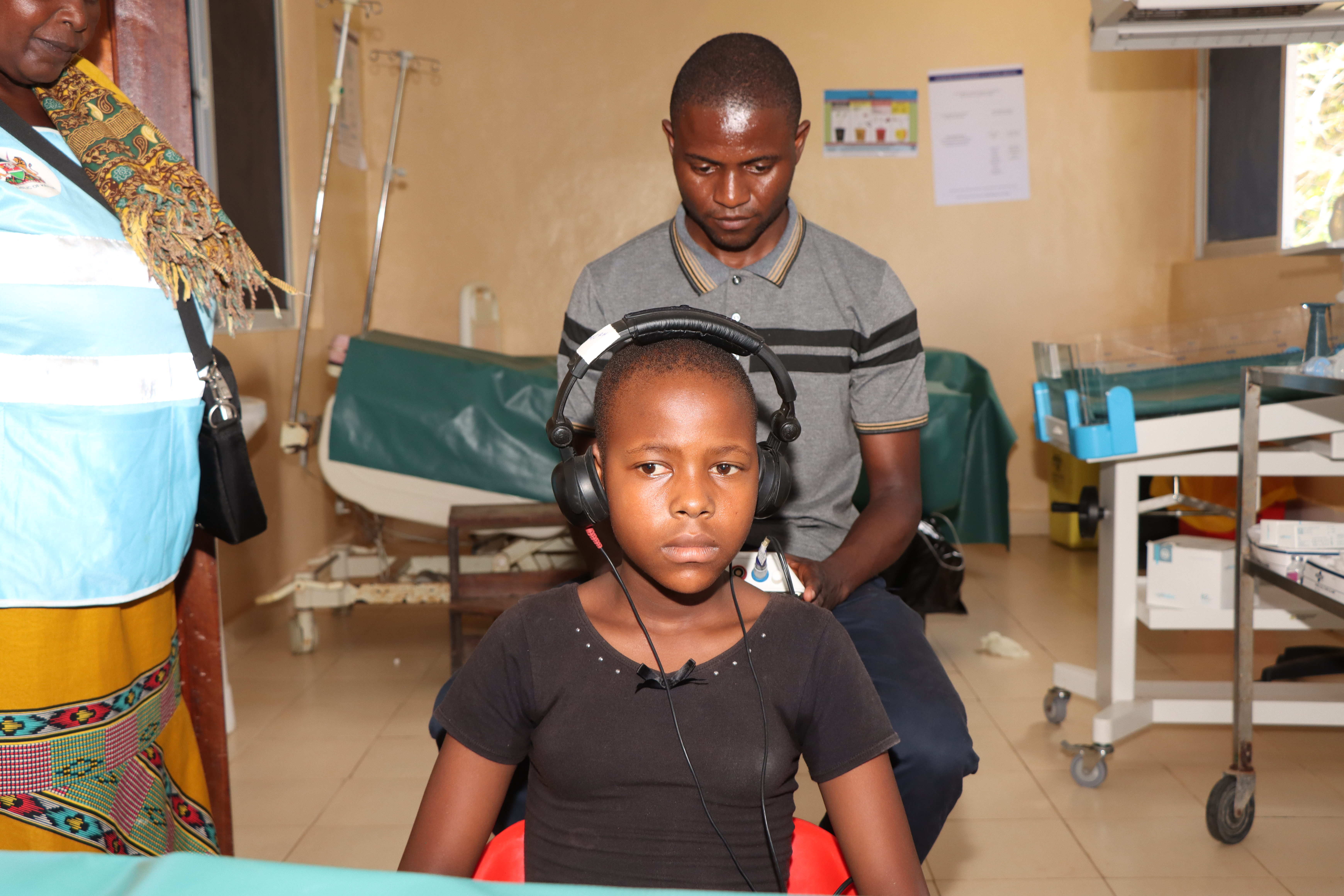
General Photos
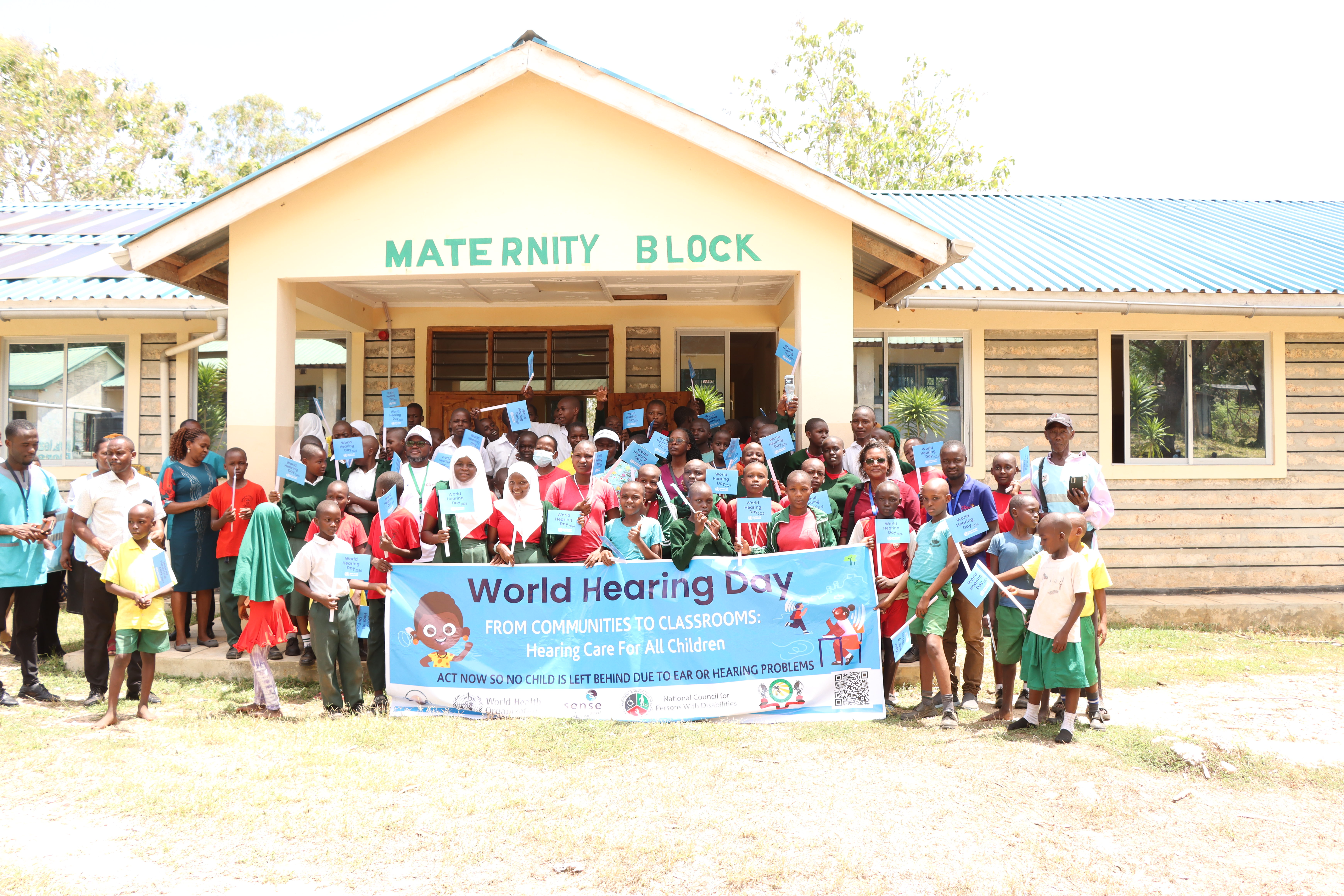
A pose just after completing the community awareness walk!
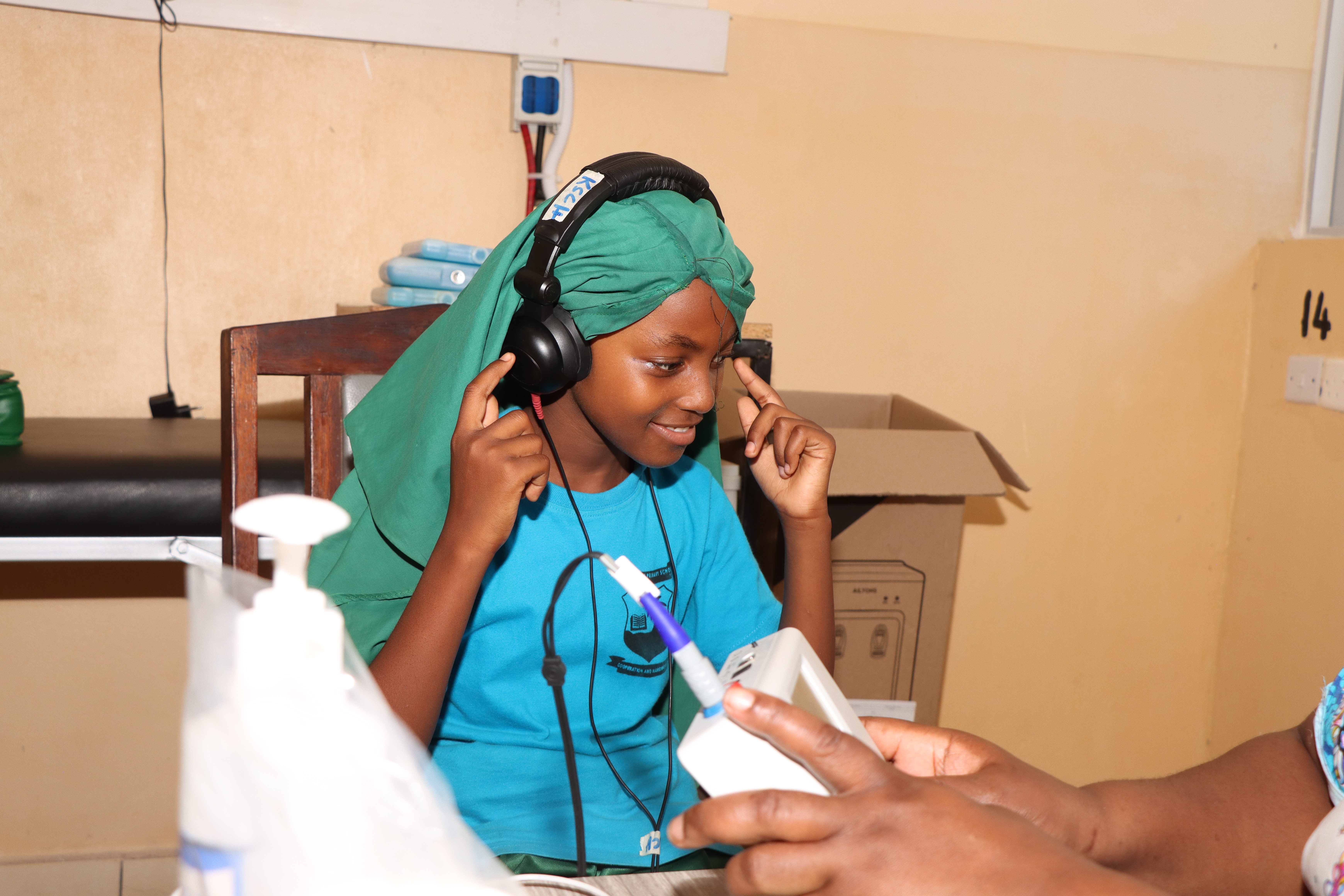
Ear screening for school going children taking place.
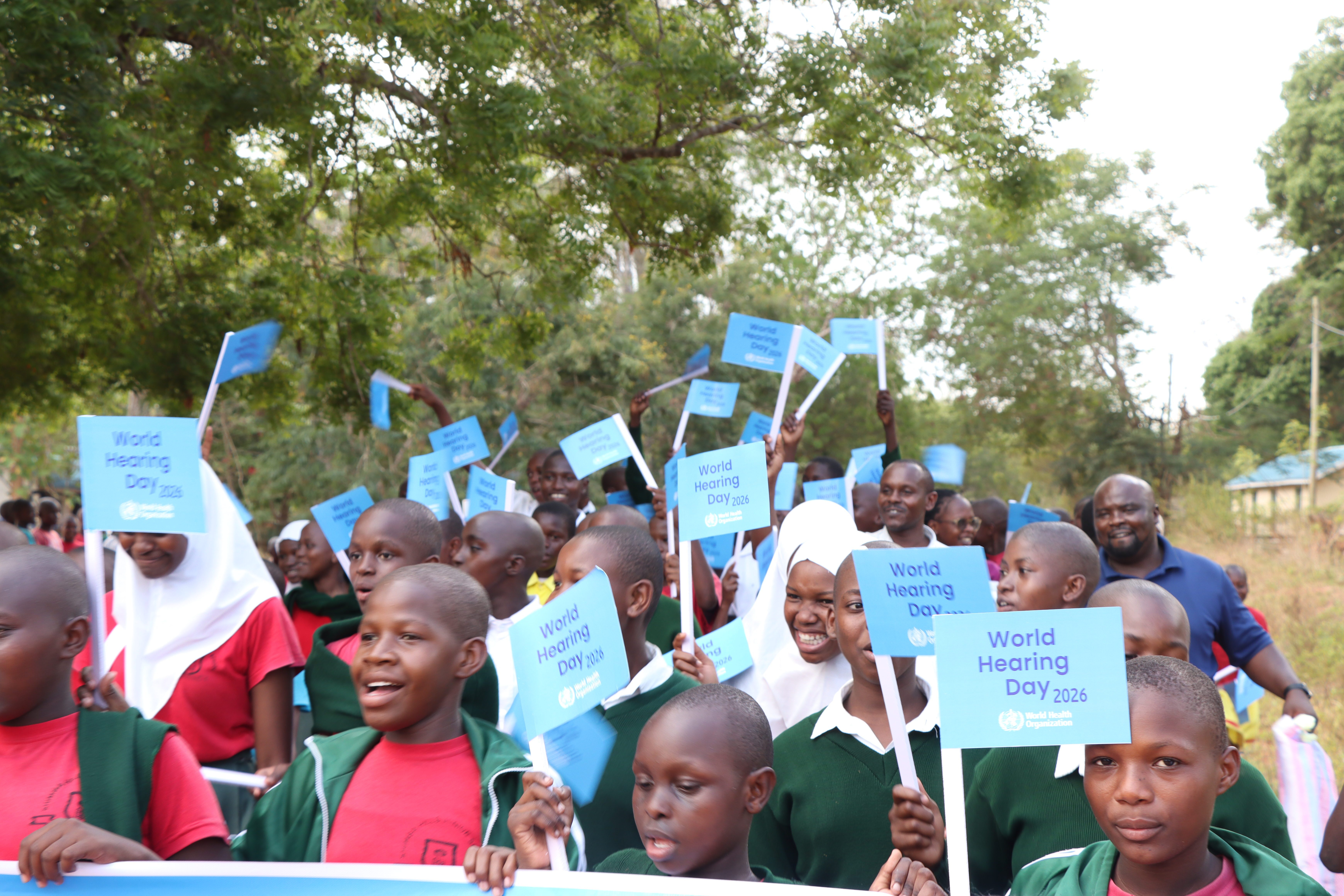
During the community awareness walk.
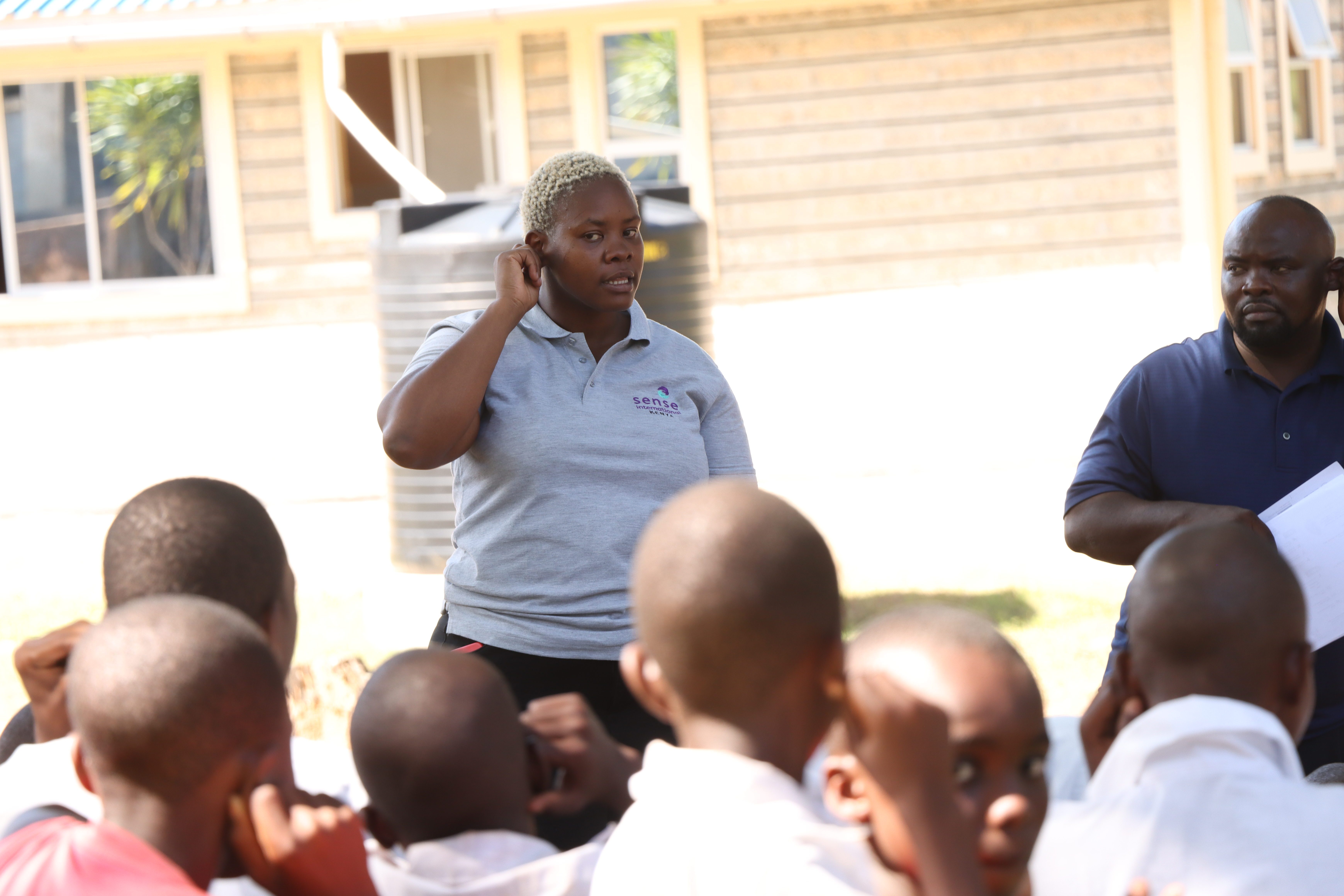
During sensitization exercise.
Types of Engagement:
Live event: No
Screening: Yes
Traditional media: No
Social media: Yes
Special needs populations: persons with disabilities (including hearing loss), children and adolescents, indigenous communities, rural or remote population
Met with individual policymaker: Yes
Participation of policy makers: Yes
Participation of influencers: No
WHO technical tool used: Yes
WHO educational and social media used: No