Organization: St. Pauls Hospital Milleniums Medical Collegue
Title: World Hearing Day/World Birth Defects Day
Al title (for format and translation – not permanent:
World Hearing Day / World Birth Defects Day
Description:
World Hearing Day Commemoration in combination with World Birth Defects Day
Evening meeting on 2nd March with representative from WHO to discuss ear and hearing care in Ethiopia: Assistive Technology for persons with hearing loss and deafness and audiological service.
At St. Pauls Hospital a Commemoration Ceremony took place to for World Hearing day and World Birth Defects day on 3rd march 2026
29 Doctors from different departments met to commemorate this day. The different departments represent were: ENT, Neonatal, Obs+Gyn, Ophthalmology, Paediatric surgery, Paeds.
Dr. Uta Froeschl (CBM) presented with the resources from WHD website information for the WHD – theme: from Classrooms to Communities, Hearing car for every child! Key messages and call for action were presented. After the power point presentation specific questions about birth defects regarding the hearing and their treatmentn were answered. It was followed by a lively discussion of the different specialities about the different challenges of birht defects and their early identification and treatment.
The event took place at the Neonatal ICU meeting room, adjacent to a newly created newborn hearing screening testing room.
It was concluded by a coffee ceremony.
The World Hearing Day events included a school screening on 4th March 2026.
111 School children were scheened for ear problems.
7 kids were referred for further evaluation, ear cleaning was done at the screening site for 16 Children.
Primary site: AFR – Ethiopia
Region: AFR
General Photos
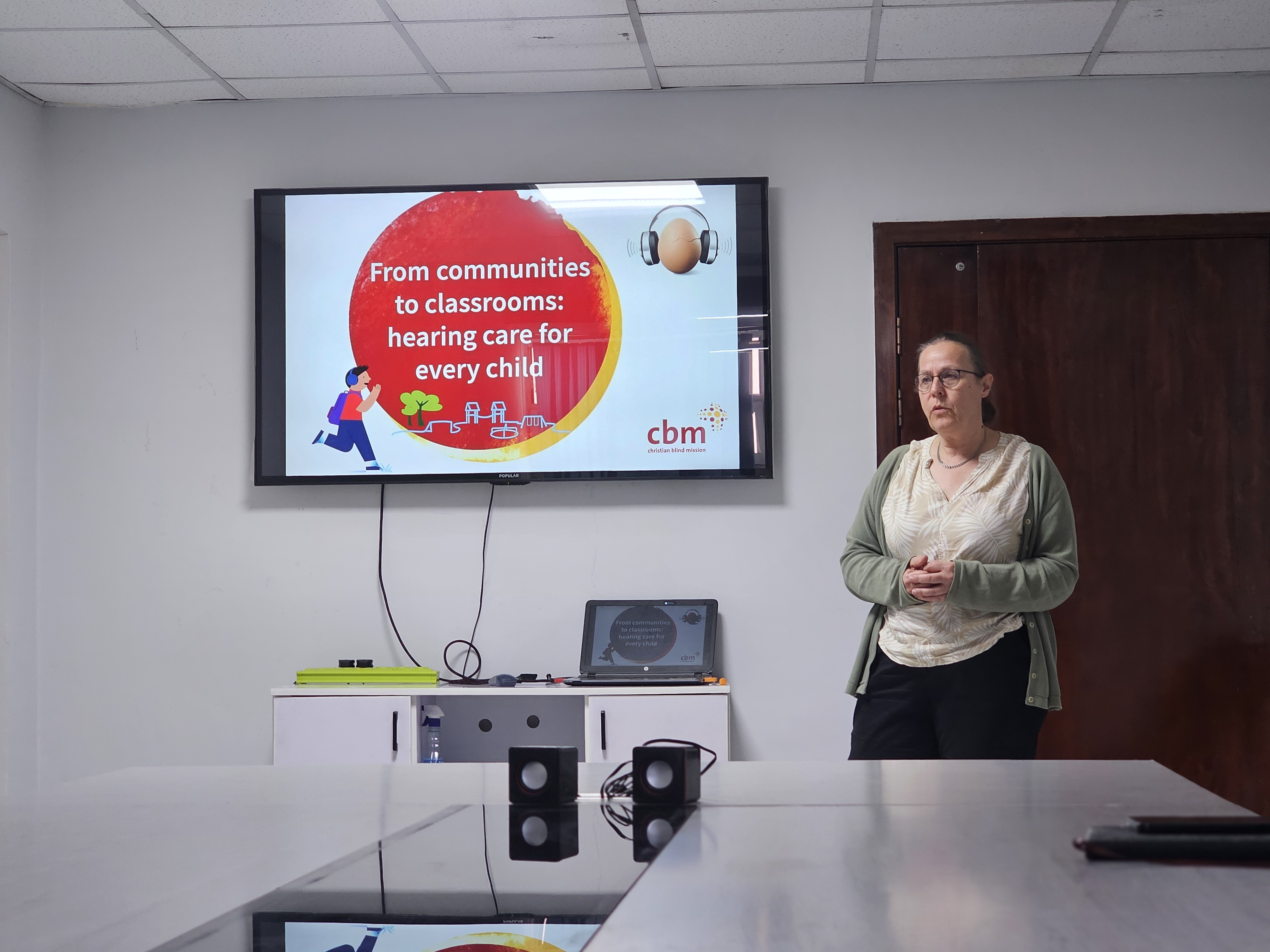
WHD presentation by Dr. Uta Froeschl
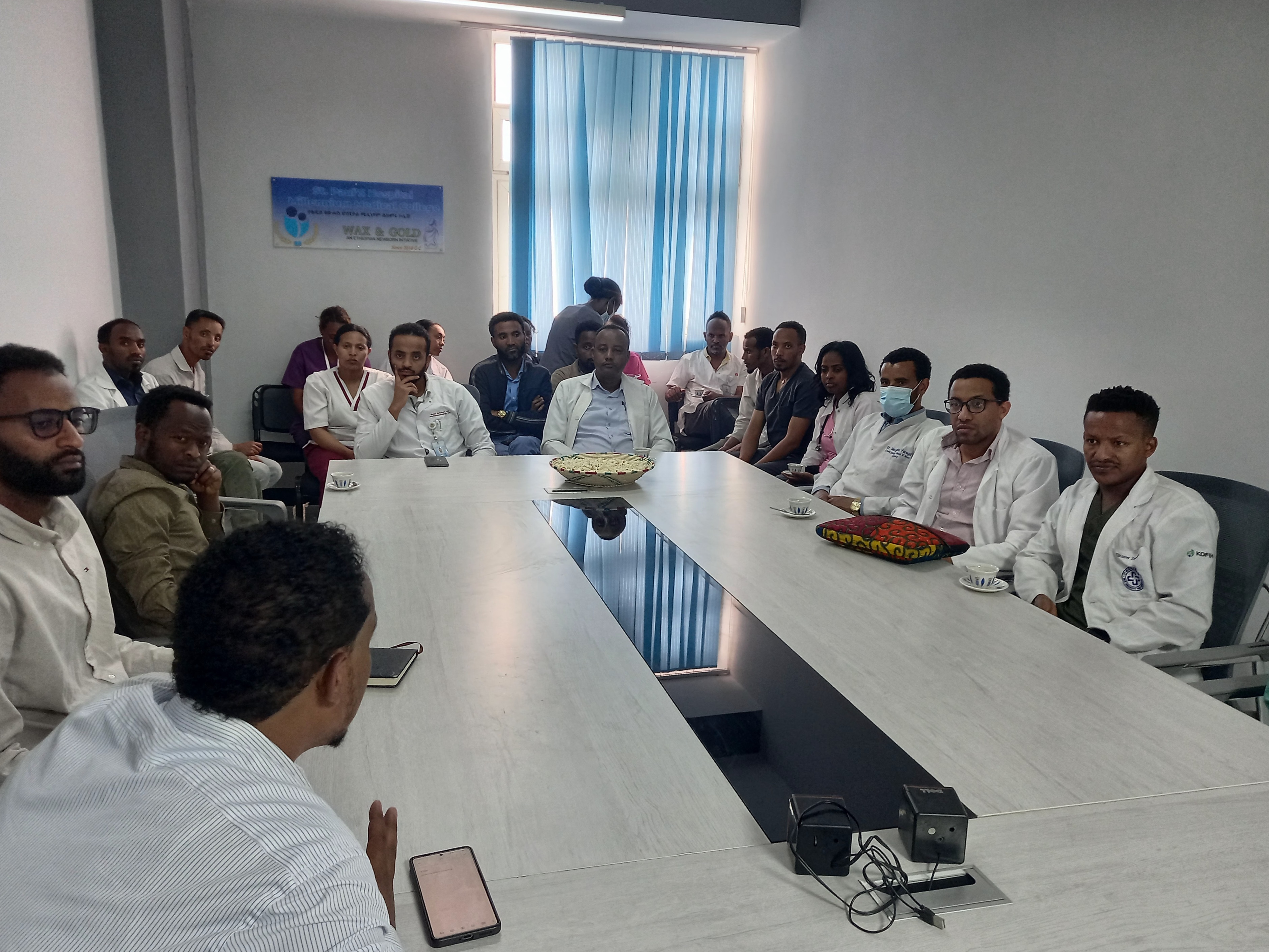
Auditorium of WHD
Types of Engagement:
Live event: Yes
Screening: Yes
Traditional media: Yes
Social media: No
Special needs populations: children and adolescents
Met with individual policymaker: Yes
Participation of policy makers: Yes
Participation of influencers: No
WHO technical tool used: Yes
WHO educational and social media used: No