Organization: Department of Speech Pathology and Audiology, University of the Witwatersrand
Title: World Hearing Day 2026
Al title (for format and translation – not permanent:
World Hearing Day 2026
Description:
The Discipline of Audiology at the University of the Witwatersrand observed World Hearing Day (WHD) through a series of coordinated, student led awareness and outreach activities conducted across multiple school, primary healthcare clinic, and community settings. These initiatives reflected a strong commitment by the university and its students to promote ear and hearing health, encourage early identification of hearing loss, and strengthen collaboration between healthcare trainees, educators, learners, and parents. The activities were aligned with the global objectives of WHD and demonstrated the growing role of students as advocates for hearing health within communities. Audiology students marked WHD through education, screening, and collaboration, and made meaningful contributions to raising awareness and promoting hearing health within schools, communities, and social media campaigns. Their activities were aligned with the WHD2026 theme as summarised hereafter:
1. From Communities to Classrooms: Direct School Based Action
Student led activities were conducted at university affiliated screening sites (Schools: Northcliff, Bosmont, Discovery, Risidale, Emmarentia, and Little Child Montessori; Clinics: Alexandra Health Centre and University Clinic and Hillbrow Community Health Care Centre), placing hearing care directly within classroom and school environments, as well as community settings. By working in learner focused, teacher focused, and parent-focussed contexts, students effectively bridged community health education and formal education systems, reflecting the WHO’s emphasis on schools as critical entry points for childhood hearing care.
2. Preventing Avoidable Childhood Hearing Loss
Across all schools, students actively addressed preventable causes of hearing loss through education on:
• Safe listening practices
• Avoiding harmful habits such as inserting objects into the ears
• Recognising early signs of ear disease
These prevention focused messages align with WHO evidence that over 60% of childhood hearing loss is preventable through simple public health measures, including education and awareness.
3. Early Identification and Screening in Line with WHO Recommendations
A key WHO priority for 2026 is early identification through school-based screening and timely referral. This was strongly reflected in the students’ work:
• Hearing screenings conducted at schools.
• Otoscopy, case history taking, and pure tone screening explained and demonstrated by University of the Witwatersrand audiology students
• Clear referral pathways discussed with teachers
These activities directly support WHO calls to integrate hearing screening into school health programmes and strengthen early intervention systems.
4. Empowering Teachers and Caregivers
WHO highlights the importance of empowering teachers and caregivers to recognise hearing difficulties early and support affected learners. Student presentations at schools, primary health care clinics, and university affiliated screening sites addressed:
• Classroom signs of hearing loss
• Practical classroom accommodations
• The shared responsibility between educators, caregivers, and health professionals
This aligns with WHO’s call for multisectoral collaboration between education and health sectors.
5. Student Contribution to Sustainable Hearing Care Systems
By combining education, screening, counselling, and collaboration, students contributed to sustainable, community embedded hearing care approaches. Their activities reflect WHO’s broader goal of building local capacity, strengthening early intervention pathways, and ensuring that every child has the opportunity to hear, learn, and thrive.
Conclusion
These activities were strongly aligned with WHO intentions. Through school-based education, prevention messaging, early screening, and teacher empowerment, students operationalised the WHO theme “From communities to classrooms: hearing care for every child” in a practical, impactful, and sustainable manner. The WHD events offered an opportunity to highlight the discipline and the university’s continuous engagement with ear and hearing care through the University Speech and Hearing Clinic, school, healthcare, and community outreach programmes. The WHD is a high-profile event that encapsulates the need and benefit of ear and hearing care, principles which the audiology students and discipline practice throughout the year.
Primary site: AFR – South Africa
Region: AFR
General Photos
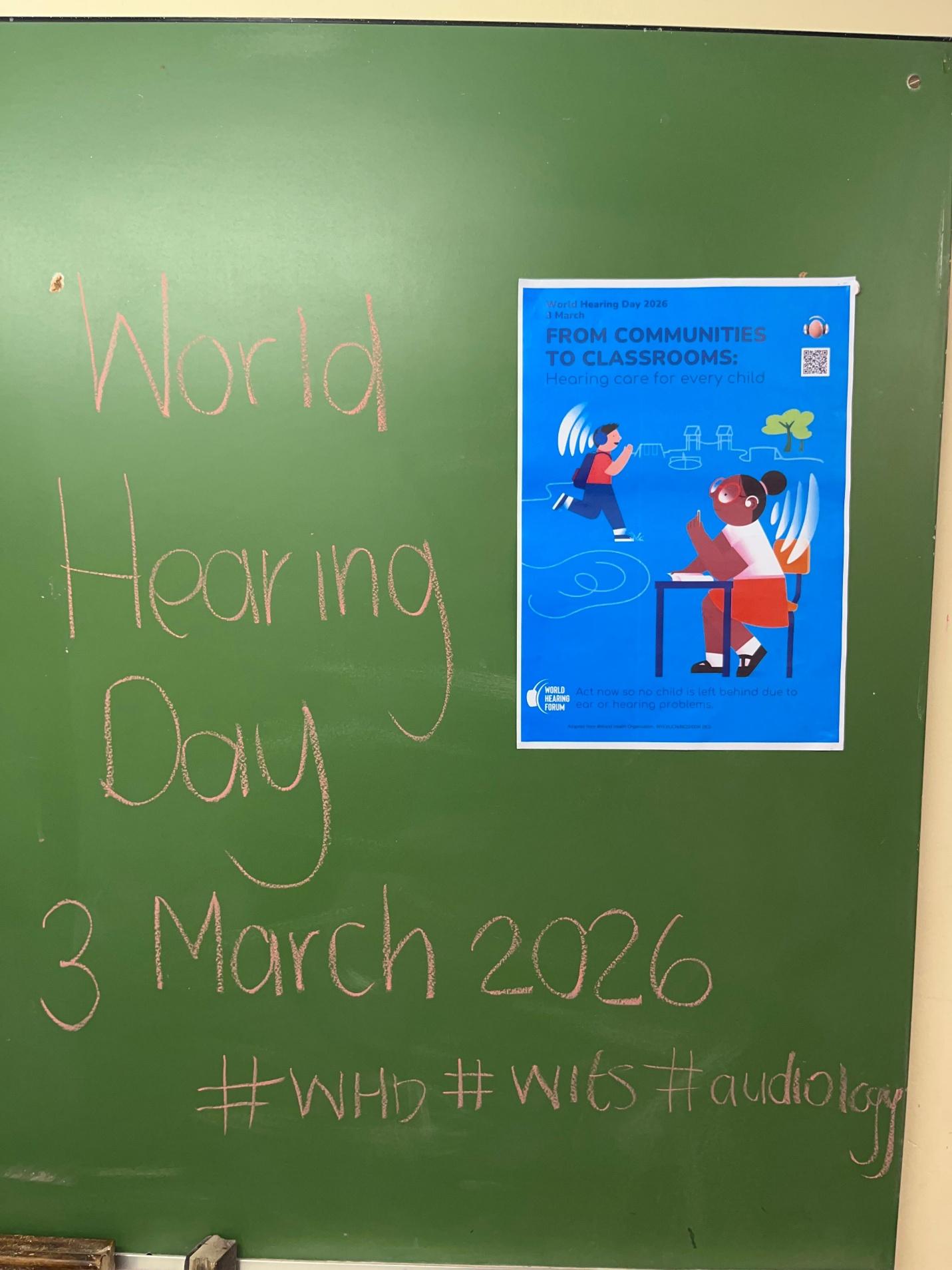
#WHD
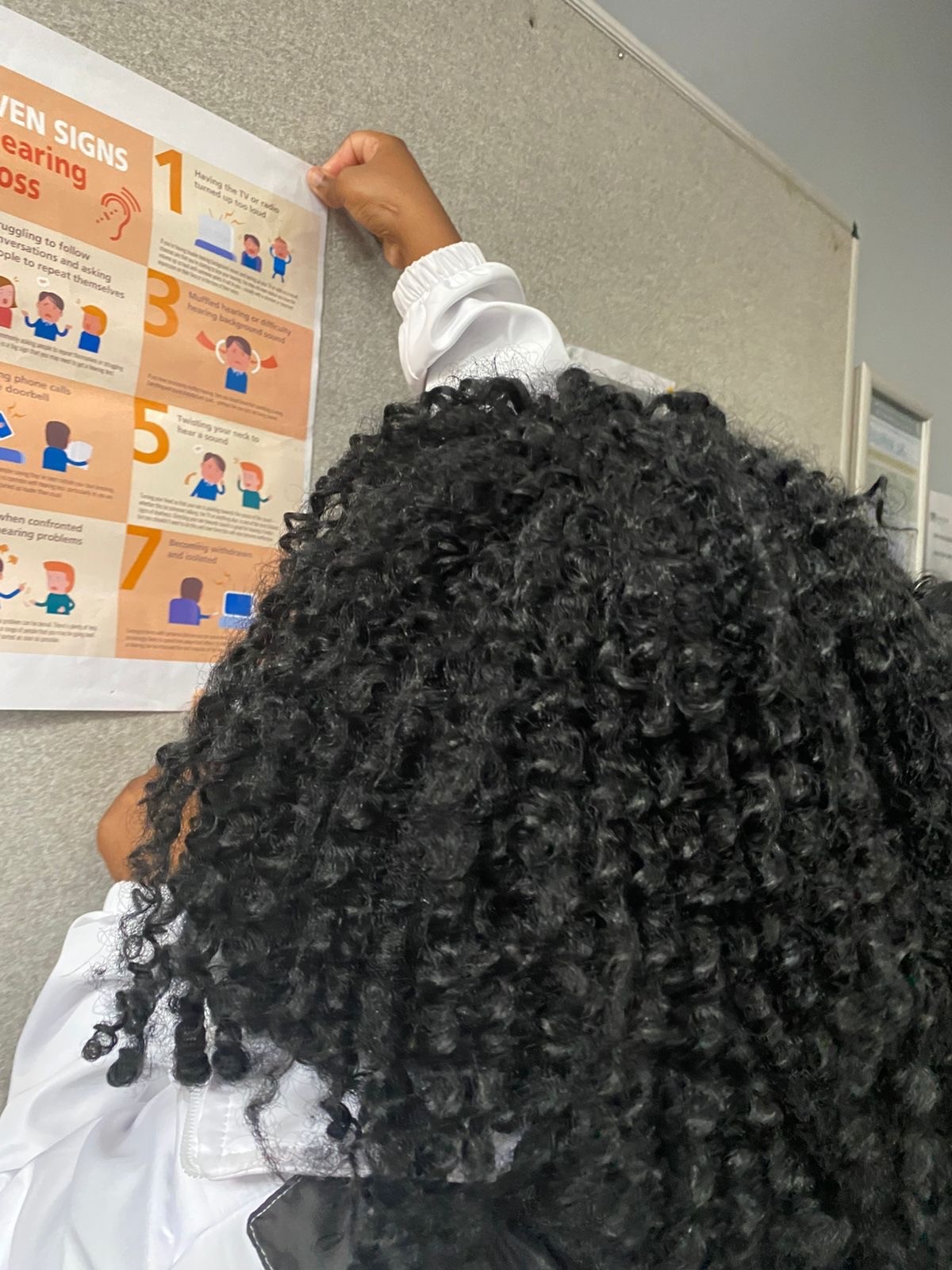
Knowledge sharing at school
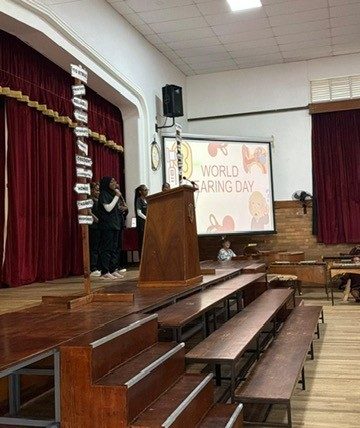
School engagement with teachers
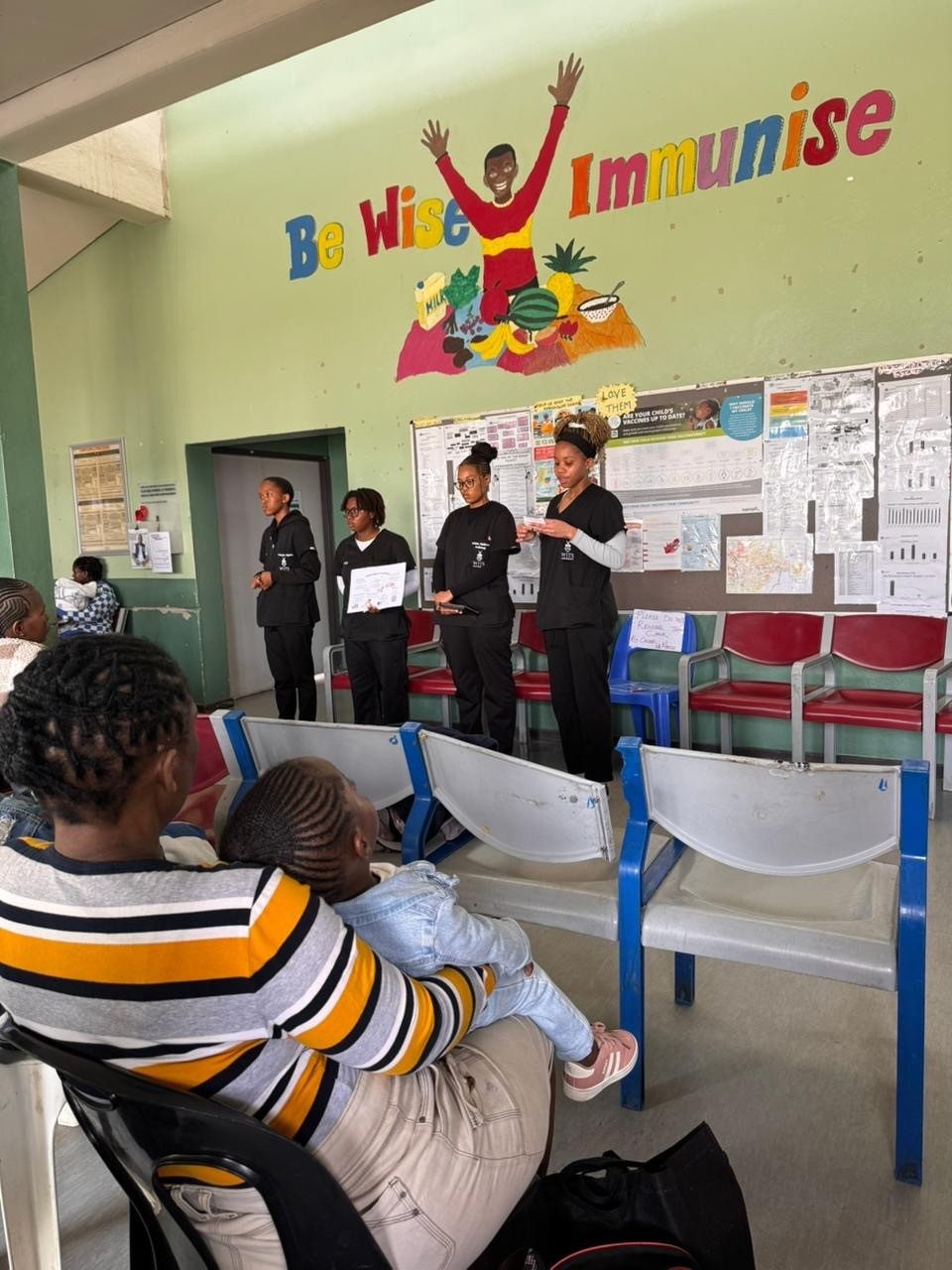
Clinic awareness campaign with caregivers
Types of Engagement:
Live event: Yes
Screening: Yes
Traditional media: No
Social media: Yes
Special needs populations: children and adolescents
Met with individual policymaker: No
Participation of policy makers: No
Participation of influencers: No
WHO technical tool used: Yes
WHO educational and social media used: Yes