Organization: Tianjin First Central Hospital
Title: Tianjin First Central Hospital World Hearing Day Event on March 3
Al title (for format and translation – not permanent:
Tianjin First Central Hospital World Hearing Day event on March 3
Description:
March 3, 2026, marks the 27th “National Ear Care Day”. Under the theme “Science-Based Ear Care for All, Joint Protection of Hearing Health”, and in response to the call of Ear Care Day, Tianjin First Central Hospital, Department of Otorhinolaryngology Head and Neck Surgery has organized a series of themed activities to further promote hearing health education and support the high-quality development of hearing disability prevention during the 15th Five-Year Plan period.
These activities include:
Tianjin Hearing Rehabilitation Symposium and Exchange Meeting
Joint free clinics across the city
Community health counseling
Targeted assistance to primary hospitals
Popular science lectures
Specialized outpatient services
Focusing on ear care, hearing disability prevention and public welfare medical services, the series of events have effectively raised public awareness of protecting hearing health and achieved favorable social effects and public welfare outcomes.
Primary site: WPR – China
Region: WPR
Impactful Story:
Wang Wei, Director of the Department of Otorhinolaryngology, Head and Neck Surgery, Tianjin First Central Hospital, conducted on-site professional examinations including otoscopy and pure tone audiometry for patients with hearing loss and ear discomfort. A one-stop health service system covering screening, diagnosis and rehabilitation guidance was established. With meticulous medical treatment and patient responses to inquiries, the expert team helped the public resolve their health concerns.
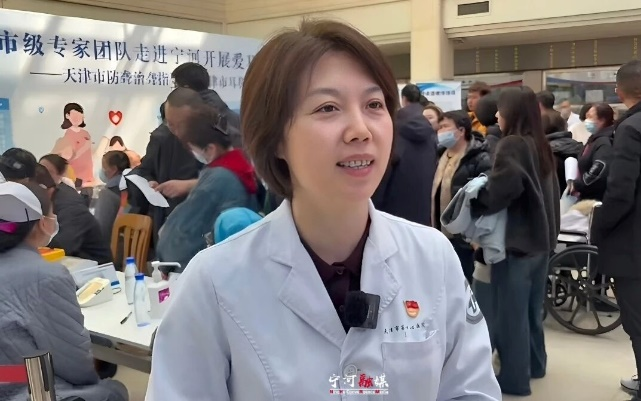
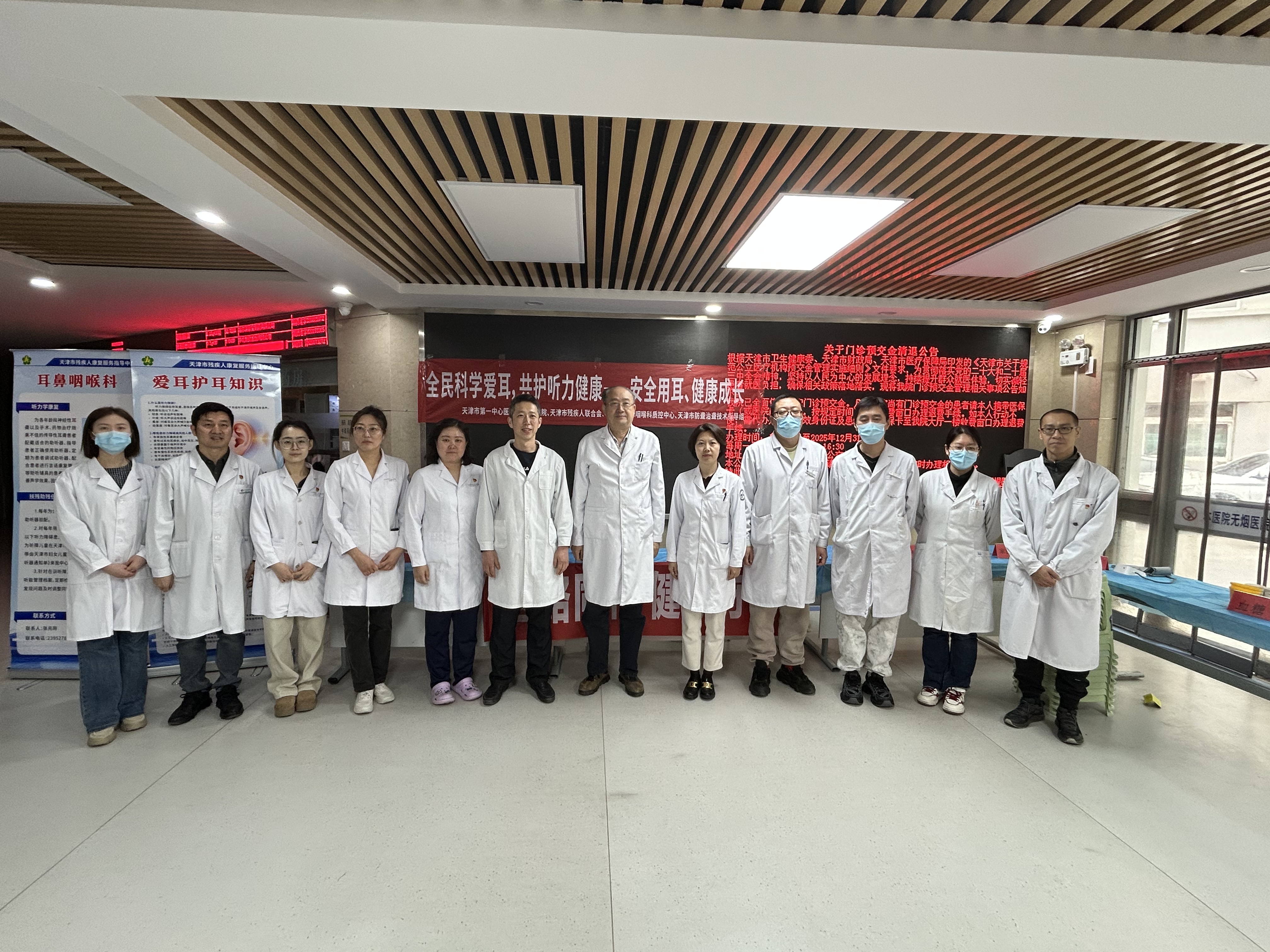
General Photos
Health Consultation at Wangdingdi Community Hospital
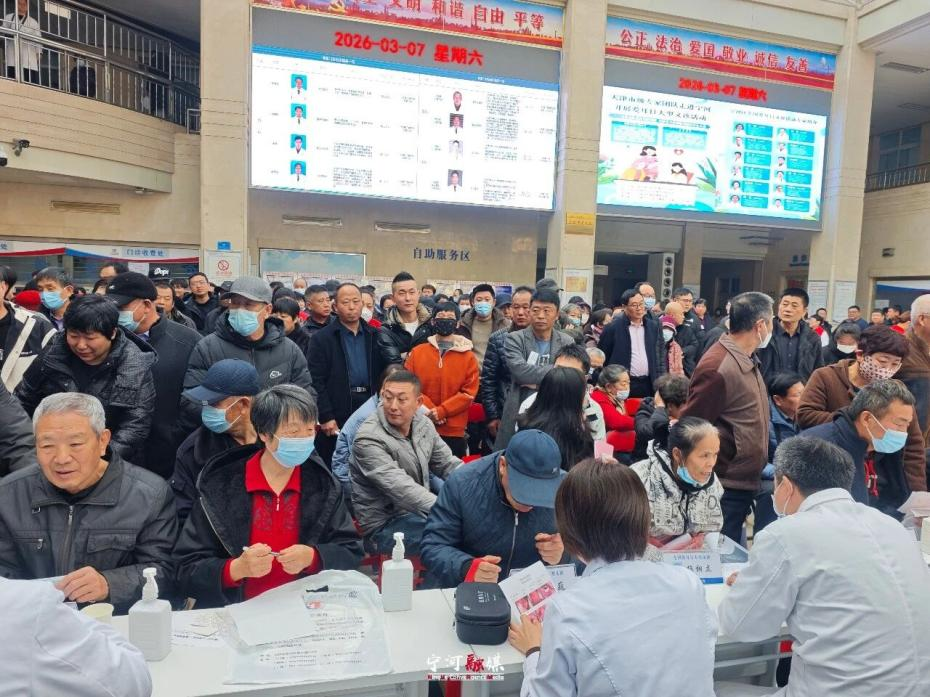
At the Free Clinic Site

Patients with cochlear implants attended the Tianjin Hearing
Types of Engagement:
Live event: Yes
Screening: Yes
Traditional media: Yes
Social media: Yes
Special needs populations: persons with disabilities (including hearing loss), children and adolescents, older adults, rural or remote population
Met with individual policymaker: Yes
Participation of policy makers: Yes
Participation of influencers: No
WHO technical tool used: No
WHO educational and social media used: No