Organization: Sound Hearing 2030 (Society for Sound Hearing)
Title: World Hearing Day Activities
Al title (for format and translation – not permanent:
World Hearing Day activities
Description:
A series of high-level academic seminars focused on the “Burden of Hearing Loss and Safe Listening” were hosted at several medical colleges: BPS Medical College, Sonepat : This seminar introduced the WHO’s “Make Listening Safe” initiative. Key discussions included the impact of lifestyle and technology on Noise-Induced Hearing Loss (NIHL) and the necessity of community engagement. Kalpana Chawla Government Medical College, Karnal (October 3, 2025): Experts highlighted the socioeconomic consequences of untreated hearing impairment and the urgent need for early screening and policy integration .N.C. Medical College & Hospital, Panipat : This event emphasized that modern hearing loss is largely preventable through “Safe Listening” habits, particularly among youth who are at risk due to improper headphone use. Audiology in ENT at MAMC : A specialized scientific program provided hands-on training for advanced diagnostic tests, including BERA, VEMP, and VNG. Community and School-Based Screenings Direct community interventions focused on early identification and prevention: Bhaikaka University, Gujarat : Launched an integrated program for adolescent girls, combining anaemia control with awareness on hearing loss identification. School Screening Programme, Daryaganj : Screenings at SKV Dayanand and SKV Bulbuli Khana involved 222 female students. Significant findings included a 26.2% prevalence of ear wax at SKV Dayanand and high rates of ear pain, itching, and tinnitus (nearly 38%) at SKV Bulbuli Khana. Recommendations included professional wax removal and ENT referrals for symptomatic students. World Hearing Day 2026 Observances In March 2026, MAMC and Sound Hearing 2030 organized several sensitization events: Educational Sessions: On March 5, 2026, students were briefed on the National Programme for Prevention and Control of Deafness under the theme “From Communities to Classrooms: Hearing for all”. Public Outreach: A sensitization program along with ear screening was held in the ENT OPD area to educate the general public on the “do’s and don’ts” of ear care. This included demonstrating the WHO hearing test app and distributing informational pamphlets. Sound Hearing 2030 & Maulana Azad Medical College, New Delhi in collaboration with: National Institute of Health & Family Welfare (NIHFW), Munirka, New Delhi organized an ear and hearing camp at National Institute of Health & Family Welfare (NIHFW), Munirka, New Delhi. Approx. 200 individuals were screened.
Key Recommendations and Takeaways Across all reports, several consistent strategies emerged for mitigating the global burden of hearing loss: Adoption of Safe Listening Standards: Encouraging the “60/60 rule” (60% volume for 60 minutes) and the use of noise-cancelling headphones. Early Intervention: Strengthening primary-level screening and integrating ear care into existing school and community health programs. Awareness and Education: Utilizing diverse communication channels—such as street plays, quizzes, and digital media—to reach the youth and de-stigmatize hearing aids.
Primary site: SEAR- India
Region: SEAR
Secondary sites:India
General Photos
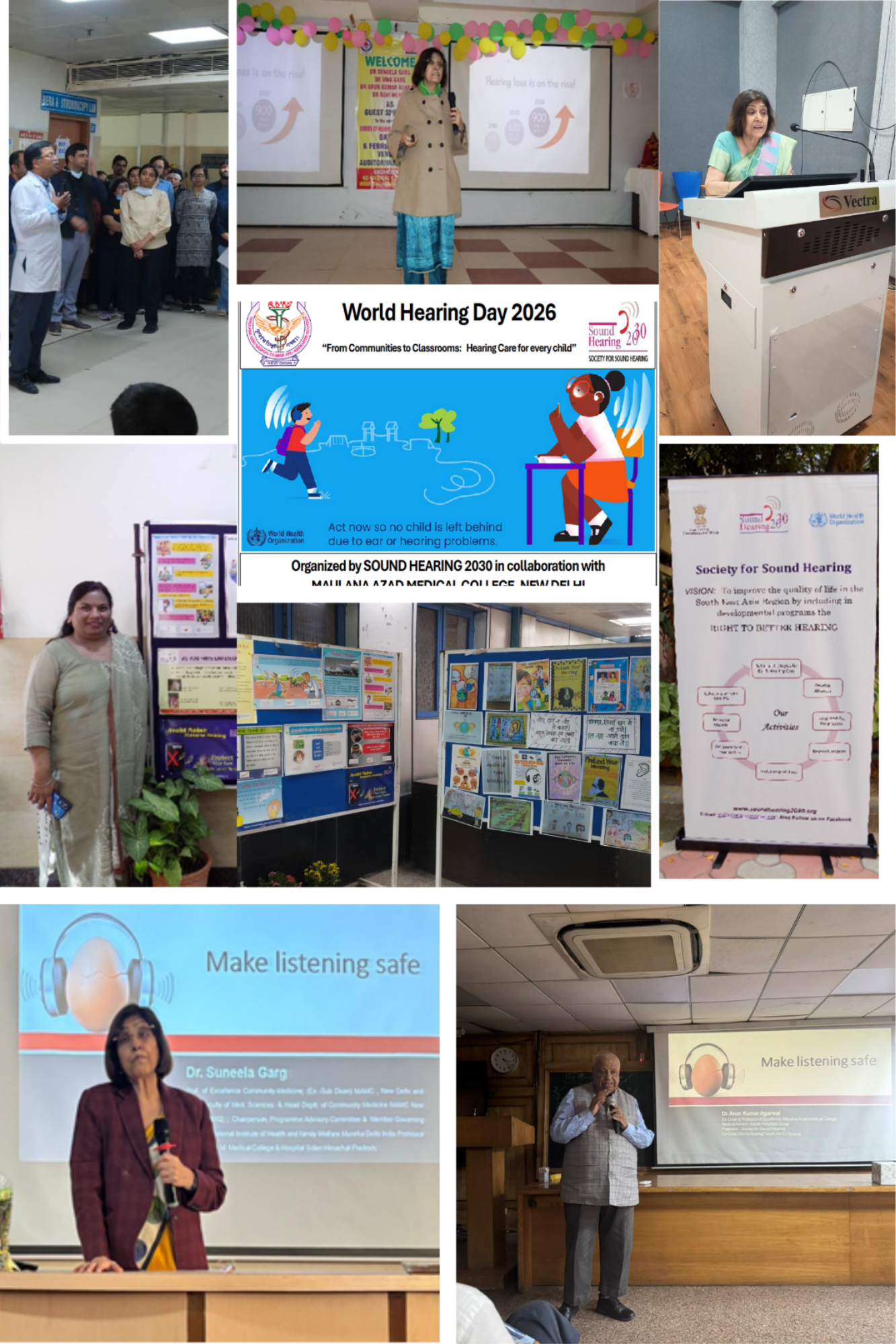
Make listening Safe activities
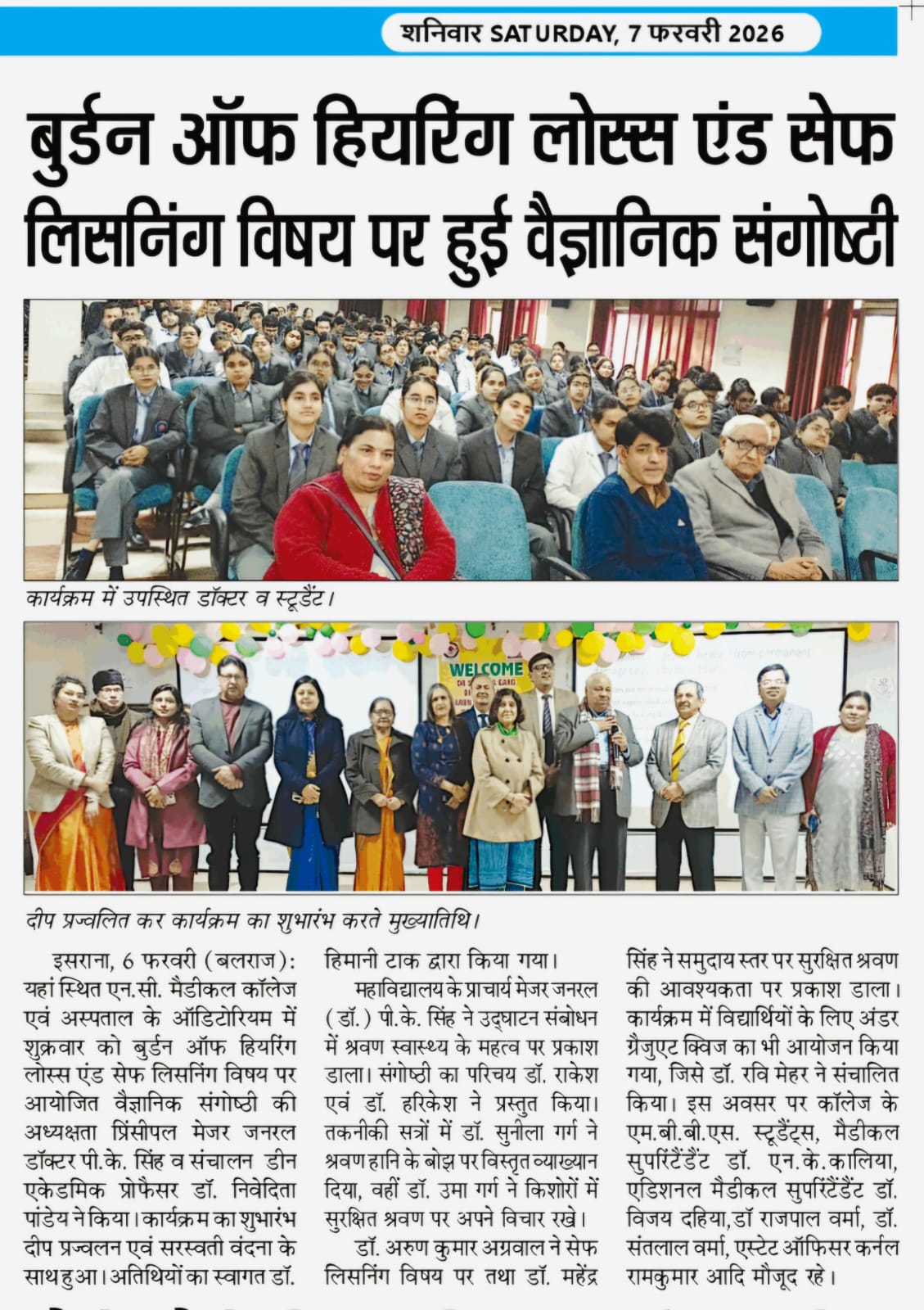
Safe Listening programme
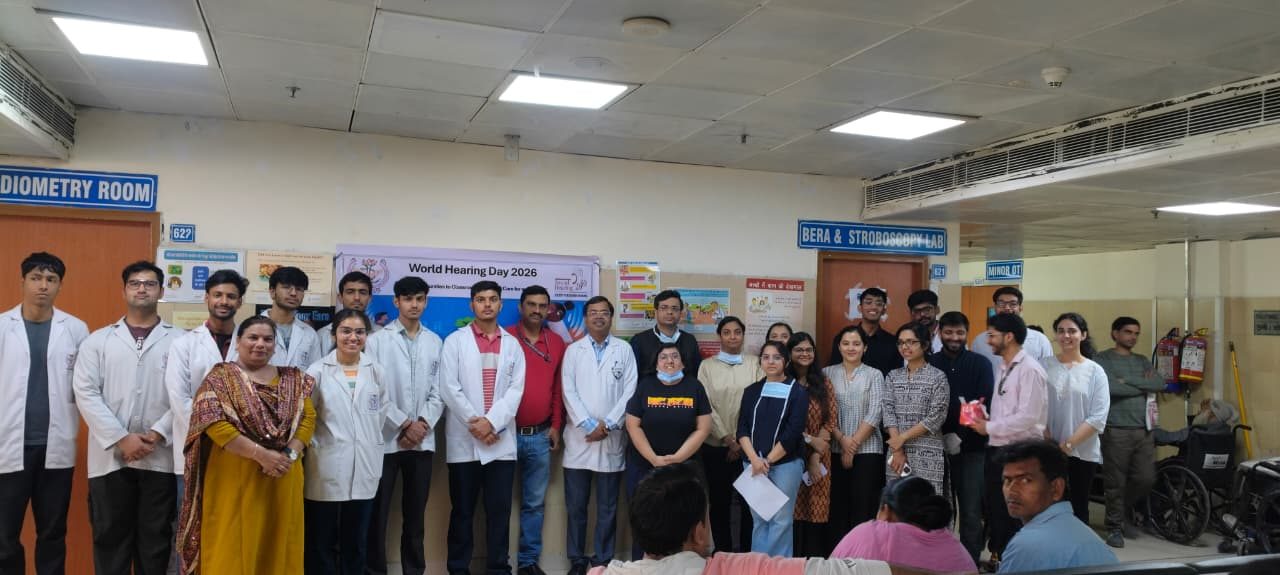
In ENT OPD
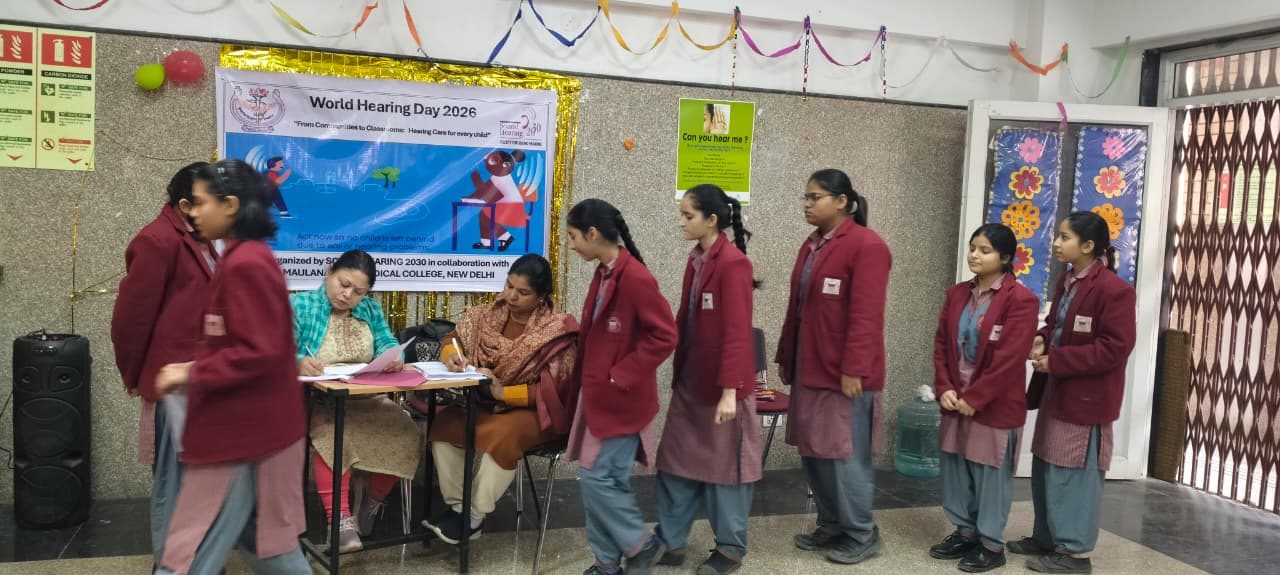
School Screening programme
Types of Engagement:
Live event: Yes
Screening: Yes
Traditional media: Yes
Social media: Yes
Special needs populations: persons with disabilities (including hearing loss), children and adolescents, older adults, rural or remote population
Met with individual policymaker: Yes
Participation of policy makers: Yes
Participation of influencers: No
WHO technical tool used: Yes
WHO educational and social media used: Yes