Organization: Western Sydney Hearing Clinic
Title: Western Sydney Hearing Clinic Preschool Hearing Screening Initiative Supporting World Hearing Day 2026
Al title (for format and translation – not permanent:
From communities to classrooms: preschool hearing screening initiative supporting World Hearing Day 2026
Description:
As part of the World Health Organization (WHO) World Hearing Day 2026 campaign and its theme, “From Communities to Classrooms: Hearing Care for All Children,” a preschool hearing screening initiative was conducted at Noah’s Ark Preschool, Quakers Hill, NSW, to promote awareness of childhood hearing health and the importance of early identification of hearing concerns. The initiative was led by Deepthi Mahadeva, Principal Audiologist of Western Sydney Hearing Clinic and a member of Independent Audiologists Australia.
The initiative aimed to provide early ear and hearing screening for preschool-aged children, identify possible middle ear or hearing concerns requiring further follow-up, and raise awareness among educators and families regarding the importance of routine hearing checks during early childhood. Early identification of hearing difficulties is essential for supporting speech, language, social development, classroom participation, and educational readiness in children.
A total of 21 preschool children participated in the screening activity. Screening procedures included otoscopy, tympanometry, and pure tone audiometry screening. Tympanometry was used to assess middle ear function and identify possible middle ear pathology such as middle ear effusion or Eustachian tube dysfunction. Pure tone screening was conducted to evaluate hearing responses and identify children who may require further audiological assessment or monitoring.
Of the 21 children screened, 15 children in the right ear and 16 children in the left ear demonstrated Type A tympanograms, indicating normal middle ear function bilaterally. Two children in the right ear and one child in the left ear presented with Type B tympanograms, while three children bilaterally demonstrated Type C tympanograms, suggesting possible middle ear dysfunction, negative middle ear pressure, or middle ear effusion. One tympanometry assessment could not be completed bilaterally due to limited cooperation during testing.
For pure tone screening, 15 children passed in the right ear and 16 children passed in the left ear, indicating hearing responses within expected screening limits at the time of testing. One child obtained a refer result in the right ear and was recommended for further audiological follow-up assessment. In addition, five screenings could not be completed reliably in each ear due to reduced participation, limited attention span, fatigue, or inconsistent behavioral responses, which are commonly encountered during preschool screening activities.
This program aligned closely with the goals of World Hearing Day 2026 by supporting community-based hearing care initiatives and promoting access to early hearing identification services for children. The activity reinforced the role of preventive hearing health care within preschool and educational environments and demonstrated the value of collaborative community approaches in supporting children’s developmental and educational outcomes.
Overall, the initiative was successful in delivering hearing screening services within a preschool setting while raising awareness of the importance of childhood hearing care among educators, families, and the local community. The activity contributed to the broader WHO World Hearing Day mission of promoting ear and hearing care globally and encouraging early intervention strategies that support healthy communication and learning outcomes for all children.
Primary site: WPR – Australia
Region: WPR
Impactful Story:
The World Hearing Day 2026 preschool screening initiative at a local Preschool, Quakers Hill, enabled early identification of children with possible middle ear conditions that may otherwise have gone unnoticed. Several children involved in regular swimming activities demonstrated abnormal tympanometry findings suggestive of middle ear dysfunction or middle ear effusion. One child attending regular swimming lessons was identified with significant middle ear concerns despite no prior hearing concerns being raised. Families were advised to seek further medical and audiological follow-up, highlighting the importance of community-based hearing screening in supporting early intervention, communication, and educational outcomes for children.
General Photos
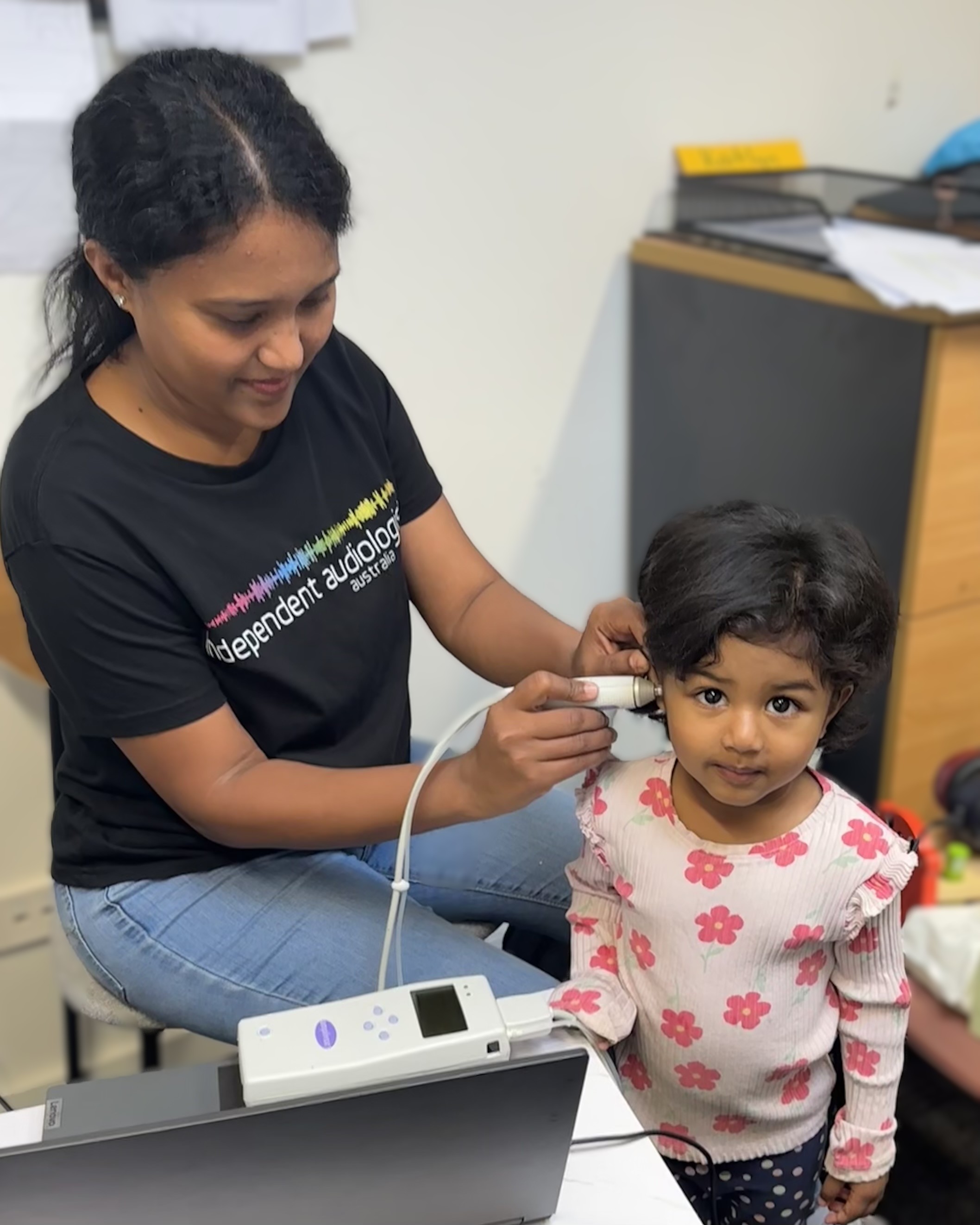
From Communities to Classrooms: Preschool Hearing Care
Types of Engagement:
Live event: No
Screening: Yes
Traditional media: No
Social media: No
Special needs populations: children and adolescents
Met with individual policymaker: No
Participation of policy makers: No
Participation of influencers: No
WHO technical tool used: No
WHO educational and social media used: Yes