Organization: MED-EL Elektromedizinische Geraete
Title: Hearing Awareness Event in Freetown
Al title (for format and translation – not permanent:
Hearing awareness event in Freetown
Description:
Hearing Awareness Event in Freetown / Sierra Leone
Hearing loss during childhood can profoundly affect language development, school performance, social participation, and lifelong opportunities. Yet in many low-resource settings, hearing impairment remains undetected and untreated, particularly among school-age children. The World Hearing Day 2026 campaign, with its theme “From communities to classrooms: hearing care for all children”, highlights the urgent need to prevent avoidable hearing loss and to ensure early identification, care and inclusion of children with hearing difficulties by linking community and school-based actions.
In recognition of World Hearing Day 2026, a multi-day visit will take place in Freetown, Sierra Leone, aimed at raising awareness about hearing health and strengthening the early detection of hearing loss in children.
The initiative combines hearing screenings, professional exchange, and stakeholder engagement to promote awareness and support the development of sustainable hearing care services.
Objectives
The planned activities aim to:
– Raise awareness among healthcare professionals, educators, and decision-makers about the importance of hearing and the consequences of untreated hearing loss for speech development, learning, and social participation.
– Promote early detection of hearing loss through hearing screenings for newborns and schoolchildren.
– Strengthen local capacity by involving regional experts, including an ENT specialist from Freetown, an audiologist from Ghana trained through MED-EL, and a cochlear implant user and hearing health advocate from Nigeria.
– Support children with hearing loss through a hearing aid donation in cooperation with the partner organization VICTOFON.
Planned Activities:
4 March 2026 – Newborn Hearing Screening (Hospital, Freetown)
Newborn hearing screenings will be conducted at a hospital in Freetown by a trained audiologist from Ghana. The goal is to identify possible hearing concerns early and refer children for further diagnostic assessment and appropriate care where needed.
5 March 2026 – School Hearing Screening (Freetown)
Hearing screenings for schoolchildren will be carried out at a local school to help identify hearing problems that may affect learning and school performance and to initiate appropriate follow-up where necessary.
6 March 2026 – Hearing Awareness Symposium (Freetown)
A symposium organized with local partners will bring together healthcare professionals, educators, and stakeholders to discuss the importance of hearing, strategies for early detection, and approaches to strengthening hearing care services. The event will also include the presentation of a hearing aid donation initiative and a personal experience shared by a cochlear implant user from Nigeria.
Primary site: AFR – Sierra Leone
Region: AFR
Impactful Story:
During the World Hearing Day activities in Freetown, several children and young people with hearing loss received hearing aids as part of the donation programme.
One school child had been struggling to follow conversations and lessons because of undiagnosed hearing loss. During the screening activity she received a hearing test and was later fitted with hearing aids by the ENT team.
With the hearing aids she was able to hear voices and sounds more clearly. This makes it easier to follow what teachers say in class and to take part in conversations with friends and family.
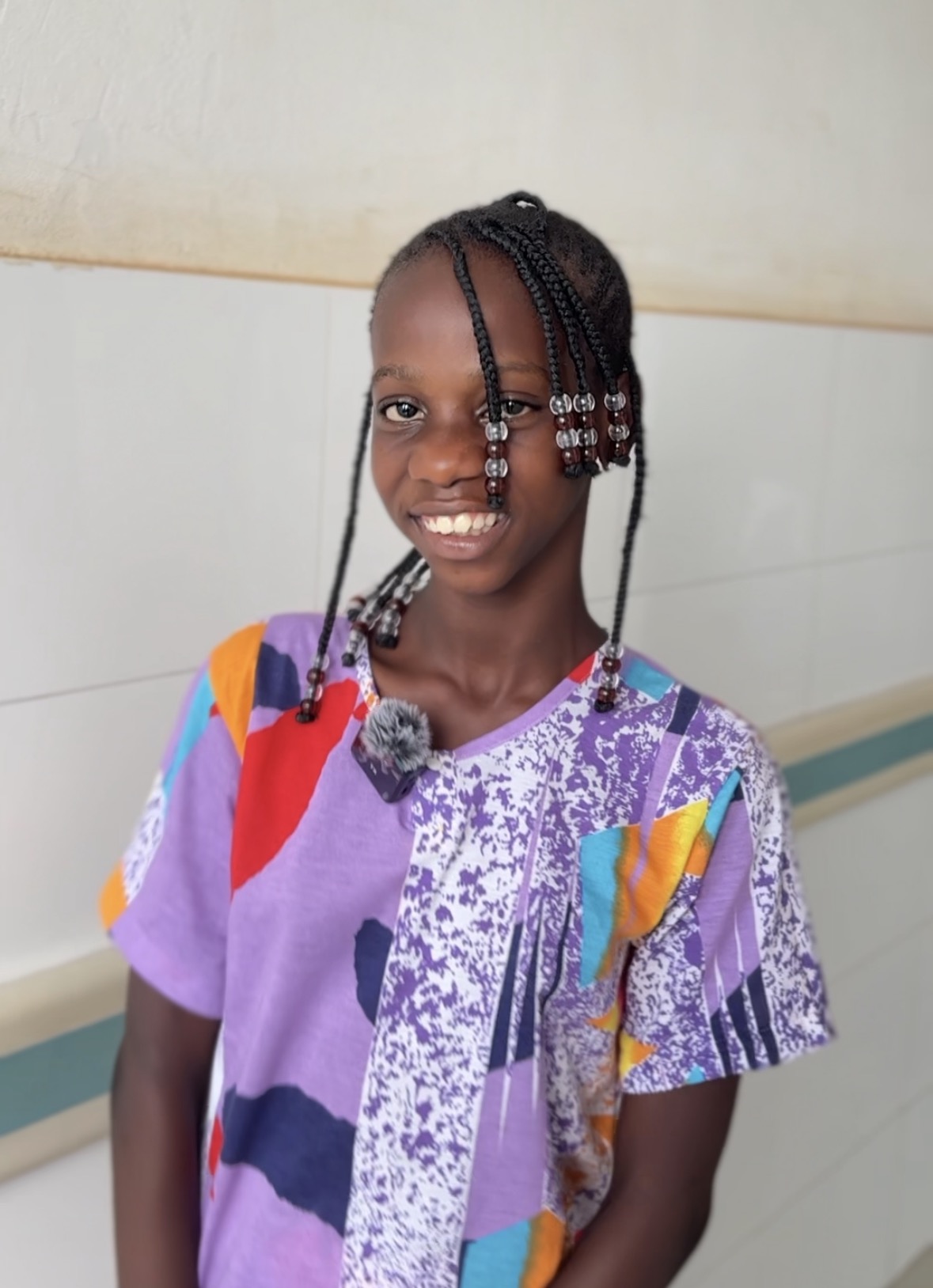
General Photos
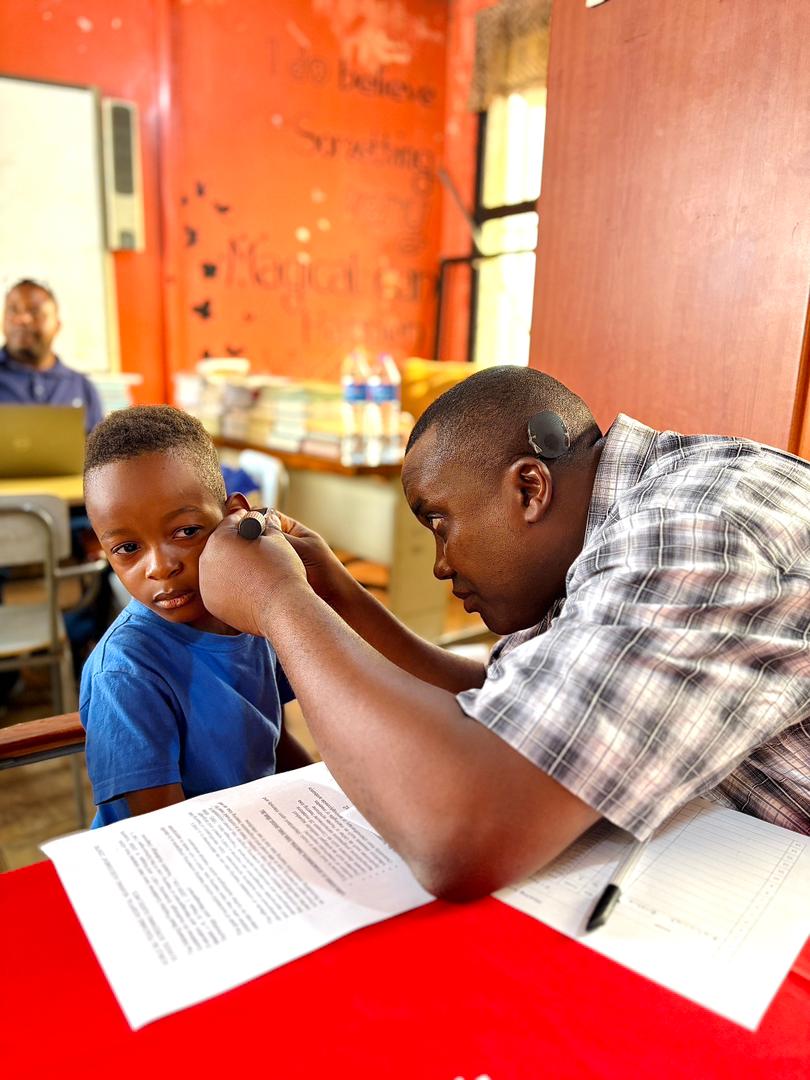
Dr. Sam (ENT & CI user himself) at school hearing screenings
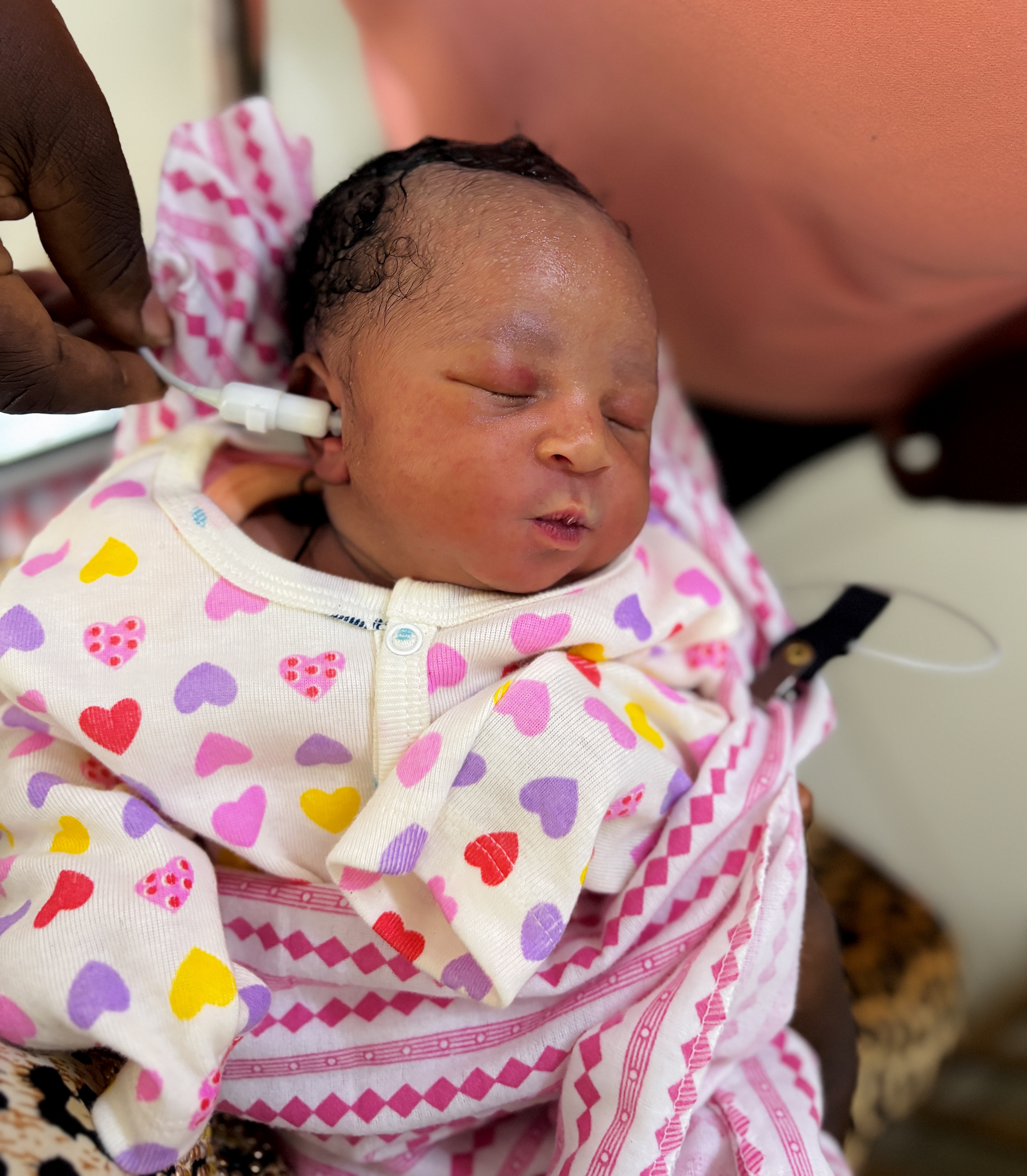
Newborn hearing screenings in Freetown
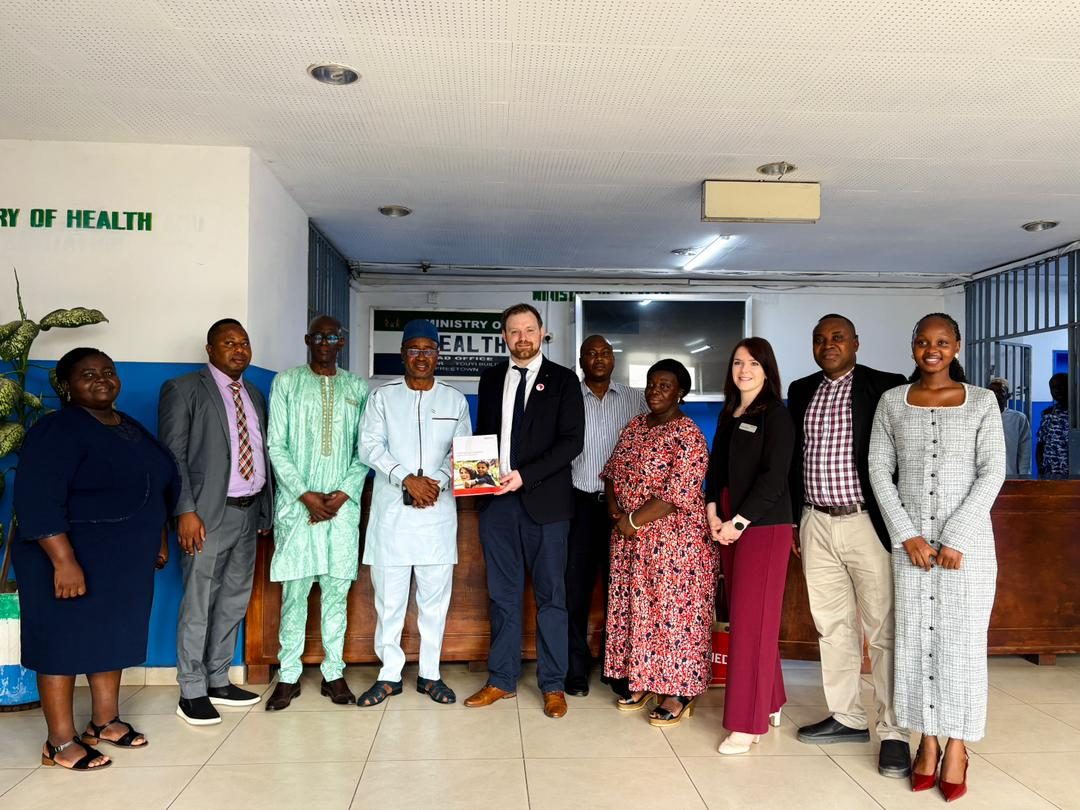
Meeting with Prof. Senesie (Dep. Minister of Health)
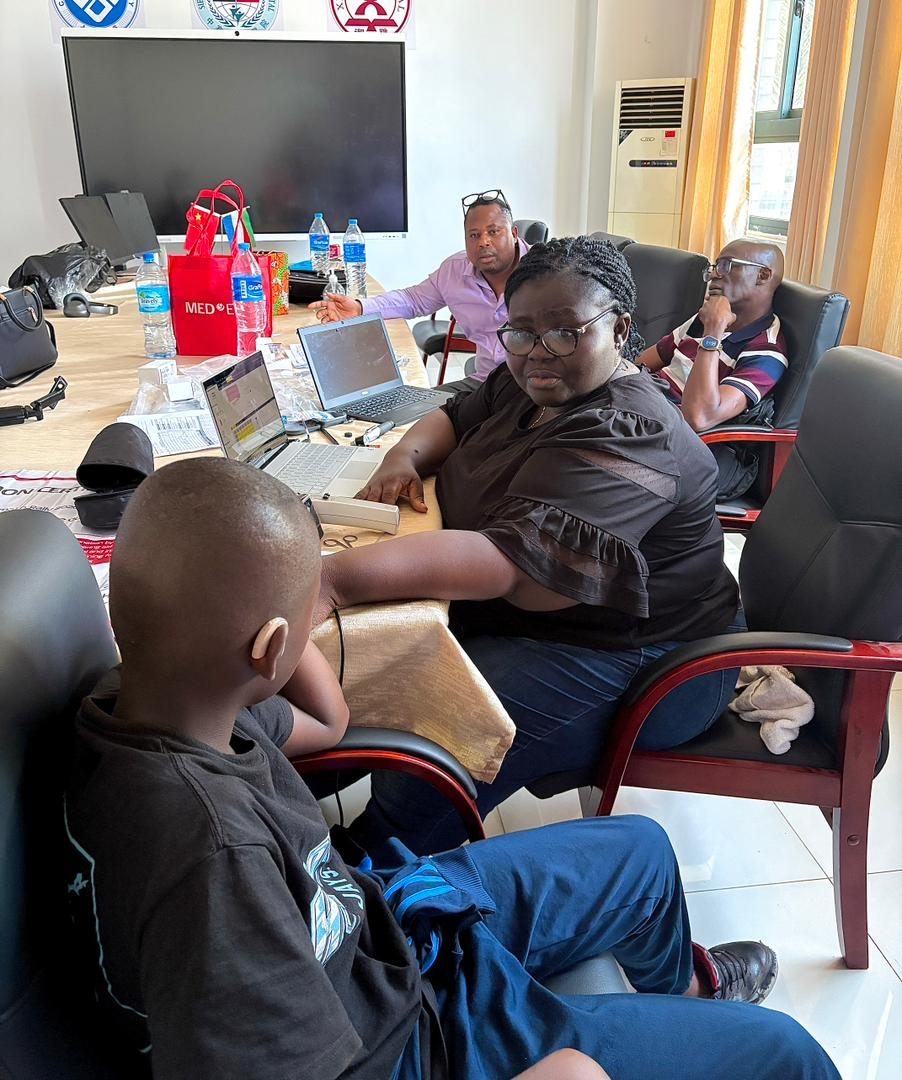
Children and young adults were fitted with hearing aids
Types of Engagement:
Live event: Yes
Screening: Yes
Traditional media: Yes
Social media: Yes
Special needs populations: persons with disabilities (including hearing loss), children and adolescents
Met with individual policymaker: Yes
Participation of policy makers: Yes
Participation of influencers: Yes
WHO technical tool used: Yes
WHO educational and social media used: Yes