Organization: Sanchar A.R.O.D
Title: From Communities to Classrooms: Early Identification, Inclusion and Empowerment for Children with Hearing Loss
Al title (for format and translation – not permanent:
From communities to classrooms: early identification, inclusion, and empowerment for children with hearing loss
Description:
SANCHAR A.R.O.D. implemented a comprehensive, community-to-classroom initiative in alignment with World Hearing Day 2026, guided by the theme “From communities to classrooms: hearing care for all children.” The programme aimed to strengthen early identification, improve access to hearing care, promote inclusive education, and build awareness among communities, caregivers, and institutions.
The initiative adopted a multi-level approach, integrating health, education, and community systems. Activities began with community outreach and awareness-building, followed by screening, school engagement, capacity-building, and stakeholder consultations. The programme was implemented across multiple Gram Panchayats, schools, and health centres, reaching children, caregivers, teachers, frontline workers, and local governance representatives.
A key component of the programme was early identification of hearing concerns. Two rounds of audiometry (ear testing) camps were conducted for both children and adults, covering approximately 100 individuals, including persons with and without disabilities. These screenings helped identify children requiring further support. Fourteen children were provided with hearing aids through linkages with available support systems, improving their ability to communicate and participate in learning environments. Information on preventive ear care, early signs of hearing loss, and access to government schemes such as ADIP and Swasthya Sathi was also disseminated to families to reduce financial and informational barriers.
Schools were engaged as critical platforms for inclusion. Awareness and sensitization sessions were conducted across multiple primary and upper primary schools, reaching a large number of students and teachers. These sessions focused on understanding hearing impairment, promoting inclusive classroom practices, and reducing stigma. Participatory methods such as poster discussions and basic Indian Sign Language (ISL) demonstrations were used to enhance engagement and empathy among students. Teachers were also oriented on identifying early signs of hearing difficulties and supporting children within classroom settings.
Community-level awareness was strengthened through interactive sessions at community centres, health facilities, and local governance platforms. Caregivers, mothers, and community members actively participated in discussions on ear health, child development, and inclusion. Street-based interactive activities and small group discussions helped create an open dialogue around hearing impairment, rights, and access to services. These efforts contributed to increased awareness and encouraged early care-seeking behaviour.
Capacity-building was another important component of the initiative. Caregivers, teachers, and Anganwadi workers were oriented on early identification, communication strategies, and basic ISL. These efforts aimed to strengthen everyday communication and support systems for children with hearing impairment both at home and in educational settings.
The programme also included stakeholder engagement with Panchayat representatives, education authorities, and frontline workers. Discussions emphasized the importance of integrating hearing screening and early intervention into school health and child health systems. These interactions helped build local ownership and strengthened convergence between different service providers.
A parallel digital and field-level awareness campaign further amplified the message, reaching over 1,000 individuals. The campaign was actively disseminated through social media platforms, including Facebook page posts, WhatsApp sharing, and digital outreach materials, ensuring wider community engagement. The campaign highlighted the importance of early identification, prevention, and inclusive education for children with hearing loss.
Overall, the initiative contributed to improved awareness, early detection, enhanced access to assistive devices, and strengthened inclusive practices across community and school systems, supporting children with hearing impairment to participate more fully in learning and social environments.
Primary site: SEAR- India
Region: SEAR
Secondary sites:India
Impactful Story:
Sk. Afrin, a child with hearing impairment from a low-income family, was identified during a community outreach. Initially withdrawn with limited communication, she received support through audiometry screening, a hearing aid, inclusive education, and Indian Sign Language training. Her mother’s active involvement strengthened this progress. Awareness in her school reduced stigma and improved peer interaction. Today, Afrin is a confident Class 4 student, actively participating in school and cultural activities, including a stage performance at the Kolkata Book Fair. Her journey highlights the impact of early identification, assistive support, and inclusive community and classroom environments.
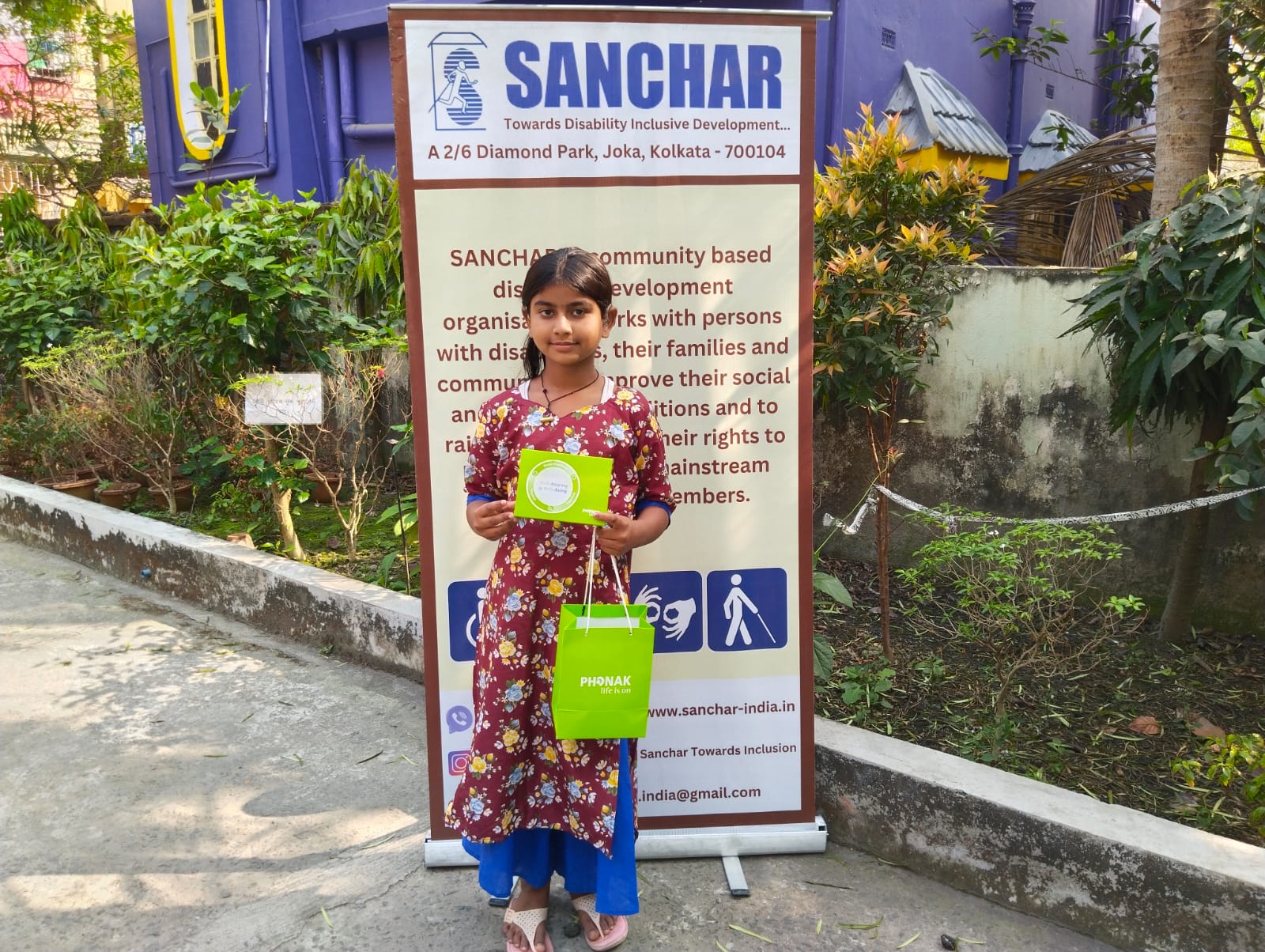
General Photos
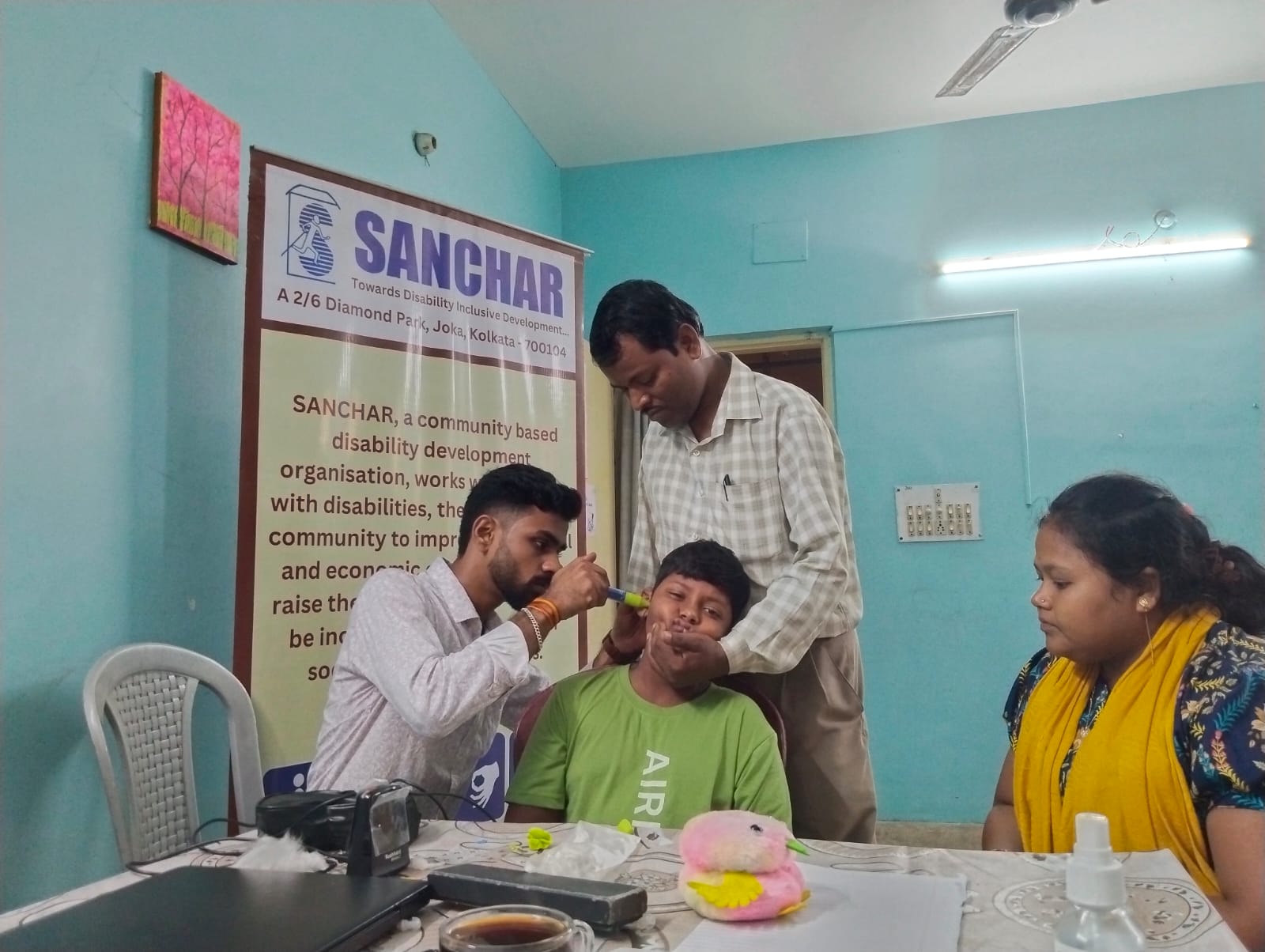
Audiometry screening session conducted at SANCHAR

ISL-based classroom session on inclusion
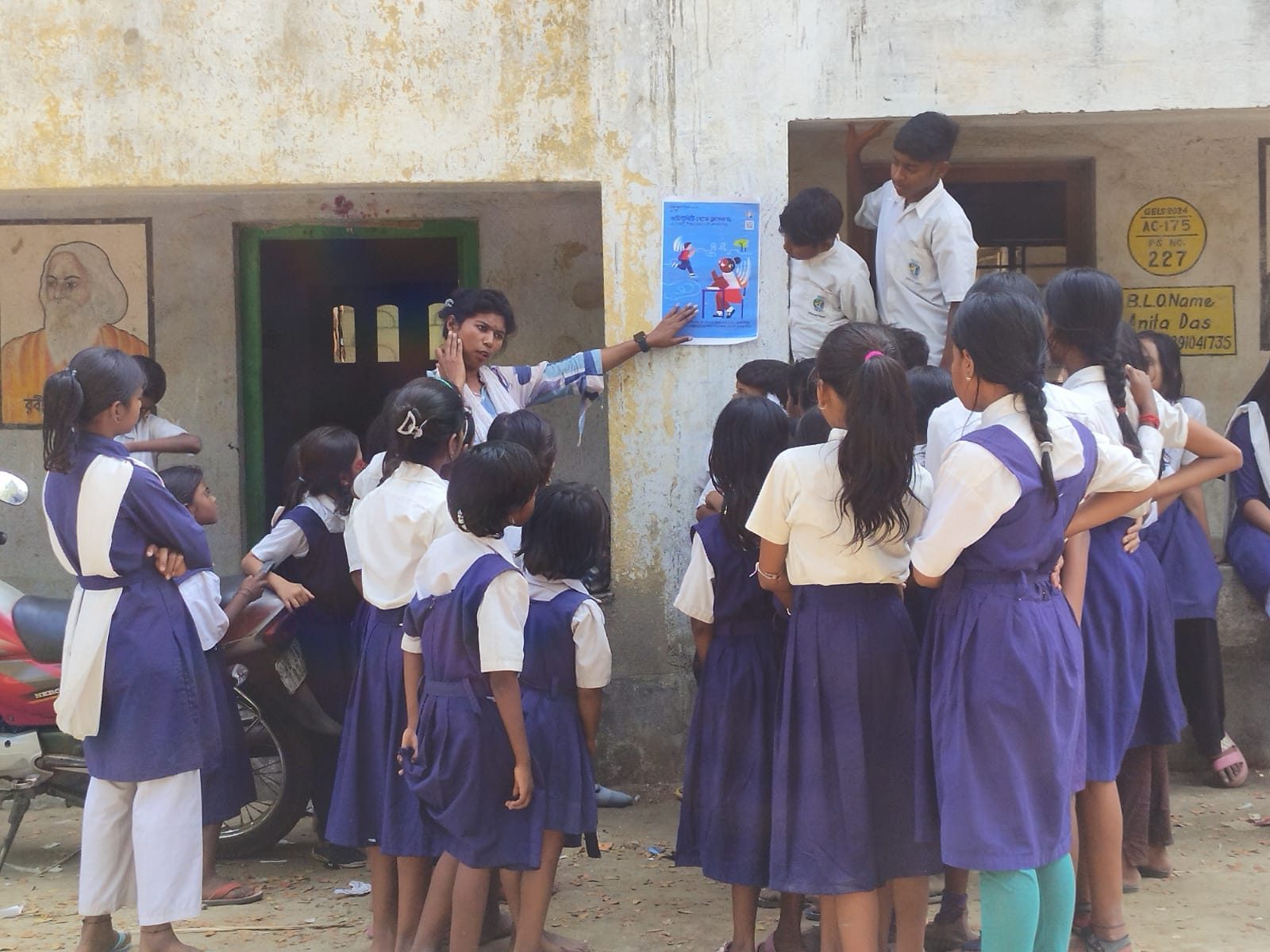
Community awareness on ear health and hearing
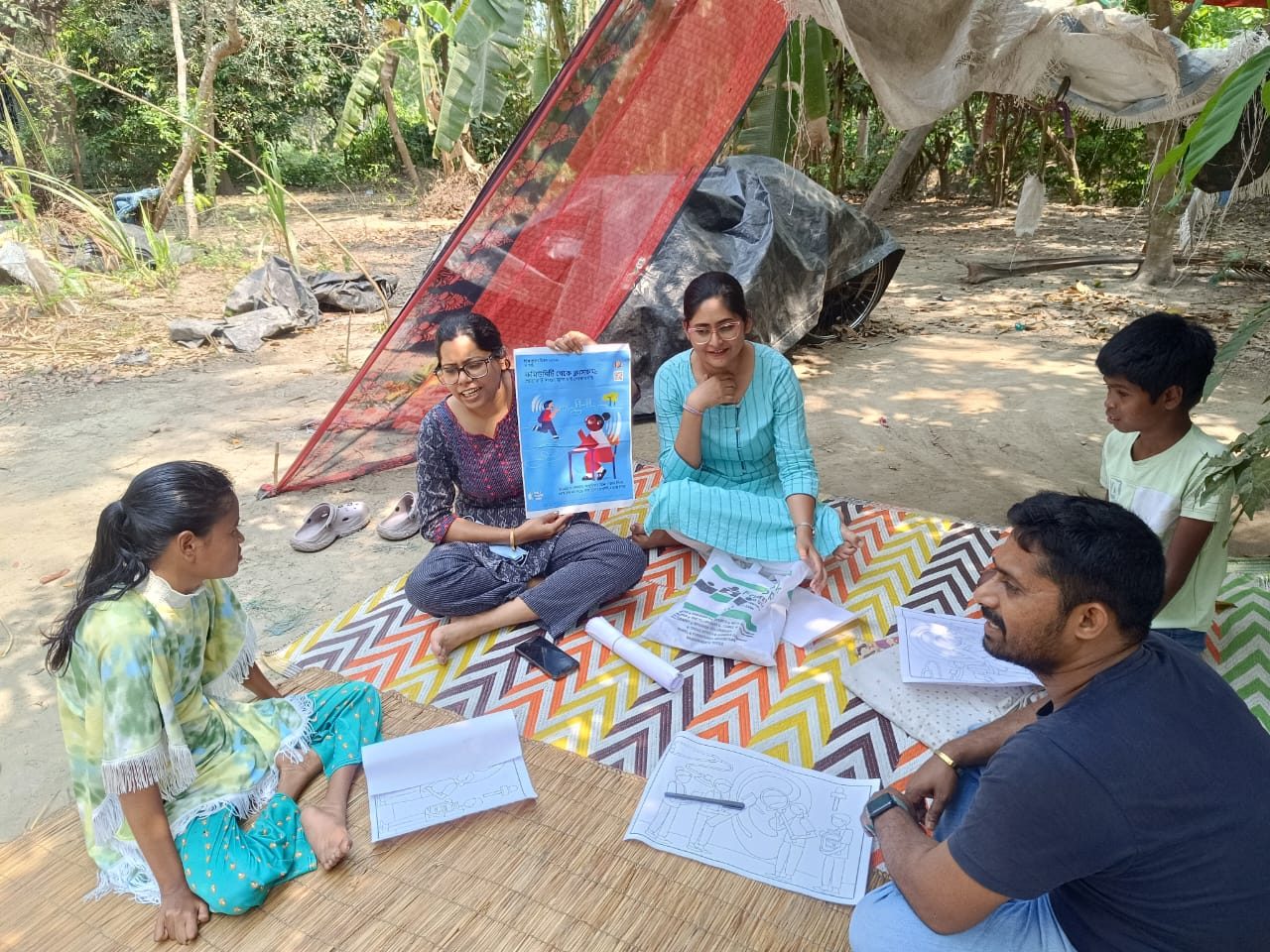
Community session on ear health and hearing awareness
Types of Engagement:
Live event: Yes
Screening: Yes
Traditional media: No
Social media: Yes
Special needs populations: persons with disabilities (including hearing loss), children and adolescents, rural or remote population
Met with individual policymaker: Yes
Participation of policy makers: Yes
Participation of influencers: Yes
WHO technical tool used: No
WHO educational and social media used: Yes