Organization: Dr. Jose N. Rodriguez Memorial Hospital and Sanitarium
Title: Every Child a STAR: Tala Hospital (DJNRMHS) Ear and Hearing Wellness Program for Children
Al title (for format and translation – not permanent:
Every child a star: Tala Hospital (DJNRMHS) Ear and Hearing Wellness Program for Children
Description:
The “Every Child a STAR” program shall establish a comprehensive, sustainable ear and hearing care model for 3,000-5,000 children across three elementary schools within 10km of Dr. Jose N. Rodriguez Memorial Hospital (Tala Hospital), North Caloocan City, Philippines.
This program directly responds to both WHO imperatives:
(1) Preventing avoidable hearing loss through community education using mSafeListening and Basic Ear Care resources,
(2) Ensuring early identification and care through systematic screening using 2025 Implementation Handbook and complete rehabilitation pathway including hearing aids. By integrating all WHO Ear and Hearing Care technical tools into a functioning community-to-classroom system, we create the real-world impact stories WHO seeks to showcase—proving that with proper partnerships, even resource-limited settings can achieve “hearing care for all children.”
YEAR 1 PRIMARY OUTCOMES
Screening & Detection (6 months)
Screen at least 3,000 children across 3 partner elementary schools
Achieve ≥80% screening coverage of enrolled students
Establish baseline prevalence data for chronic otitis media, impacted cerumen, and hearing loss using WHO tracer indicators
Complete referral evaluation for ≥70% of identified children
Treatment & Rehabilitation (12 months)
Treat 150-200 children with reversible ear conditions (OME, CSOM, impacted wax)
Fit at least 30 children with refurbished hearing aids from partner organizations
Achieve ≥75% treatment success rate for treatable conditions
Document ≥80% hearing aid usage at 3-month follow-up
Capacity Building (12 months)
Train at least 30 teachers as “Hearing Health Champions” using WHO materials
Train at least 10 barangay health workers in prevention education
Achieve ≥80% competency retention at 6-month assessment
Community
Reach 800+ parents through prevention education sessions
Achieve ≥70% parent knowledge improvement (pre/post survey)
Improve school attendance by ≥10% for treated children
Policy & Sustainability
Secure formal MOAs with 3 partner schools for program continuation
Present evidence to DepEd North Caloocan
Develop replication toolkit for 5+ additional schools in Year 2
Submit budget request to Caloocan City LGU for institutionalization
DATA COLLECTION
Screening records via electronic data and standardized forms
Treatment outcomes through Tala Hospital clinical records
Pre/post surveys for teachers and parents
School attendance data from partner schools
Quarterly progress reports and annual comprehensive evaluation
Key success metric: By Year 1 end, reduce the proportion of children with unaddressed hearing loss in partner schools by 60%, demonstrating a replicable model for Metro Manila’s elementary public schools
Primary site: WPR – Philippines
Region: WPR
Secondary sites:N/A
Impactful Story:
J.M., a Grade 2 pupil at Tala Elementary School, was often quiet and withdrawn, overlooked because his struggle was invisible. Like many children, his difficulty to connect was not a lack of ability, but a lack of access to hearing care. Through this school-based screening, his hearing loss was identified—revealing how many children silently fall behind without timely detection.
J.M.’s experience is a call to action. Early hearing screening, referral, and support must be accessible to every child. When we invest in hearing health, we protect learning, inclusion, and a child’s right to fully participate in school and in life.
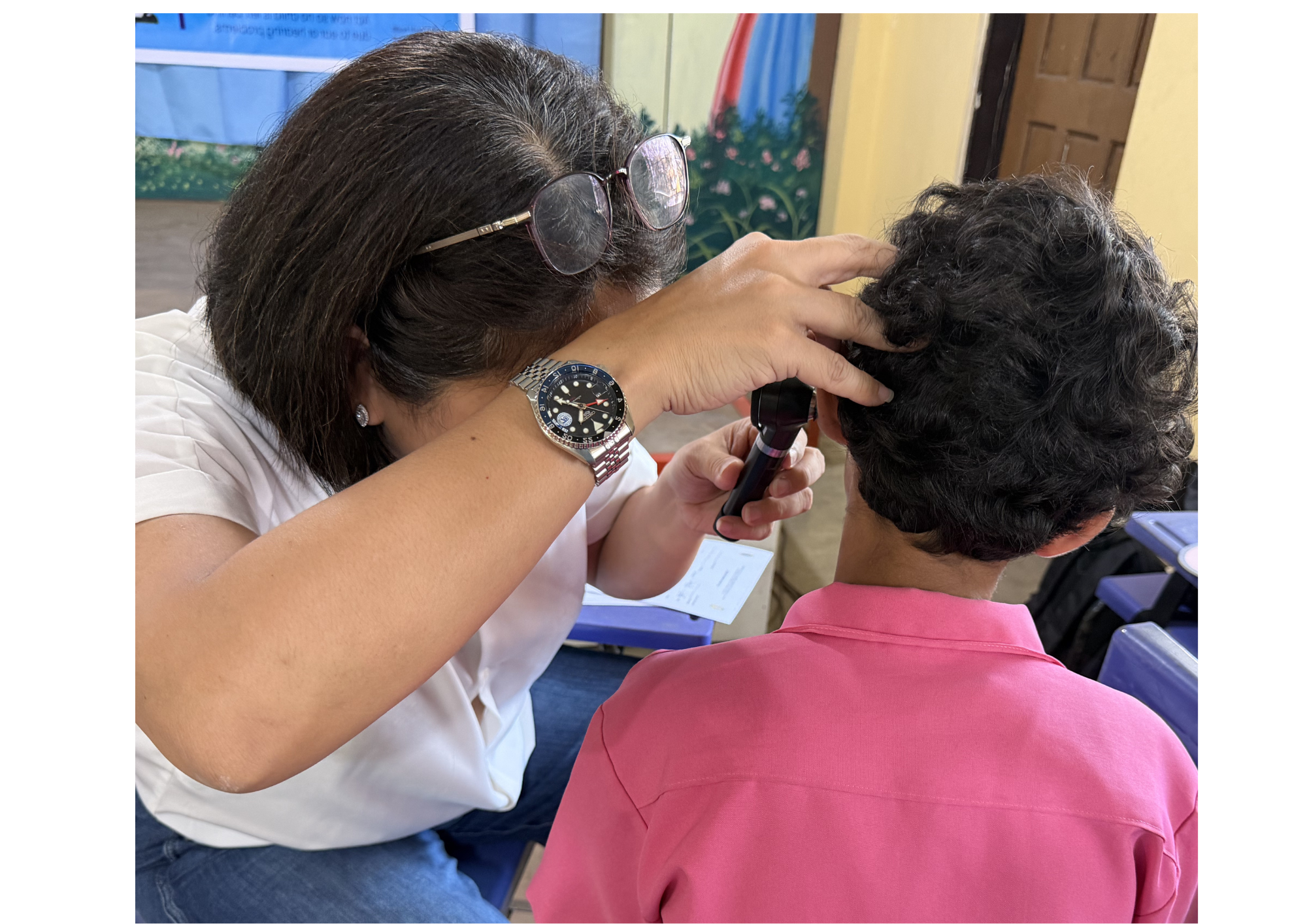
General Photos
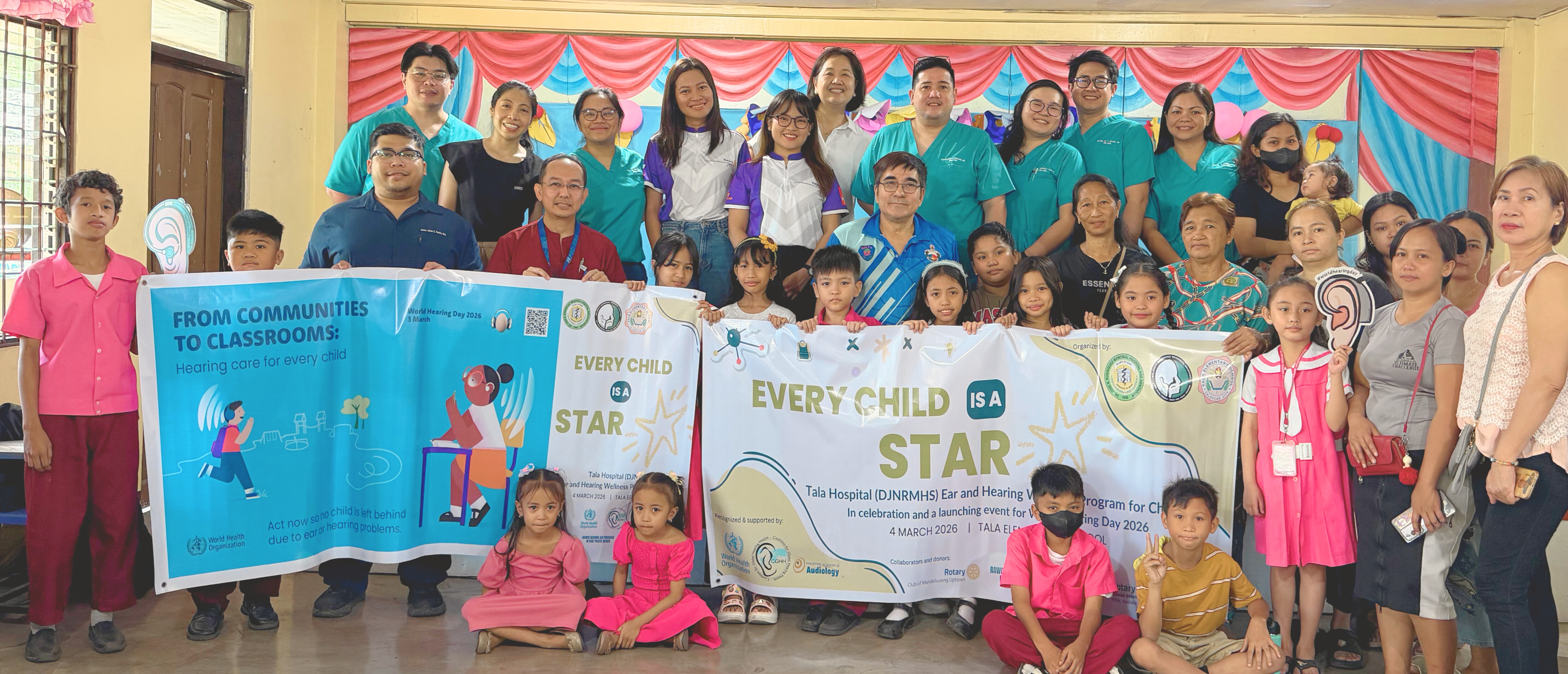
DJNRMHS ENT Team brings hearing care in Tala classrooms
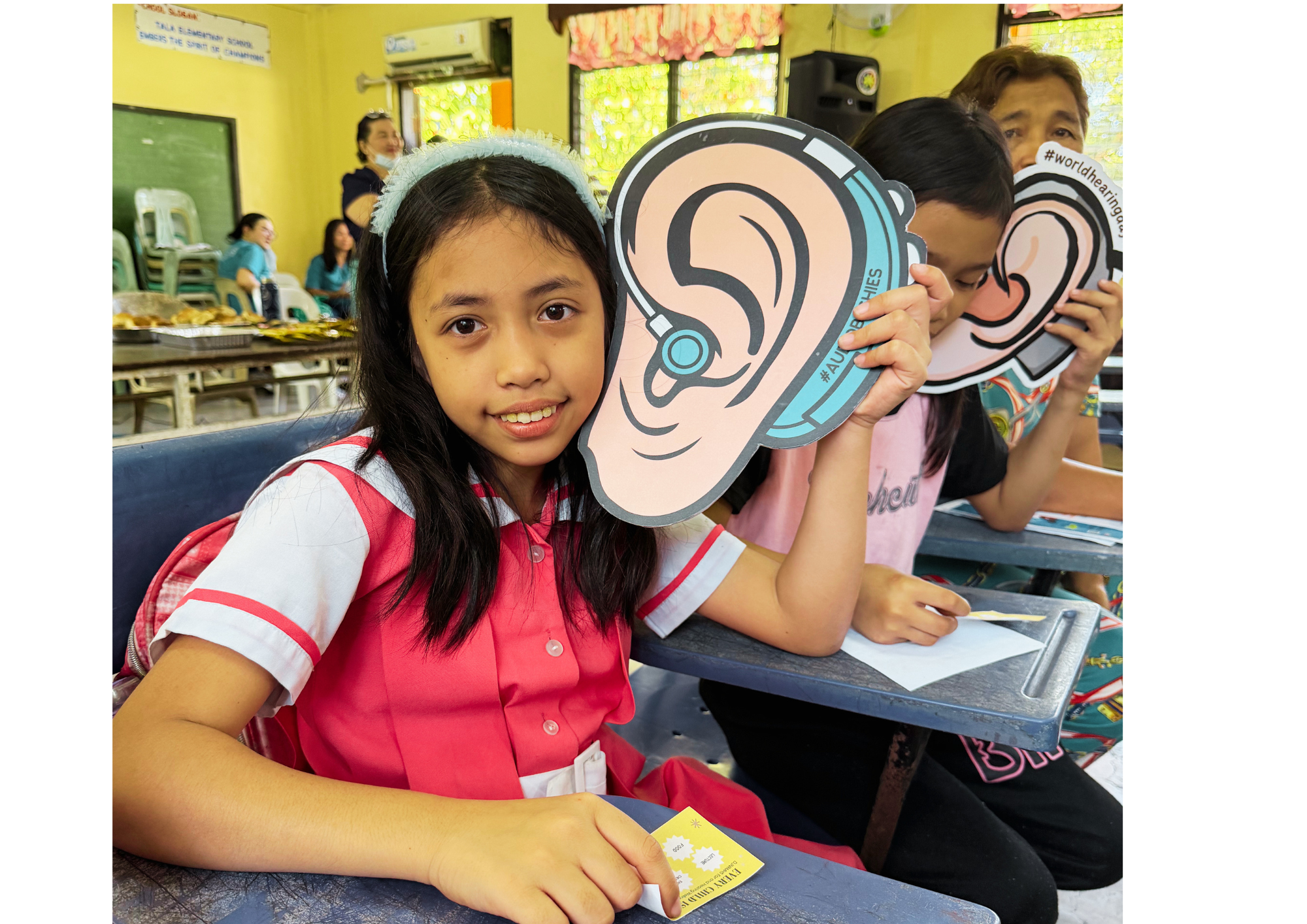
Tala school children shine with better hearing care!
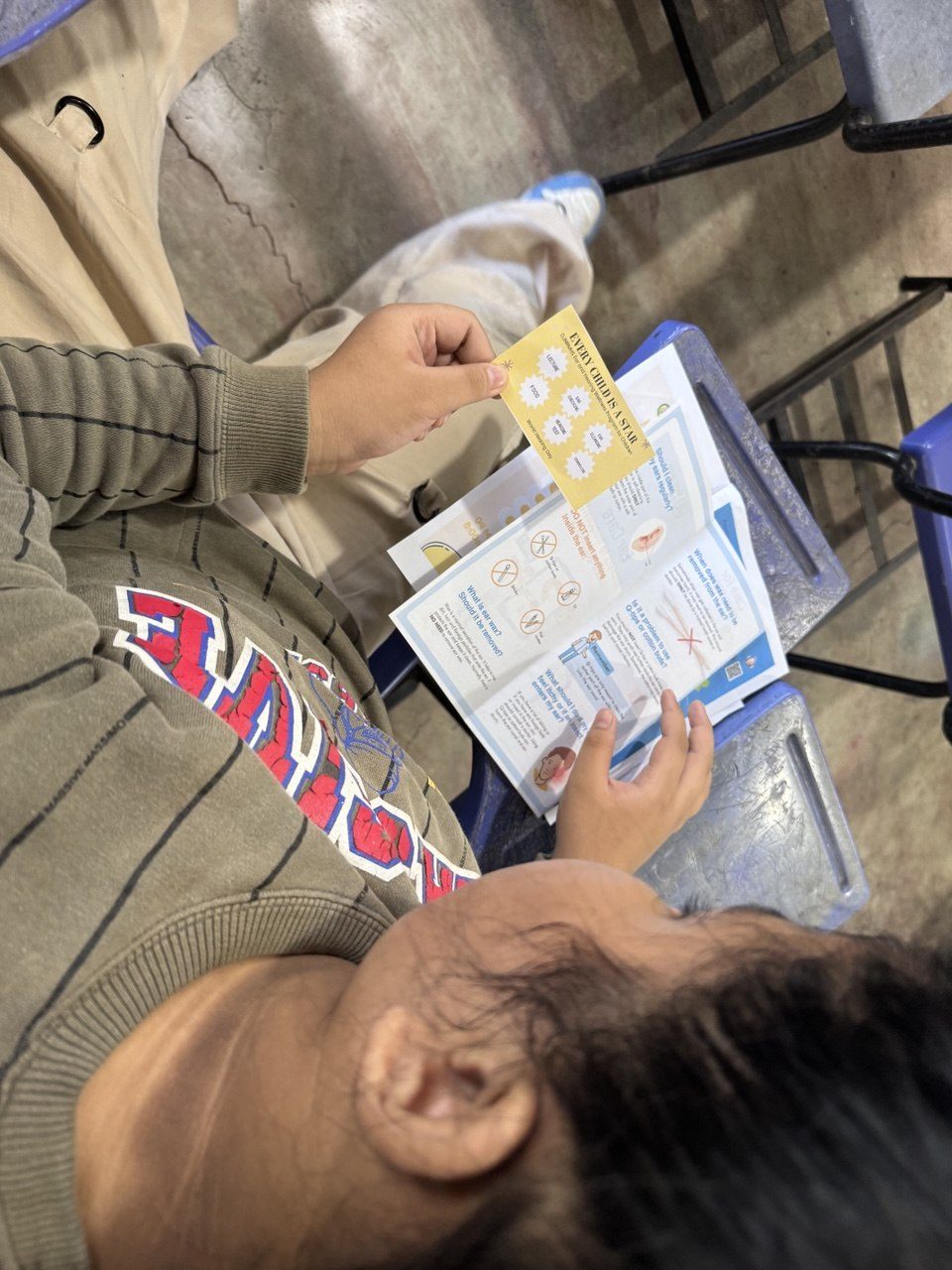
Excited Tala student with stamp card and materials
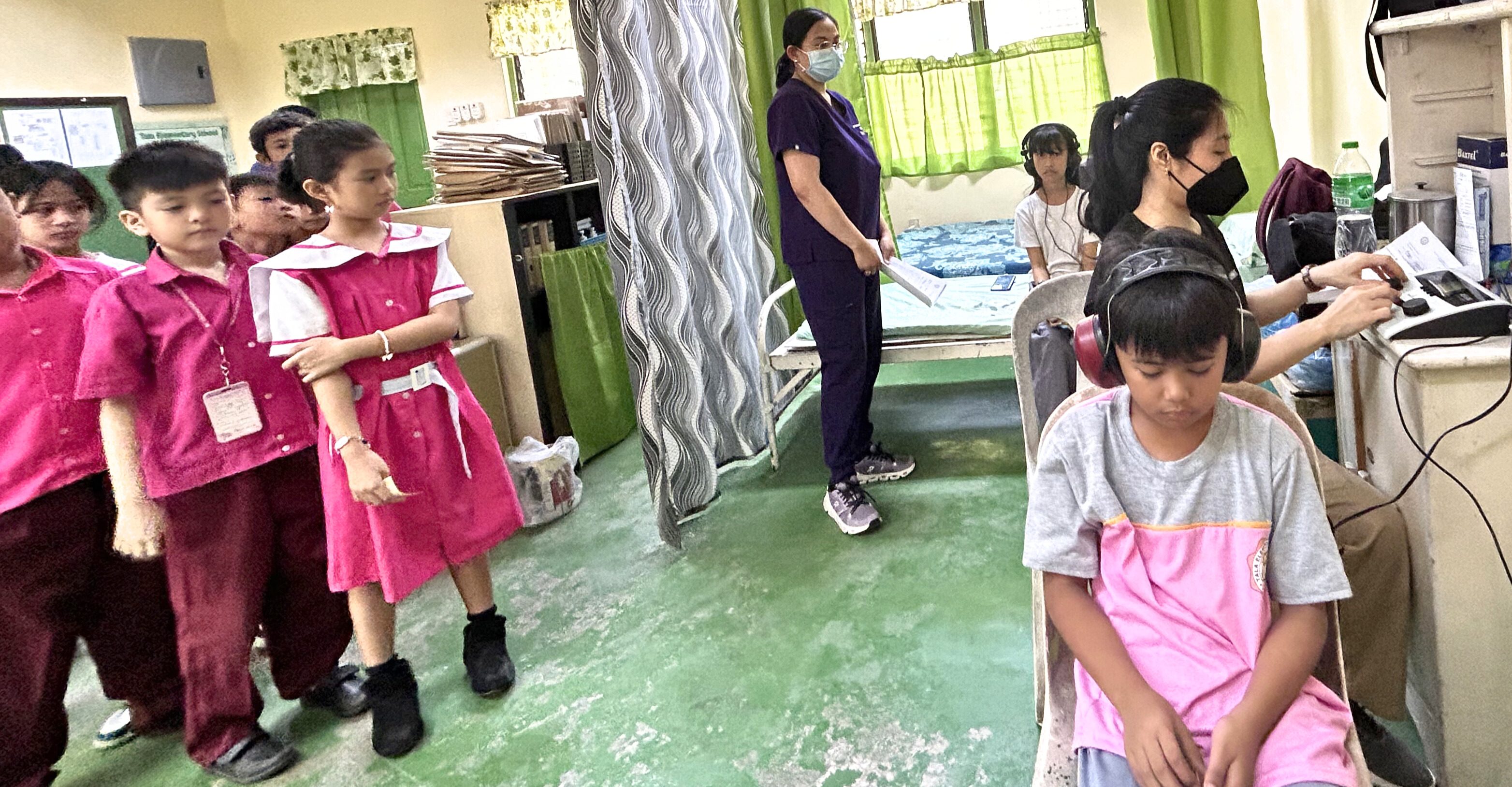
Tala school children eagerly line up for hearing screening
Types of Engagement:
Live event: Yes
Screening: Yes
Traditional media: Yes
Social media: Yes
Special needs populations: persons with disabilities (including hearing loss), children and adolescents, older adults
Met with individual policymaker: Yes
Participation of policy makers: Yes
Participation of influencers: Yes
WHO technical tool used: Yes
WHO educational and social media used: Yes