Organization: Tzu Chi Foundation Philippines
Title: Ears Open, Hearts Forward: Humanities Class & Charity Day for World Hearing Day 2026 Celebration
Al title (for format and translation – not permanent:
Ears open, hearts forward: Humanities class & charity day for World Hearing Day 2026 celebration
Description:
Nearly one year after the establishment of an ear and hearing center at the free clinic of the Buddhist Tzu Chi Campus in Sta. Mesa, Manila, the initiative has already benefited approximately 500 individuals with hearing impairment. The center provides diagnostic and counseling services using standard audiological tools, including audiometers and tympanometers, enabling accurate assessment of hearing conditions and appropriate recommendations for intervention.
A major milestone of the program has been the realization of a Hearing Aid Bank, envisioned to support indigent patients who otherwise would not have access to assistive hearing devices. In 2025, 374 patients received free hearing aids through donations from long‑time benefactors based in Australia, who have supported underserved communities across several countries in Asia. During their visit to the campus in August, they turned over additional hearing aids to strengthen the sustainability of the program and expand its reach.
Despite these gains, hearing loss remains a largely “invisible” disability, often overlooked because it lacks obvious physical signs. To address this gap in awareness, the organization marked World Hearing Month through an educational and advocacy event held on March 22 at the Jing Si Hall of the Buddhist Tzu Chi Campus. The activity was integrated into the eighth Humanities Class and the first Charity Day, and was attended by 289 scholars and 111 medical assistance beneficiaries.
The event aimed to increase understanding of the daily challenges faced by people with hearing impairment and to promote inclusive communication practices. Ear and hearing care professionals and a representative from a national hard‑of‑hearing advocacy group shared personal and professional insights on living with and supporting individuals with hearing loss. Interactive exercises were conducted to help participants experience common communication barriers, demonstrating how easily messages can be misunderstood when hearing is compromised.
The speakers emphasized that hearing loss has no definitive cure and, when left unaddressed, may contribute to social isolation, depression, low self‑esteem, and long‑term cognitive decline. Hearing was described as a critical gateway to brain function and information processing, underscoring the importance of early detection and intervention. Practical guidance was also shared on compassionate communication, such as maintaining eye contact, speaking clearly, using visual cues, and exercising patience, to help ensure that people with hearing impairment feel respected and included.
Following the educational session, free ear and hearing consultations were conducted at the campus clinic. Fifteen patients received individual assessments, including children with complex medical and developmental conditions. One pediatric patient, diagnosed with hearing impairment and multiple comorbidities, was fitted with a hearing aid and advised on further intervention options. Her family, facing significant financial and health challenges, expressed appreciation for the respectful and supportive care provided by clinic staff and volunteers.
The event concluded with additional humanities‑focused activities, including a talk on youth service and compassion, as well as advocacy chants created and performed by scholars and their parents. Overall, the World Hearing Month activities combined service delivery, education, and advocacy to raise awareness of hearing loss, promote early intervention, and reinforce the importance of inclusive and compassionate care for people with hearing impairment.
Primary site: WPR – Philippines
Region: WPR
Impactful Story:
During the Humanities Class & Charity Day for World Hearing Day 2026 Celebration at Tzu Chi Philippines, eight‑year‑old Crystal received life‑changing support through early hearing intervention. Diagnosed with hearing impairment and multiple developmental conditions, Crystal had limited communication and had stopped speech therapy due to financial constraints. Following free consultations, volunteer hearing care professionals recommended a cochlear implant and fitted her with a hearing aid, with continued follow‑up planned. This intervention improved Crystal’s access to sound and renewed her family’s hope. The World Hearing Day activity directly enabled early identification, treatment, and sustained hearing care for a vulnerable child.
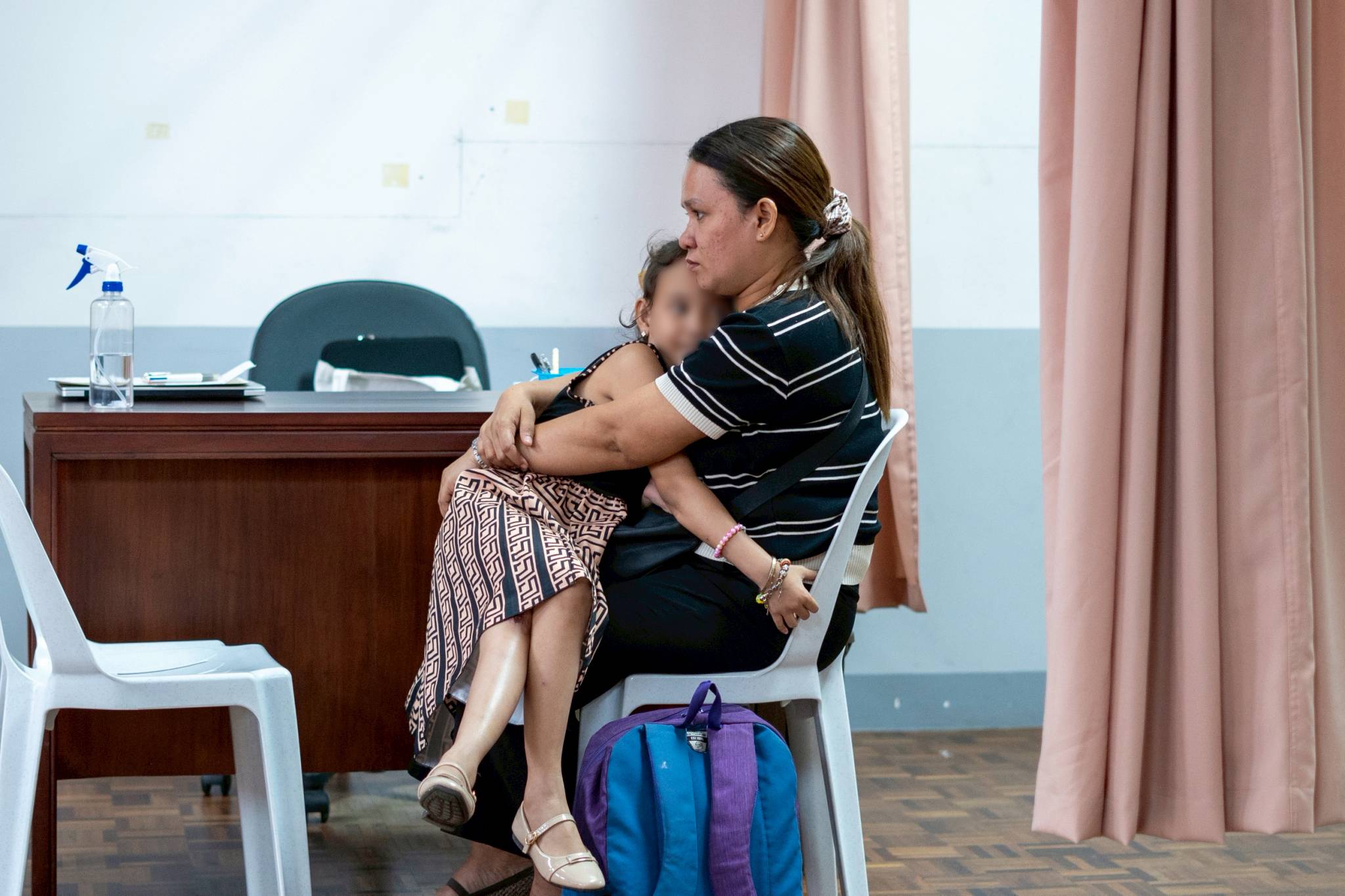
General Photos
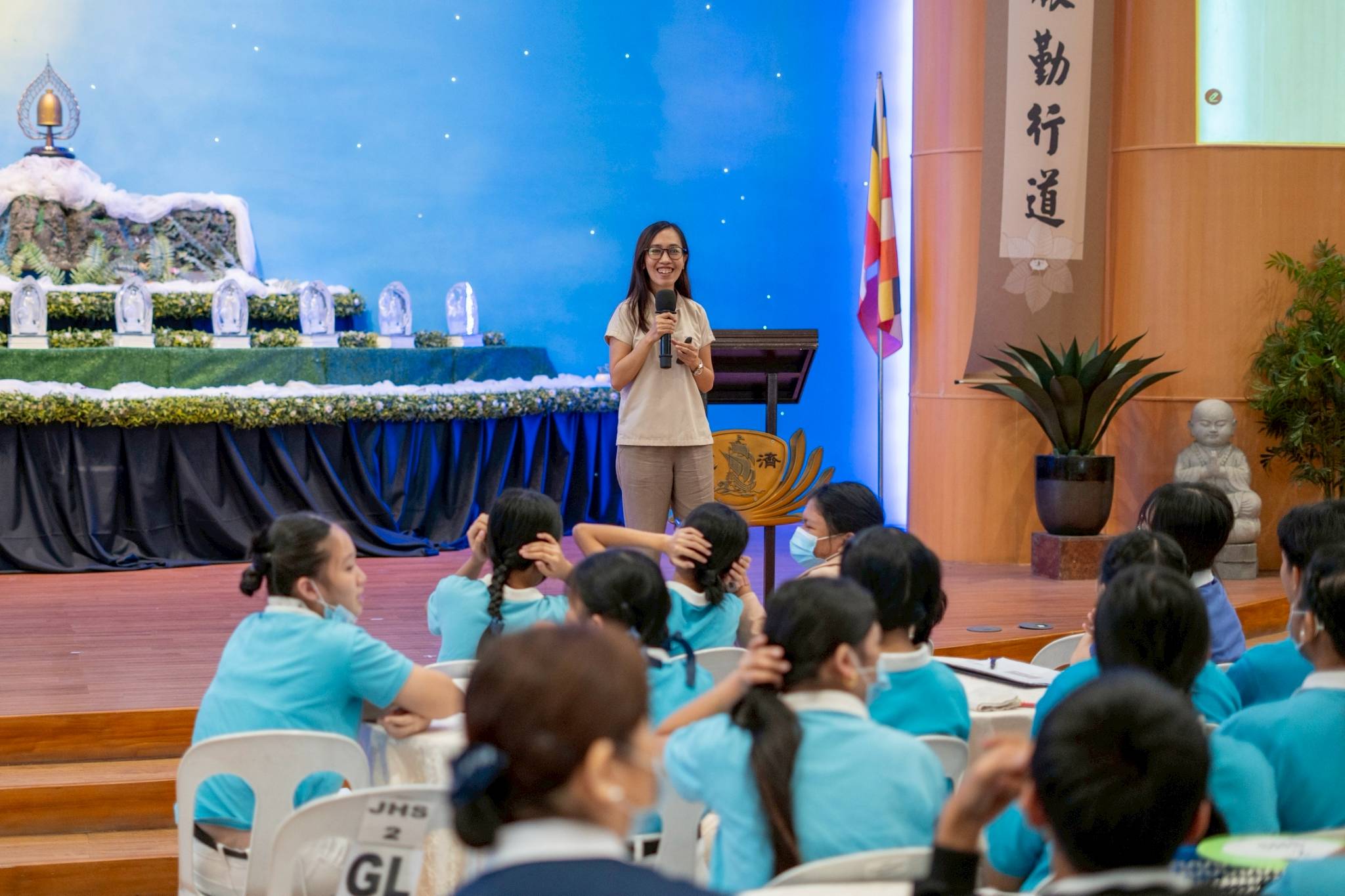
Scholars learning empathy through hearing loss simulation
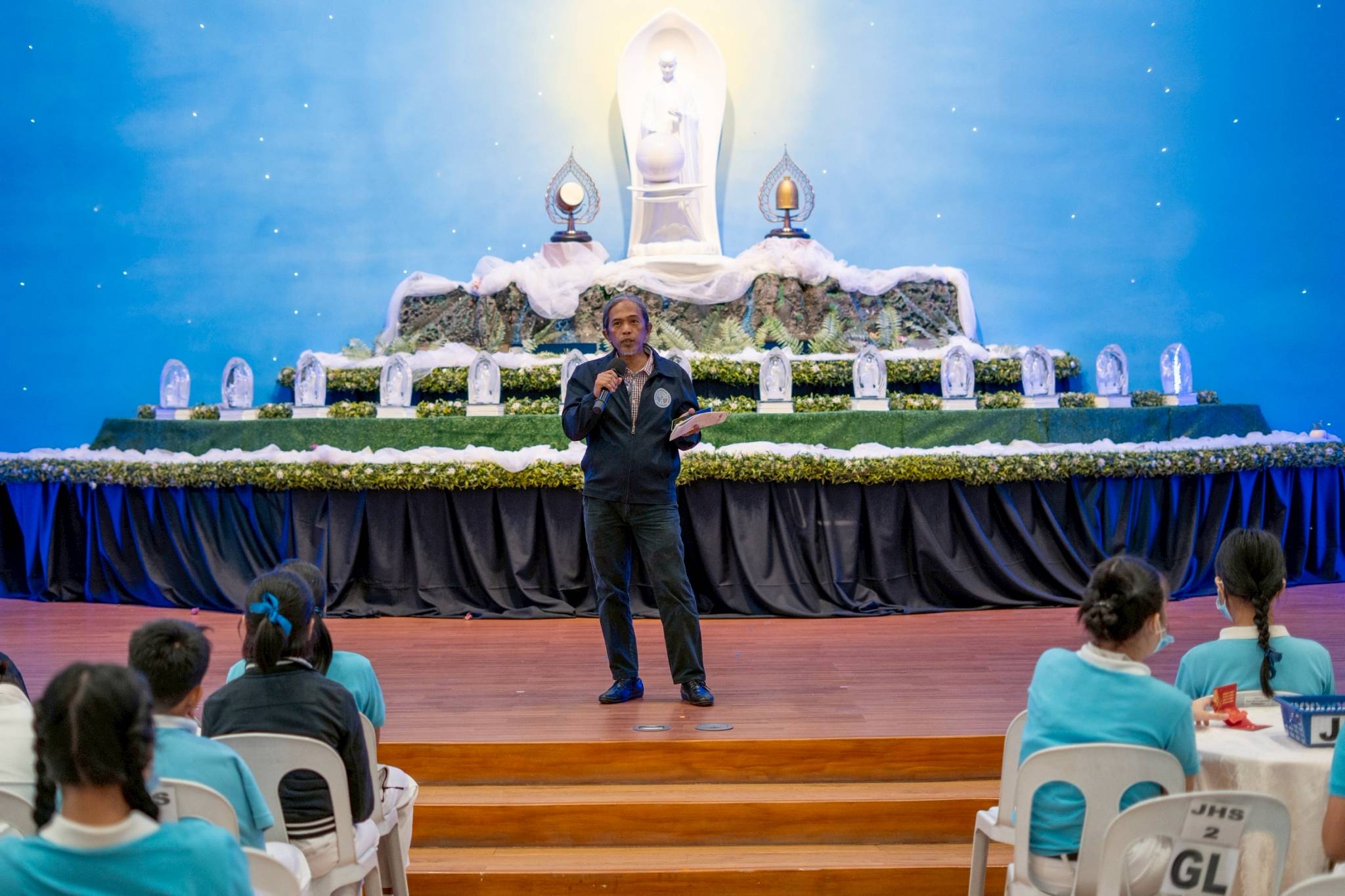
Advocating equitable and inclusive hearing care
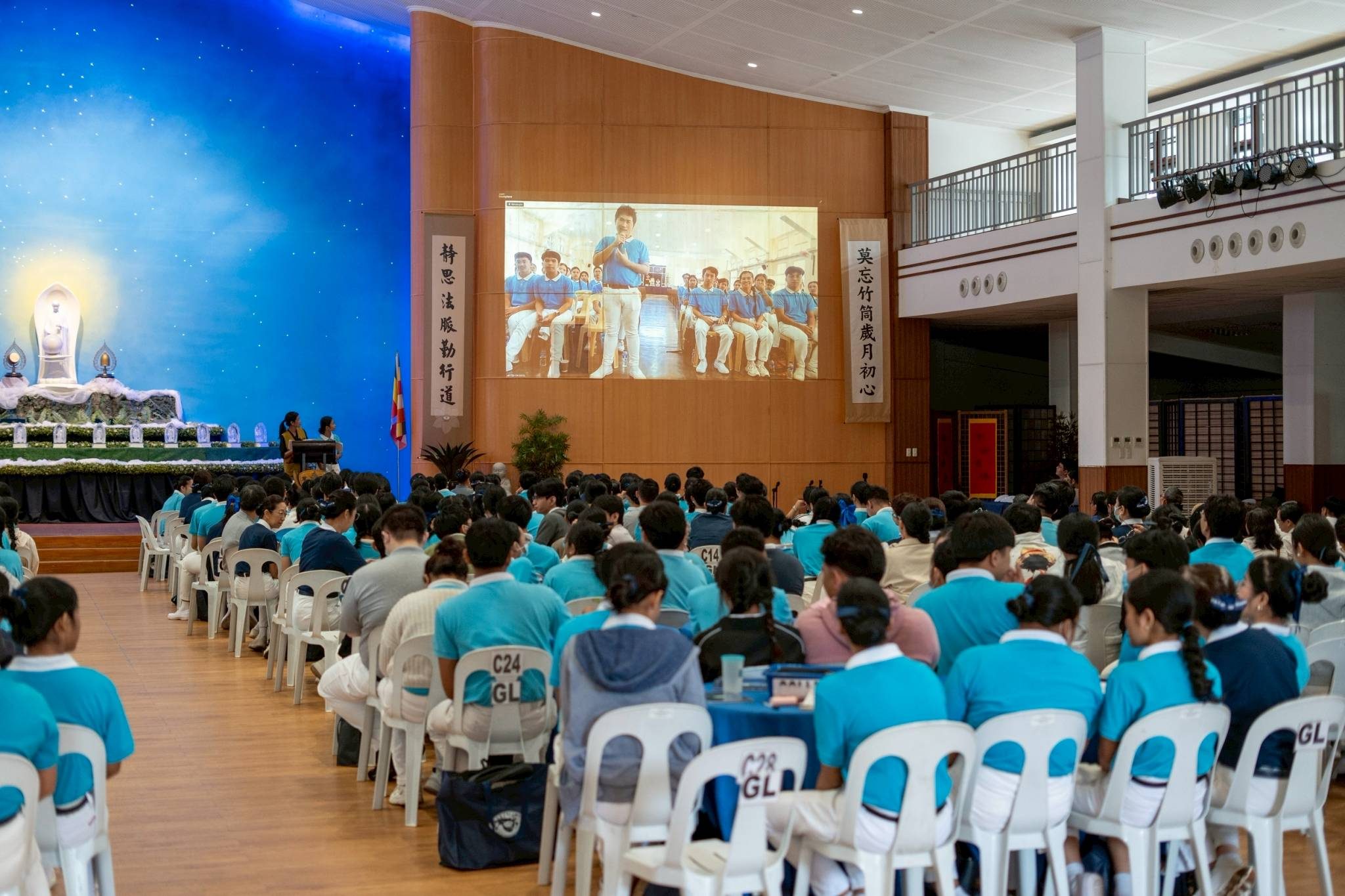
Scholars around the country join WHD event via livestream
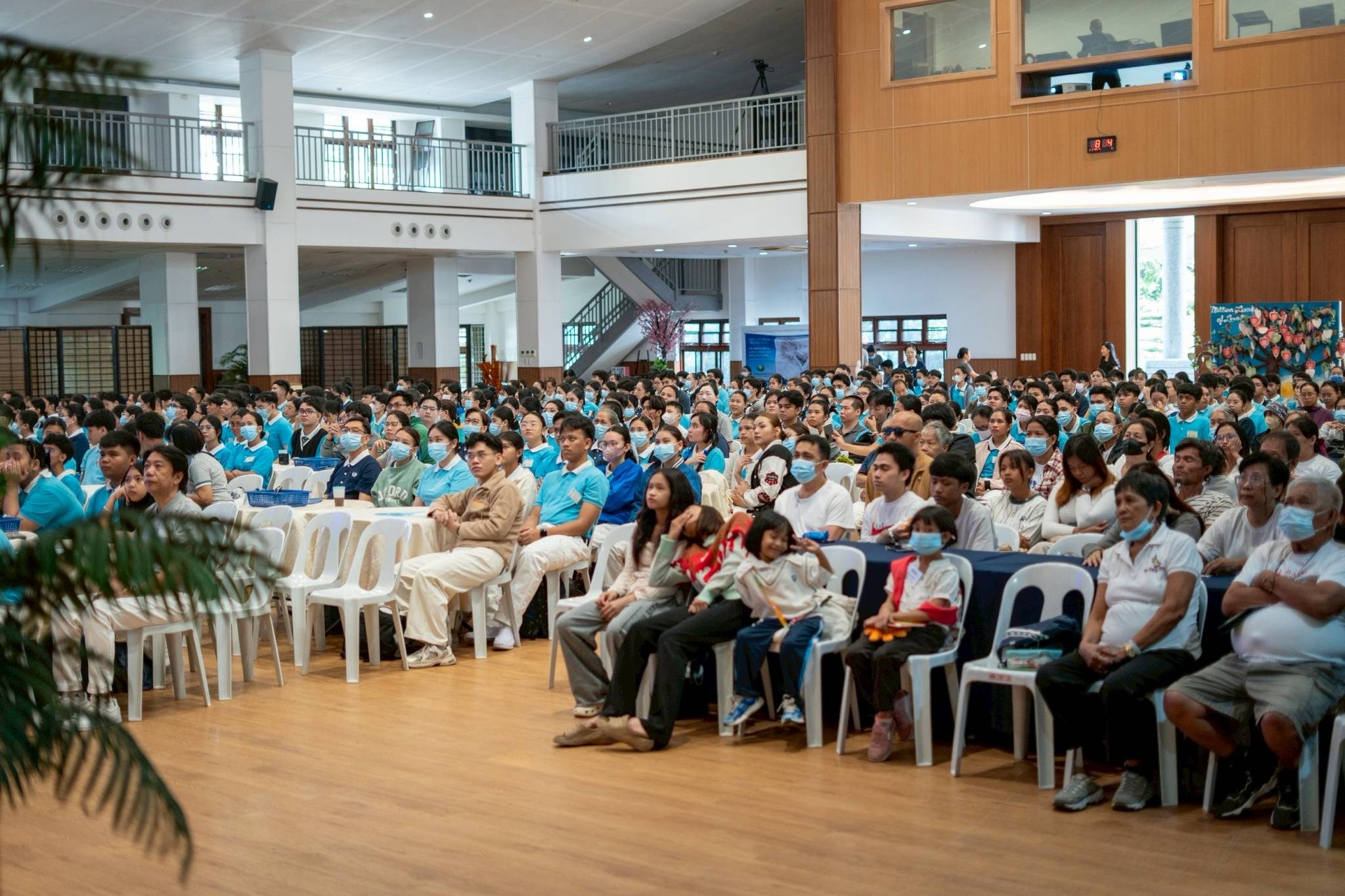
WHD 2026 celebration draws nearly 600 participants
Types of Engagement:
Live event: Yes
Screening: Yes
Traditional media: Yes
Social media: Yes
Special needs populations: persons with disabilities (including hearing loss), children and adolescents, older adults, indigenous communities, rural or remote population
Met with individual policymaker: No
Participation of policy makers: Yes
Participation of influencers: Yes
WHO technical tool used: Yes
WHO educational and social media used: Yes