Organization: Vision Health Care Foundation
Title: World Hearing Day 2026 Celebration at SMSS School, Karachi, Pakistan: Awareness, screening, and community engagement event in an underserved community
Al title (for format and translation – not permanent:
World Hearing Day 2026 celebration at SMSS School, Karachi, Pakistan: Awareness, screening, and community engagement event in an underserved community
Description:
The objective of the event was to raise awareness on hearing health among children, promote early identification and prevention of hearing loss, and highlight the importance of school-based hearing screening programs as part of integrated child health services.
1. Event Overview and Proceedings
The event commenced with the recitation of the Holy Quran, followed by formal proceedings.
Ms. Khadija Siddiqui delivered the welcome remarks, introducing the World Hearing Day 2026 theme and emphasizing early detection and community awareness.
Ms. Fatima Zehra, Program Director VHCF, provided an overview of the organization’s work in inclusive eye and hearing care. She highlighted ongoing school health programs in Karachi and Attock, integrated screening activities, and referral systems. She noted that over 79,000 children have been screened for eye conditions and more than 23,000 for hearing issues. She emphasized that screening must be followed by timely referrals, treatment, and follow-up for meaningful impact. She also acknowledged the support of K and Ns Foundation in strengthening inclusive health services.
Dr. Anjum Naveed, ENT Consultant and Board Member VHCF, emphasized that hearing loss is a largely preventable condition affecting children, particularly in low-resource settings. He noted that over 60% of childhood hearing loss can be prevented through simple public health measures. He stressed the importance of early diagnosis, especially within the first year of life, to prevent long-term impacts on speech, learning, and development. He highlighted diagnostic tools such as OAE and BERA and stressed the need for integrated screening for newborns and school children.
Mr. Waqas, Project Manager VHCF, presented the school hearing screening model in Karachi, explaining outreach strategies and referral pathways for identified cases.
Mr. Samson, Hearing Screener, shared field experiences and challenges. Children often showed fear during otoscopy, managed through reassurance and child-friendly communication. Teacher unavailability and limited history-taking were addressed through coordination and simplified questioning. Parental follow-up challenges were managed through counseling, while language barriers in madaris were addressed through local facilitators. These experiences highlighted the importance of adaptability in field implementation.
2. Awareness Activities
An awareness walk was conducted within the school, where students, teachers, and staff participated with banners aligned with the WHO theme, promoting hearing health awareness.
The awareness session engaged approximately 250 participants, including students, parents, and teachers. School leadership actively supported the event.
3. Screening and Service Delivery
Following the formal session, the ENT specialist and screening team conducted examinations and spot screenings.
A total of 625 children were screened for hearing issues, with 10 positive cases identified and referred for ENT consultation. All referred cases were examined at the school, ensuring immediate follow-up and service delivery.
Additionally, eye screening was conducted for 651 children. A total of 95 positive cases were identified, 86 spectacles were prescribed and distributed, and 9 cases were referred for secondary care.
4. Key Outcomes
The event improved awareness of hearing health, strengthened engagement with school stakeholders, reinforced early detection and referral systems, and provided on-site screening and immediate services for identified cases.
5. Key Takeaway
Hearing impairment in children significantly affects speech development, communication, and academic performance. Children with undetected hearing loss may appear inattentive or unresponsive in class, often leading to misinterpretation by teachers. The discussion also highlighted that untreated ear infections may cause discomfort and social challenges. Early identification—ideally within the first months of life—is critical to prevent long-term developmental and educational consequences.
6. Conclusion
The World Hearing Day 2026 celebration was successfully conducted, contributing to increased awareness and community engagement on hearing health. The event reinforced VHCF’s commitment to school-based health services and the importance of early detection and prevention of hearing loss among children.
Primary site: EMR – Pakistan
Region: EMR
Impactful Story:
Khizar Khalil, an 8-year-old Class 1 student from an under-resourced school in Karachi, was identified during VHCF’s school health screening under World Hearing Day 2026 activities. He was found to have reduced hearing in one ear, with signs of ear infection including discharge and foul smell. He was promptly referred and examined by Dr. Anjum Naveed, ENT specialist during the school camp, where otoscopy confirmed Otitis Media. He was treated with medication and ear drops, and his parents were counseled on care and follow-up. Timely screening and on-site management prevented complications, highlighting the importance of early detection in underserved communities.
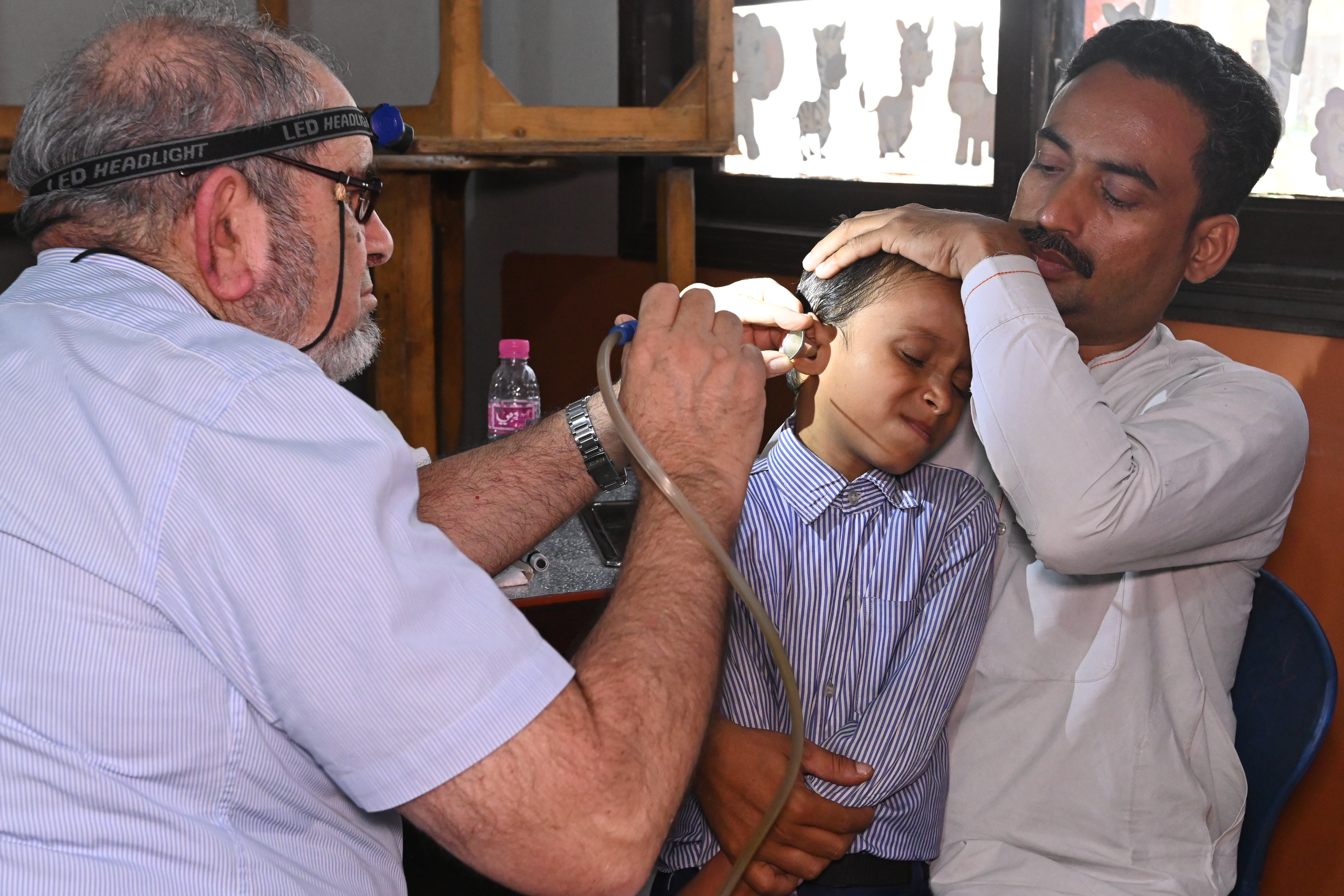
General Photos
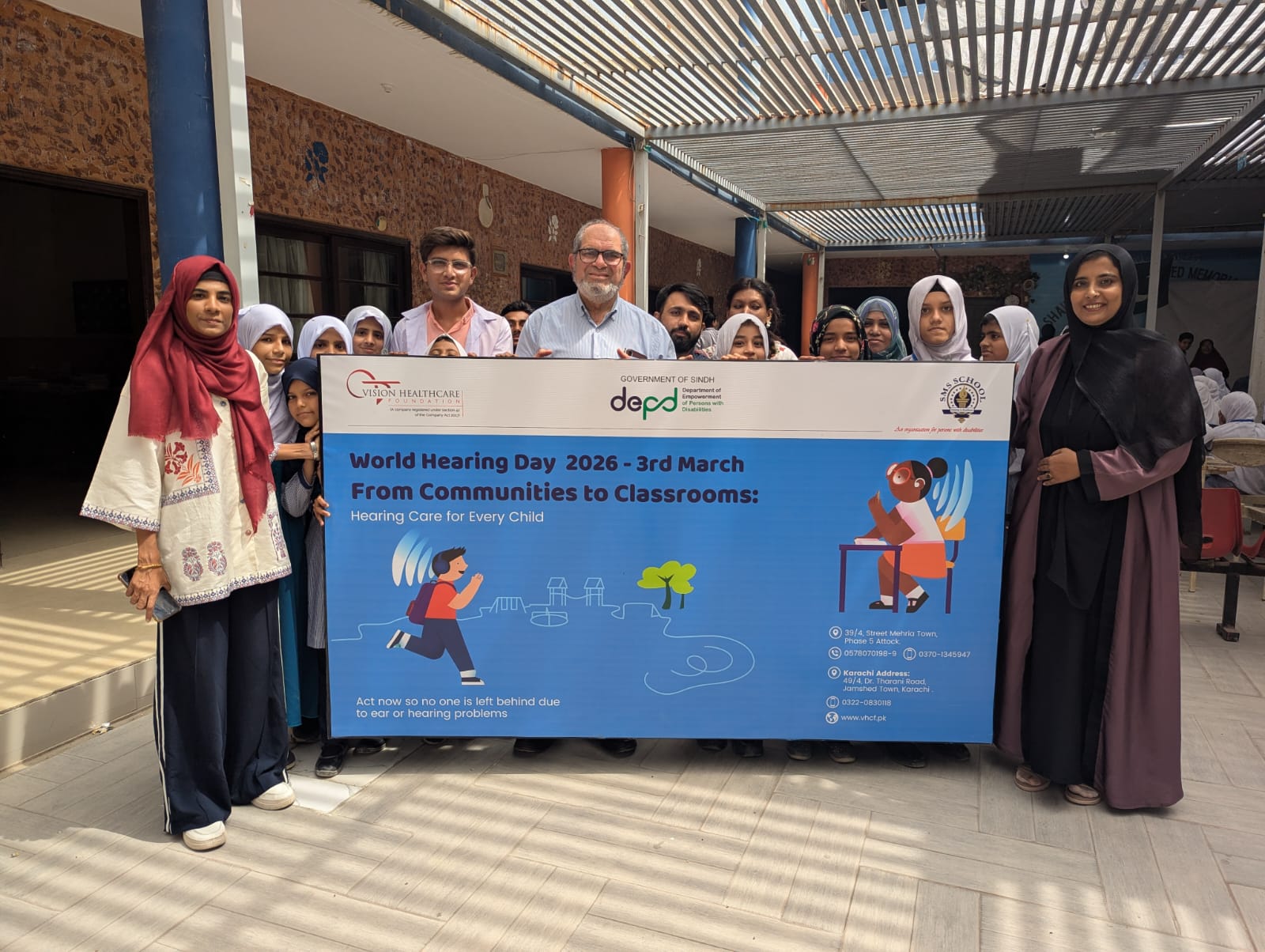
VHCF team with students during awareness walk at school
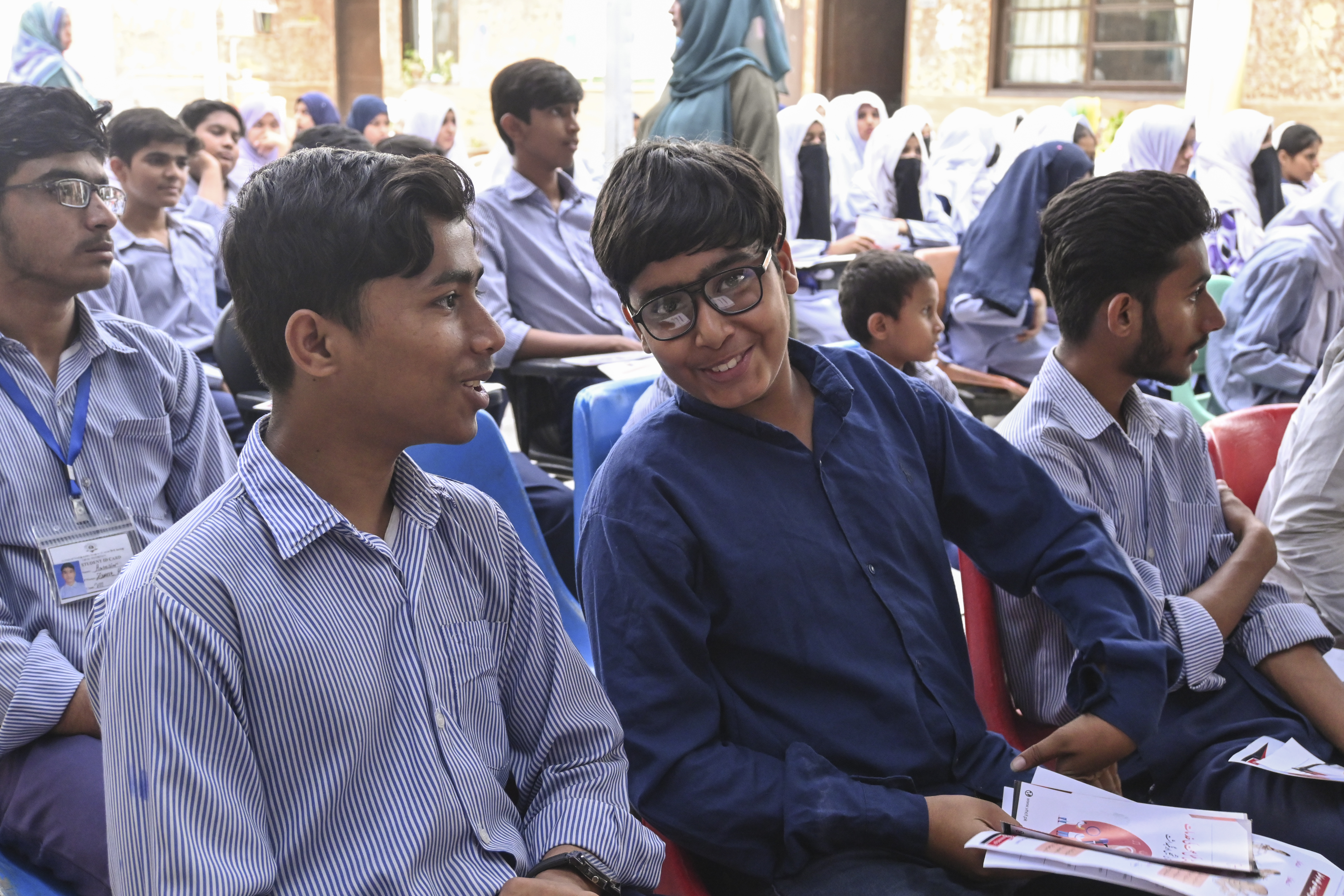
Children excitedly attended the WHD awarenes session
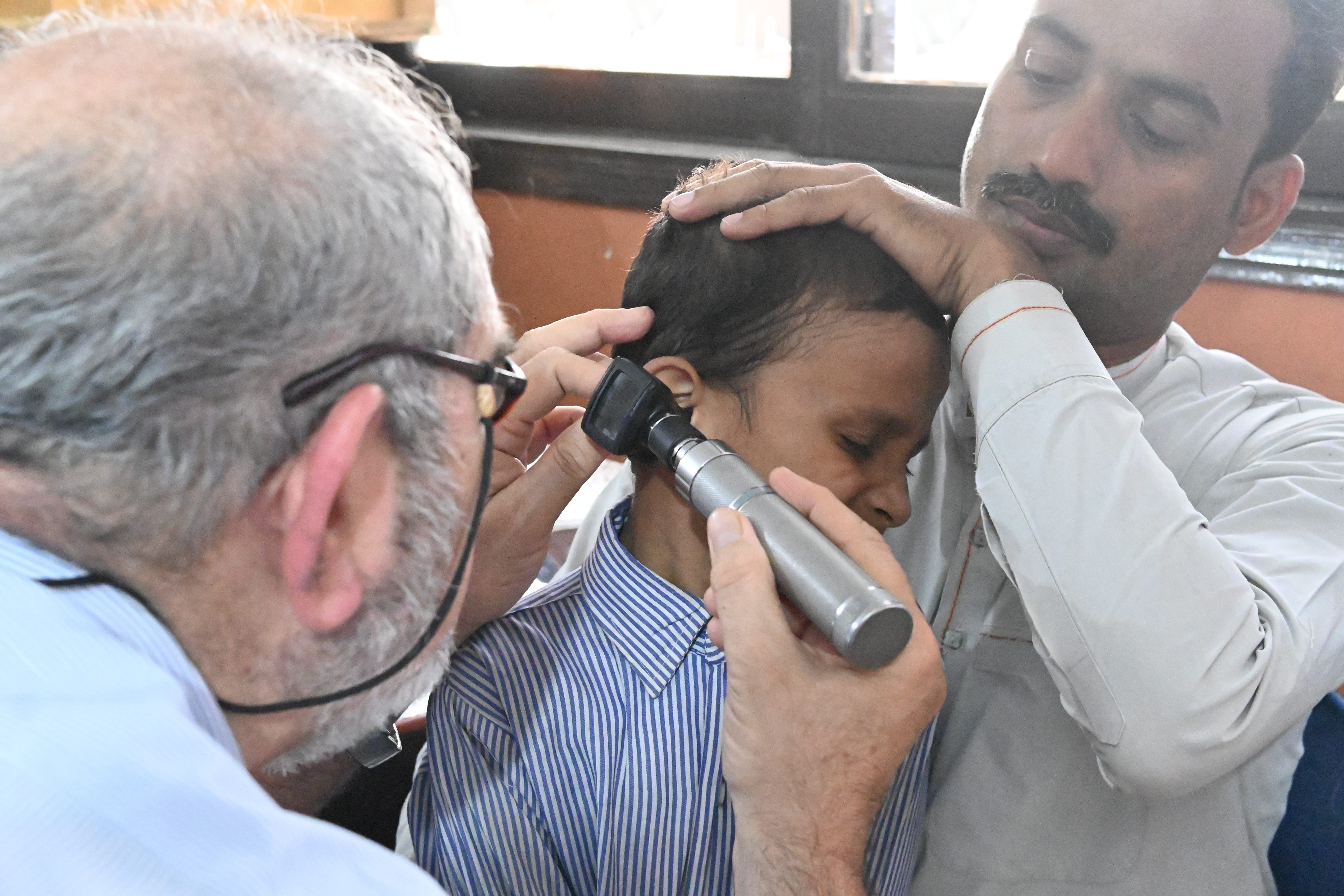
On spot screening and check up by Dr Anjum, ENT Surgeon
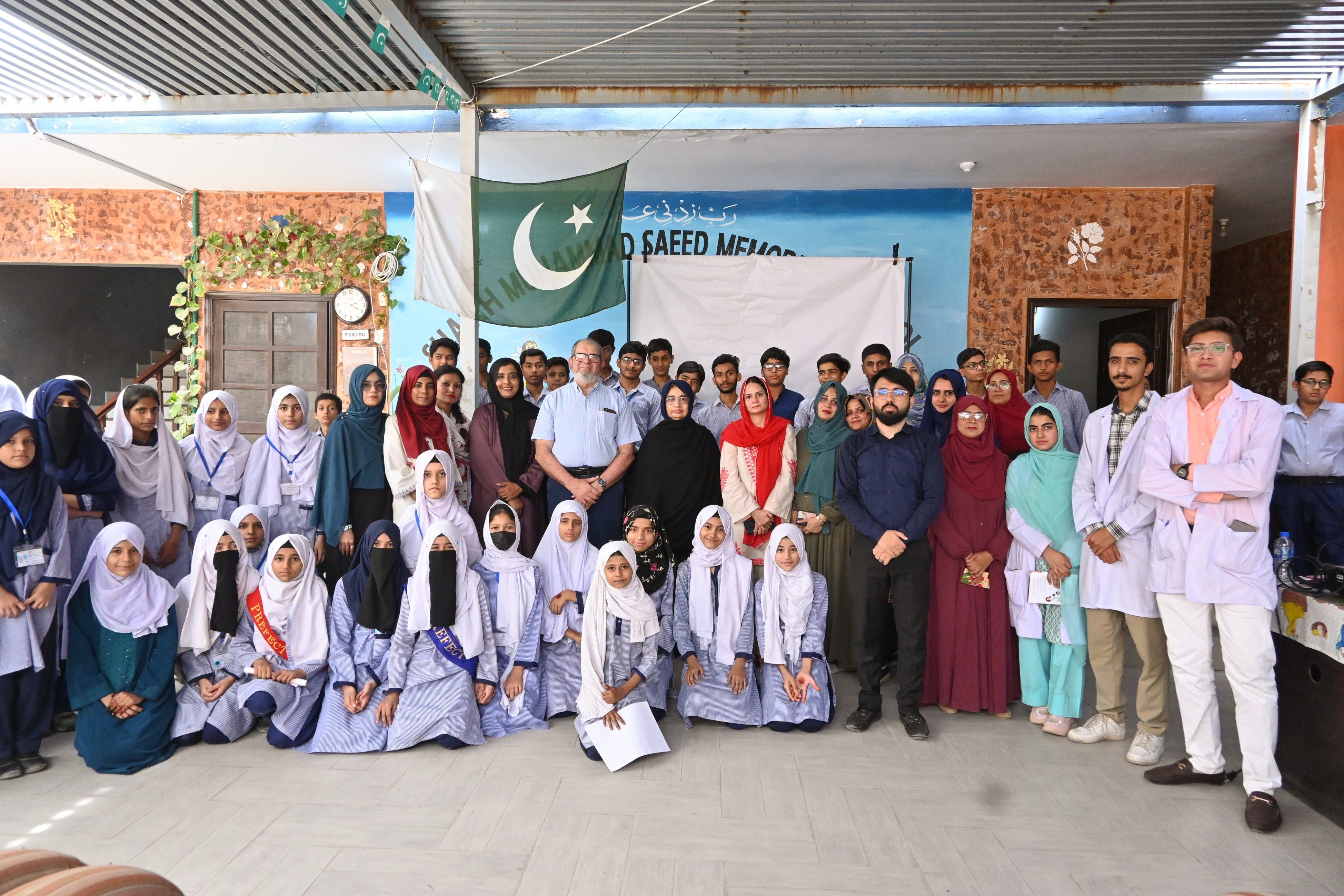
group photo with all participants
Types of Engagement:
Live event: No
Screening: Yes
Traditional media: No
Social media: Yes
Special needs populations: children and adolescents, older adults, rural or remote population
Met with individual policymaker: No
Participation of policy makers: No
Participation of influencers: No
WHO technical tool used: Yes
WHO educational and social media used: No