Organization: HANDS Welfare Foundation
Title: World Hearing Day: Engaging Youth in Ear and Hearing Care Awareness
Al title (for format and translation – not permanent:
World Hearing Day: Engaging youth in ear and hearing care awareness
Description:
On World Hearing Day (WHD), the HANDS Welfare Foundation, in collaboration with DANISHKADAH and AUDIOREB, organized an awareness session and hearing assessment camp at GHSS School. Approximately 70 students and their teachers attended the session. World Health Organization (WHO) and World Hearing Forum (WHF) materials were used to raise awareness regarding ear and hearing care.
A quiz was conducted based on the “Changing mindsets about hearing loss and ear care.” The results showed that the majority of participants were unaware of the realities of ear and hearing care. For example, all participants believed that ears should be cleaned regularly, that cotton buds are useful for cleaning, and majority believe that home remedies are effective. These results prove that such sessions and materials are essential for raising awareness about proper ear care.
Due to time constraints, we could not screen every student; however, several students were identified as having hearing issues. School staff members were also screened, and it was found that some had significant hearing difficulties. All affected individuals were referred to ENT specialists or for further audiological testing.
HANDS Welfare Foundation manages 20 EMO schools and 93 other schools across Pakistan, and we are planning screening camps for all students and their nearby communities. We welcome local and international partners to join us in improving access to hearing health and assistive devices, particularly in the rural areas of Pakistan.
Primary site: EMR – Pakistan
Region: EMR
General Photos
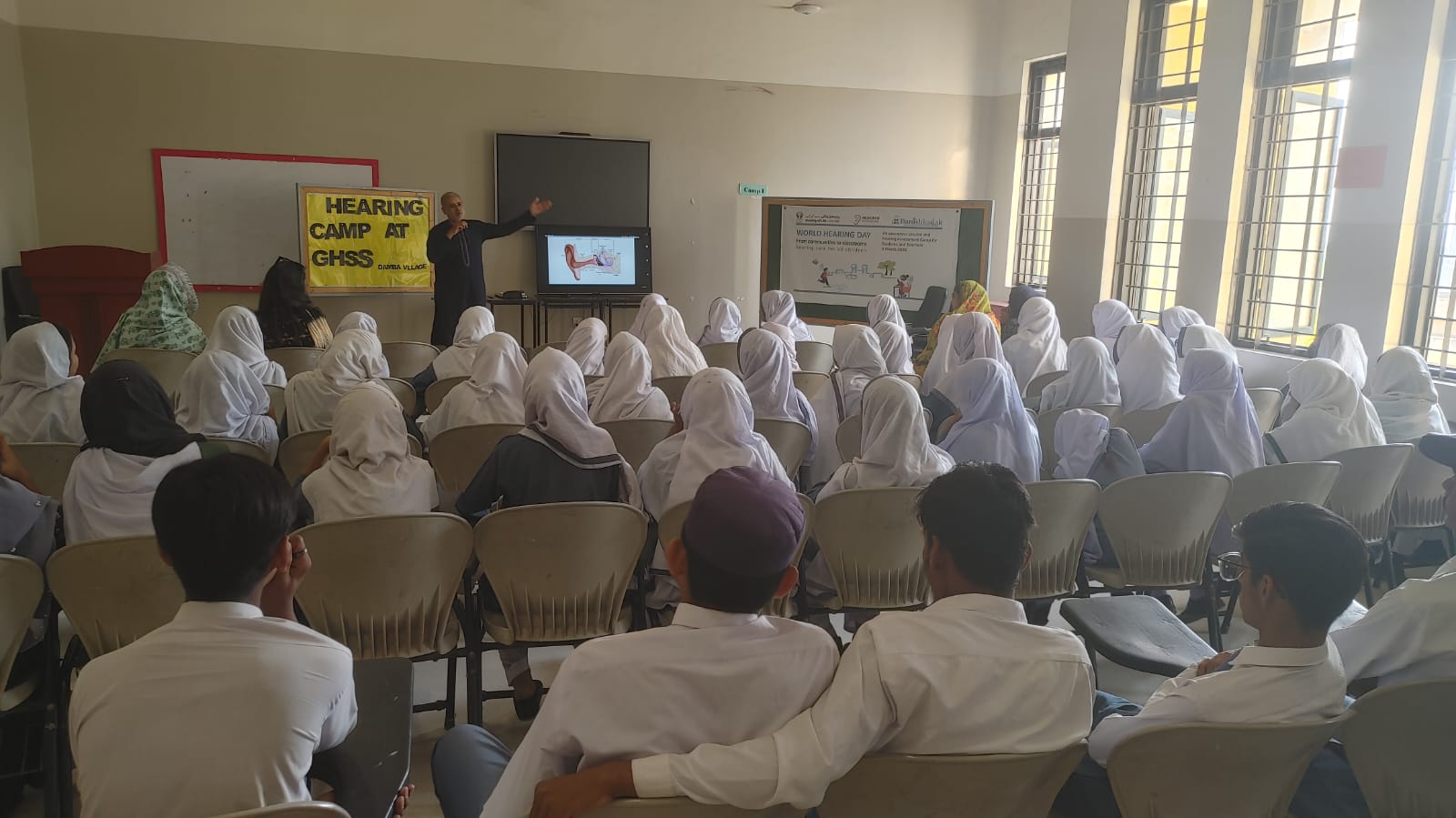
Engaging Youth in Ear and Hearing Care Awareness
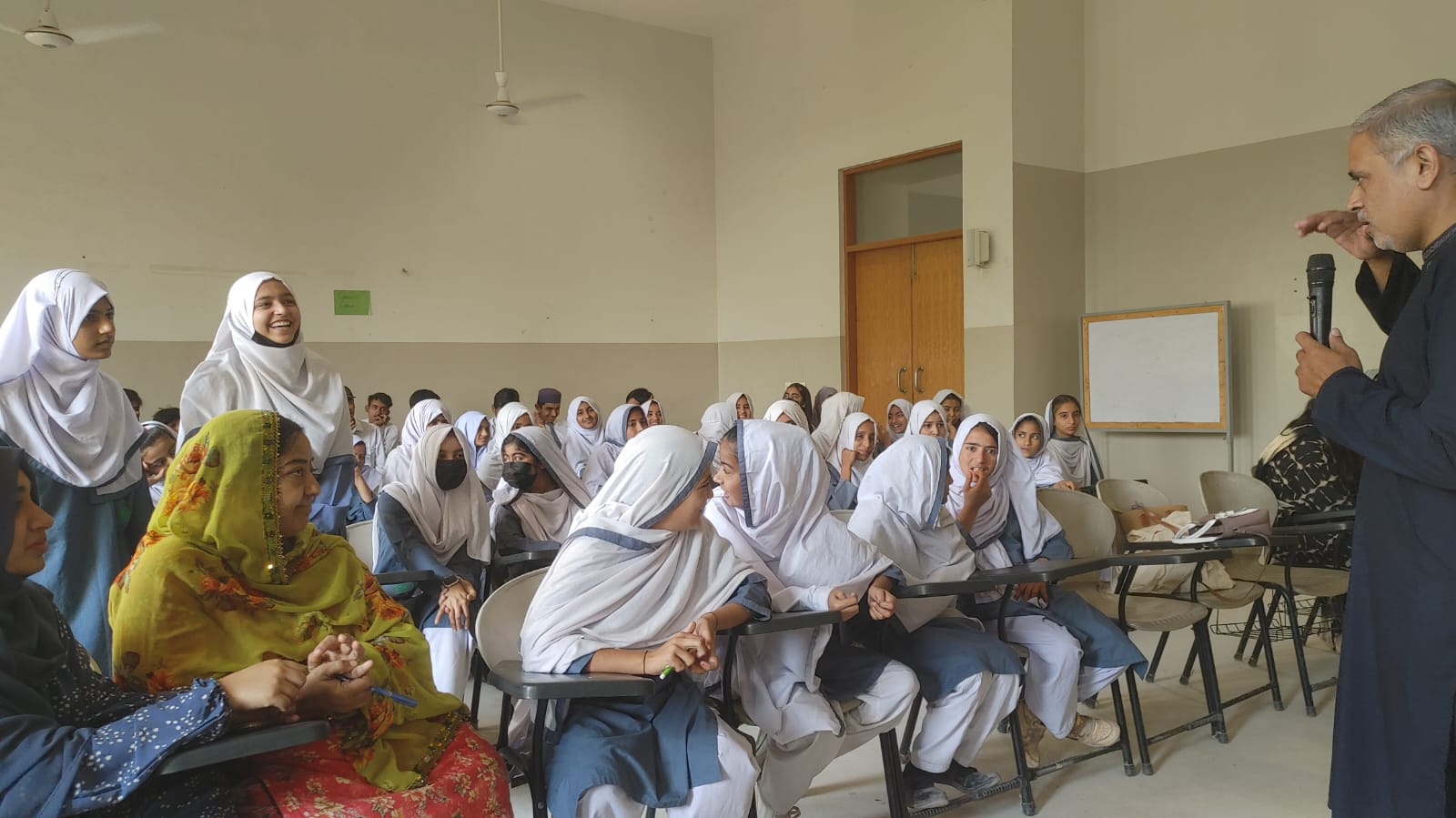
Students asking question regarding Ear and Hearing Care
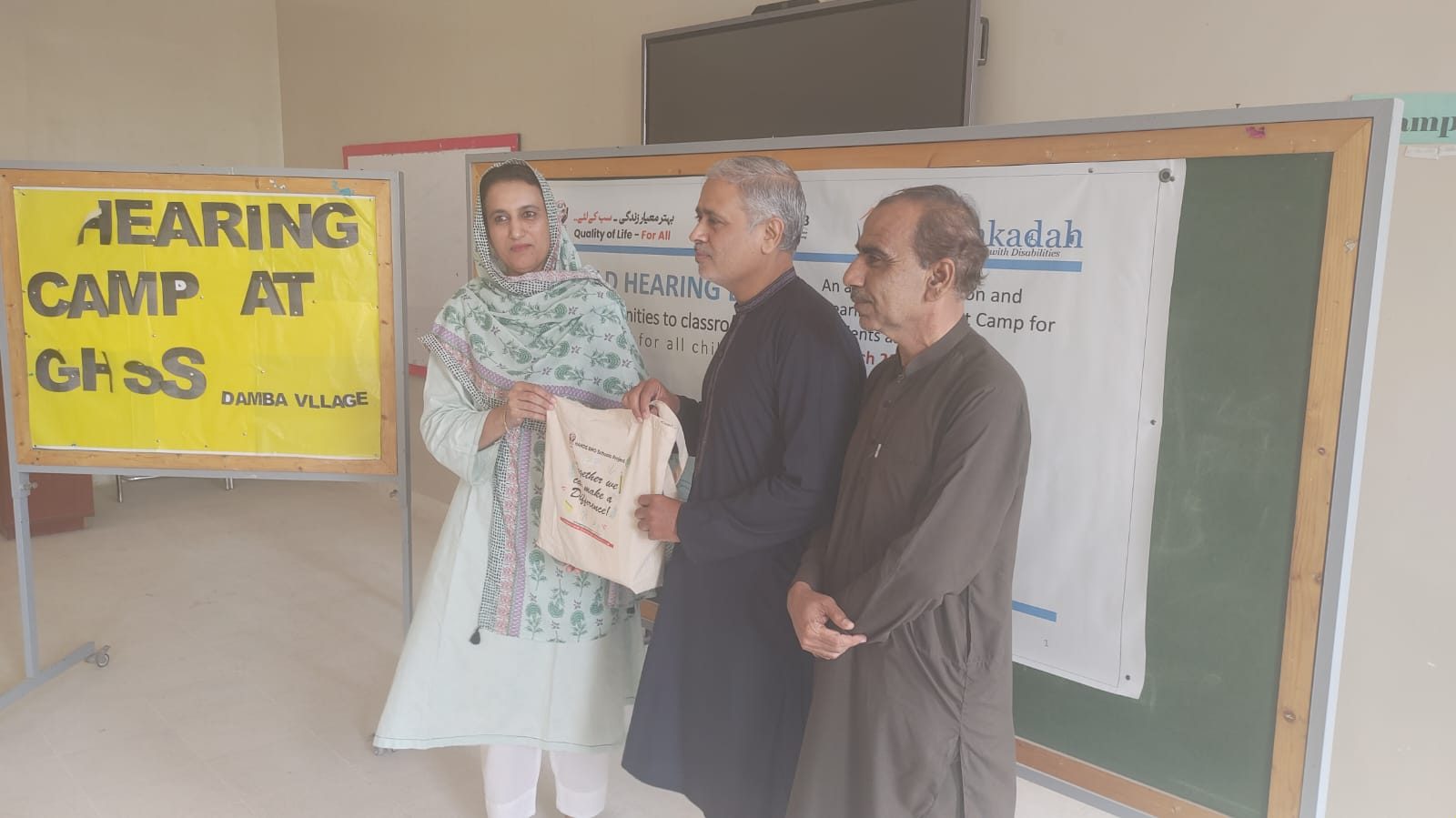
School Management with Guest Speaker Dr. Aqeelur Rehman
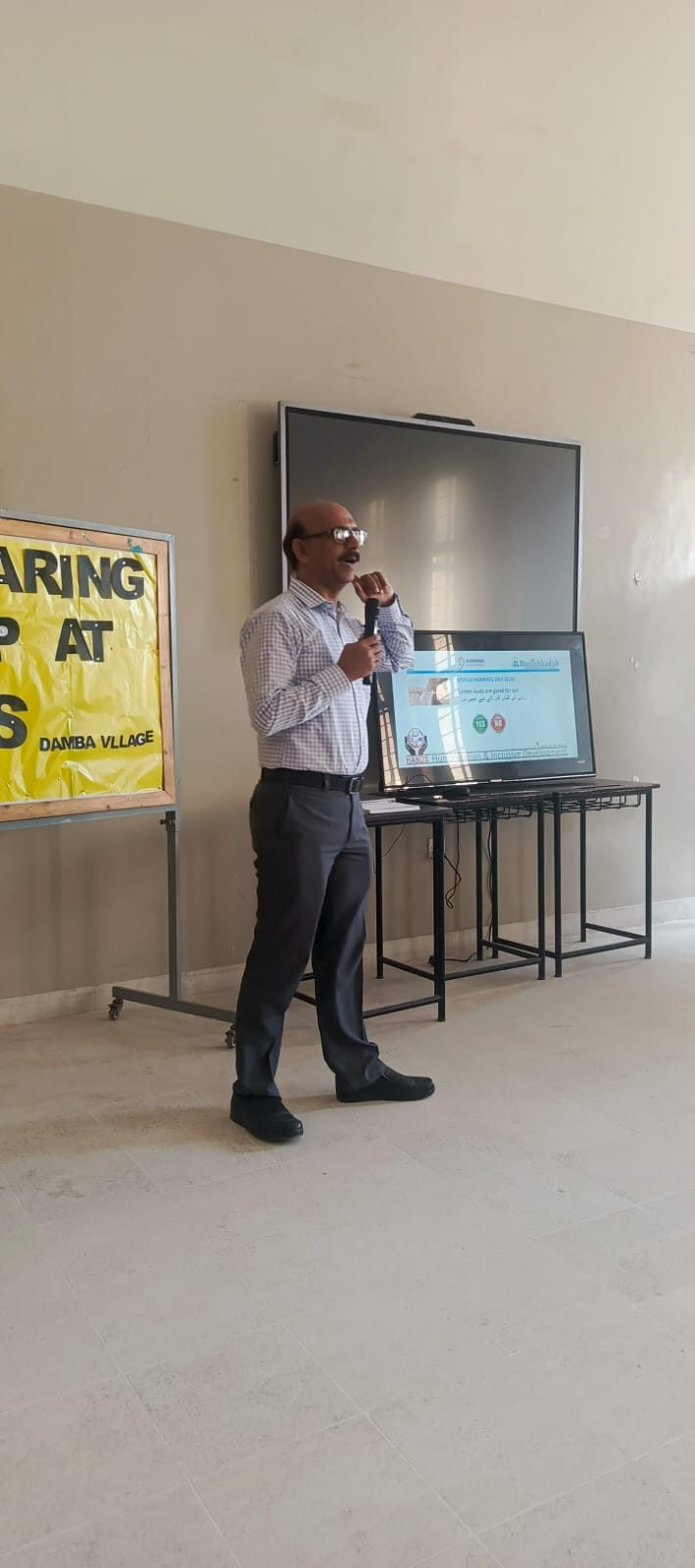
Hearing Loss Quiz: Changing the mindset – Myth and Reality
Types of Engagement:
Live event: Yes
Screening: Yes
Traditional media: No
Social media: Yes
Special needs populations: children and adolescents
Met with individual policymaker: No
Participation of policy makers: No
Participation of influencers: No
WHO technical tool used: Yes
WHO educational and social media used: Yes